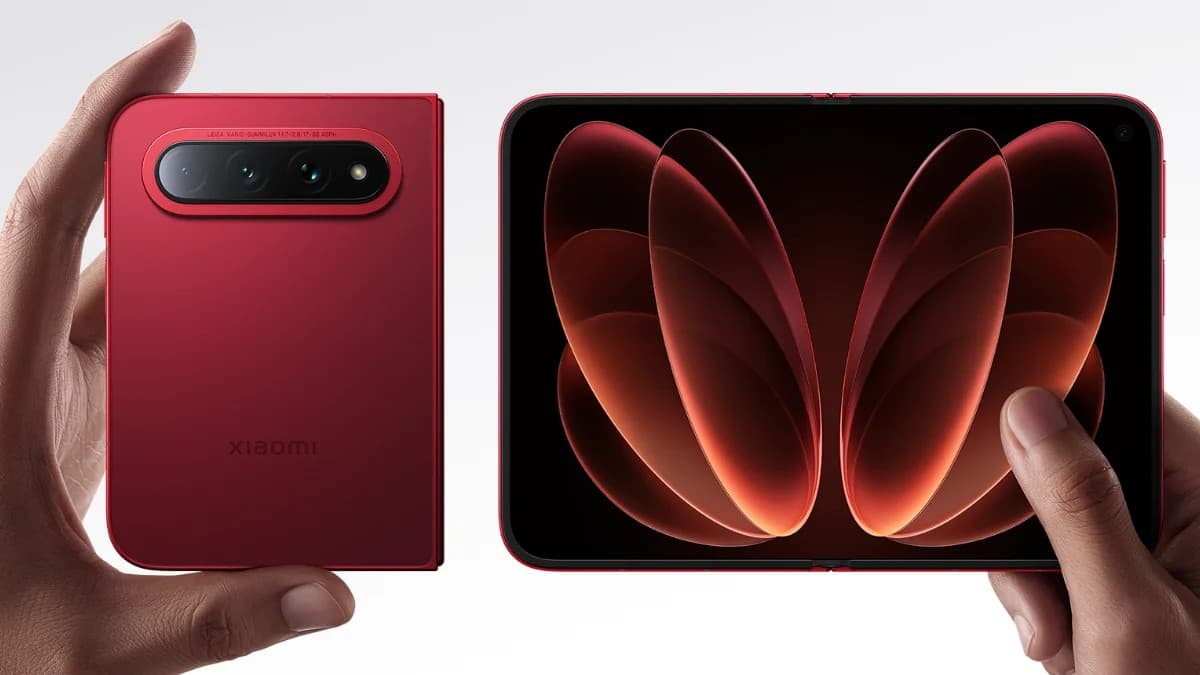
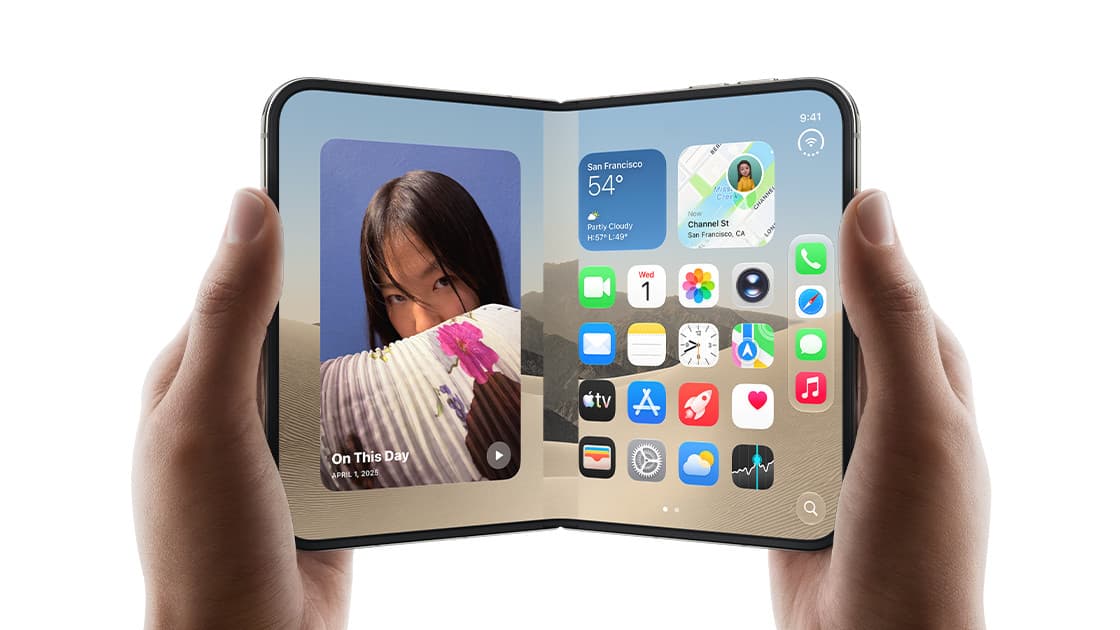
Xiaomi has launched the Xiaomi 18 Fold in China, and it is a first twice over: the company's first wide-style foldable, and the first flagship phone built around XRING O3, Xiaomi's own silicon instead of a Qualcomm or MediaTek chip. Pre-orders opened at launch on September 7, with sales starting September 10 at 10 a.m. China time — and the timing is no accident, coming two days before Apple's September 9 event, where Apple is widely expected to show its own first foldable.
XRING O3: Xiaomi's declaration of chip independence
The headline component is not the hinge but the processor. The XRING O3 pairs a 10-core CPU with a 16-core GPU and a neural processing unit (NPU — the chip section that handles AI tasks) built on Xiaomi's own large-model architecture, per SoyaCincau's launch coverage. Shipping its own flagship chip in its most premium form factor is Xiaomi following the Apple playbook: own the silicon, own the experience. Android Authority notes the launch also lets Xiaomi beat Apple to market in the wide-foldable segment it is about to enter.
A "mid-fold" between book and flip
The 18 Fold takes an unusual middle path. Unfolded, it offers a 7.58-inch flexible AMOLED at 2364 x 1672 pixels; closed, a 5.38-inch cover screen at 1712 x 1168. Both run at 120Hz and reach a claimed 4,000 nits of peak brightness. The body measures 5.02mm unfolded and 10.68mm folded, at 219 grams — lighter and squatter than a typical book-style foldable, which is why some coverage calls the shape a "mid-fold."
The camera setup is rare for a foldable of this size: a full Leica-tuned triple system with a 200MP main sensor (f/1.7, with optical image stabilization), a 50MP periscope telephoto with 3.5x optical zoom, and a 50MP ultrawide, plus a 16MP front camera. Video tops out at 8K 24fps.
Power comes from a 6,000mAh battery using 20 percent silicon content — large for a foldable — with 67W wired and 50W wireless charging. Colors at launch include red, black, white, and warm gold, plus a ceramic special edition.
Xiaomi 18 Fold pricing in China
| Variant | China price | Approx. Philippine peso |
|---|
| 12GB + 256GB | ¥10,999 | around ₱102,500 |
| 12GB + 512GB | ¥11,999 | around ₱111,900 |
| 16GB + 512GB | ¥12,999 | around ₱121,200 |
| 16GB + 1TB (LPDDR6) | ¥14,999 | around ₱139,800 |
| 16GB + 1TB Ceramic Special Edition | ¥15,999 | around ₱149,100 |
Only the 1TB models use the newer LPDDR6 memory; the rest pair LPDDR5X with UFS 4.1 storage. Peso figures are conversions, not official prices.
Will the Xiaomi 18 Fold reach the Philippines?
Not yet, and possibly not at all in this generation: Xiaomi has confirmed availability only for mainland China, with no word on an international release. Xiaomi's foldable track record outside China has been inconsistent, so Filipino buyers should treat this as a China-first device until the company says otherwise.
The local foldable market it would enter is getting crowded anyway. HONOR's Magic V6 launched in the Philippines in August, Huawei's tri-fold Mate XT 2 opened pre-orders here in early September, and Samsung is tipped to ship five foldables in 2027. What the 18 Fold changes today is the conversation: with Apple's foldable expected within days, the wide-foldable race now has a Chinese flagship running on Chinese silicon at a price well under Apple's rumored tier. If Xiaomi does bring it here, the converted ₱102,500 starting point would undercut most big-screen foldables currently sold in the Philippines — but that remains an "if."