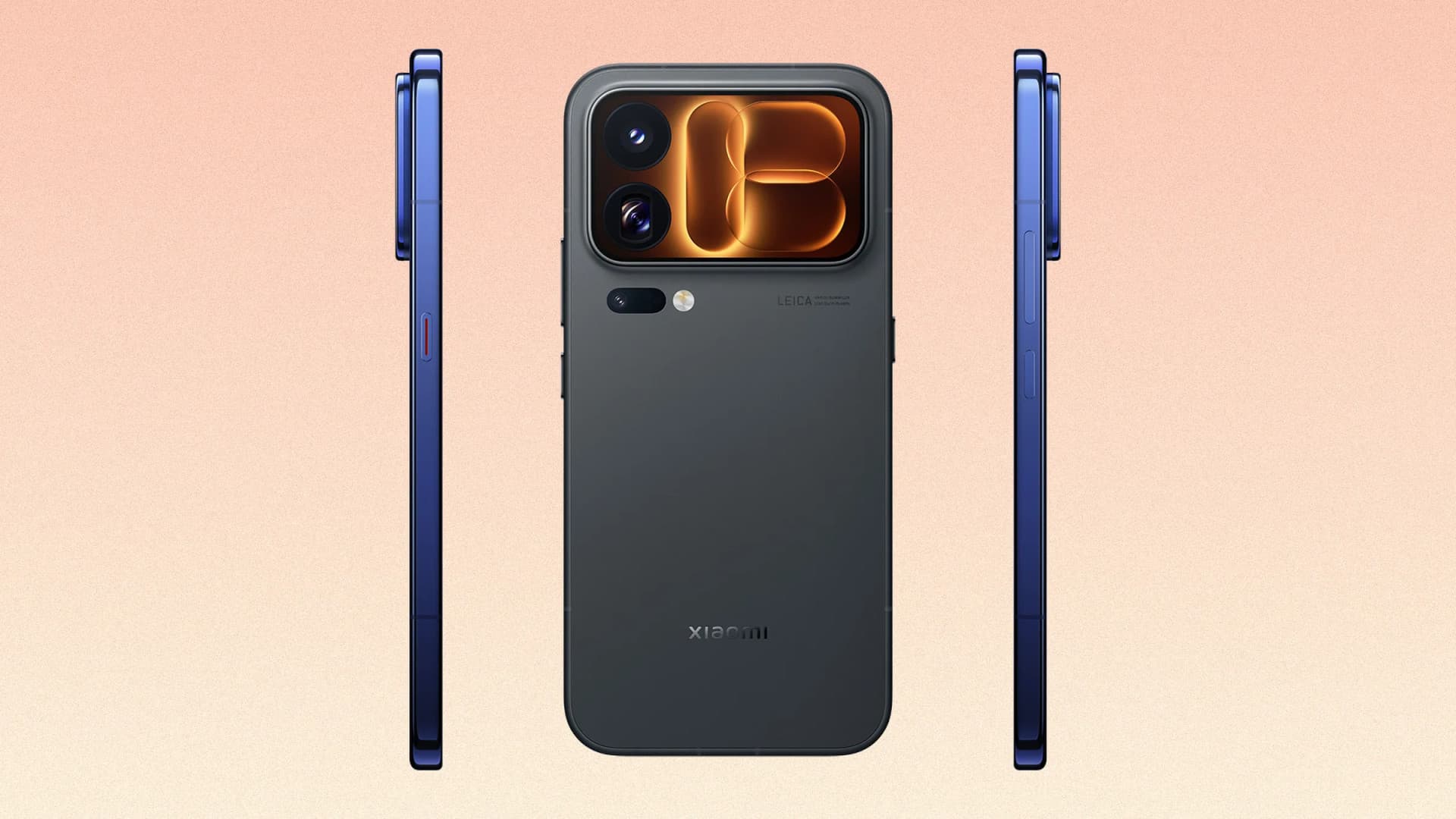
Xiaomi HyperOS 4, the company's Android 17-based software update, starts reaching more phones from October 15 after debuting on the Xiaomi 18 Pro Max — and its most surprising feature set is aimed squarely at people who live between a Xiaomi phone and Apple hardware. The update lets Xiaomi and Apple devices share photos, files, contacts, and web pages, keeps cloud photo albums in sync across both platforms, and passes notifications and messages between devices so you can reply without switching phones.
A Xiaomi phone that talks to iPhones, Macs, and iPads
The cross-ecosystem features go further than file transfers. On a Mac or iPad, Xiaomi's connectivity app can control a Xiaomi phone remotely, provided both sides are signed in to the same Xiaomi account and running compatible software. Xiaomi is also testing an AirDrop-style quick transfer tool between Xiaomi phones and Apple devices, plus a feature called Smart Share meant to link its phones more closely with Apple computers. Those Apple-facing features are currently in testing on the Xiaomi 18 Pro Max, and Xiaomi has not confirmed which other models — or which Apple devices — will get them.
Apple Watch owners get something concrete already: as Born City's rundown of the update notes, the Xiaomi Connect app lets an Apple Watch Series 6, SE 2, or newer pair with a phone running HyperOS 4.0.1 or later, handling calls, texts, and app notifications from the Xiaomi phone on the watch.
Soft Light Glass design and Super XiaoAi 2.0
Visually, HyperOS 4 introduces the "Soft Light Glass" design language — translucent layers, refraction, and blur effects across the interface — along with more lock screen layouts, resizable folders, and grouped widgets, as detailed in GSMArena's coverage of the unveiling. The full glass effects need recent silicon — Snapdragon 8 Elite, Dimensity 9500, Xiaomi's Xring O1, or newer — so older phones will get a lighter version of the look.
On the AI side, the Chinese release ships Super XiaoAi 2.0, built on Xiaomi's in-house MiMo model, with long-term memory, cross-app commands, and an Expert Mode for multi-step tasks. Notebookcheck has reported that global builds are likely to lean on Google Gemini for assistant duties instead, and Xiaomi itself says some AI features may not be immediately available in Europe — so expect the AI feature list to differ by region.
Performance claims
Xiaomi's internal testing, cited at the unveiling, puts app launches about 18% faster than HyperOS 3 after nine hours of continuous use, with HDR photo processing dropping from 310ms to 240ms and the camera app's cold start 200ms quicker. The updated HyperCore system is also claimed to free up roughly 27% more RAM by predicting which resources an app will need and preloading them.
The rollout: October 15 through January 2027
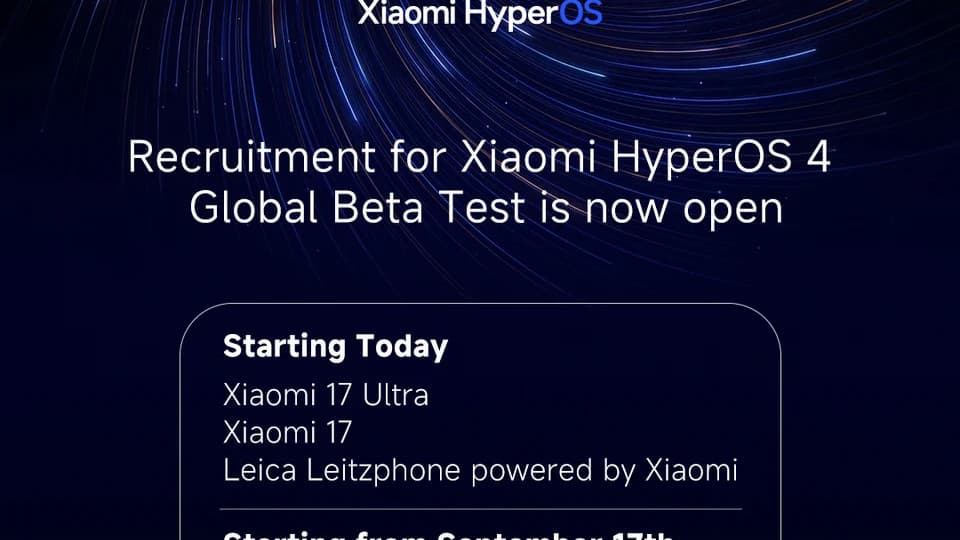
The stable update began with the Xiaomi 18 Pro Max and expands to more devices starting October 15, with high-end models first and the full rollout running into January 2027. The planned device list spans the Xiaomi 17 down to the 13 series, MIX Fold models, a range of Redmi K and Note phones, the Xiaomi Pad 8, and the Watch S4. The September 2026 security patch ships with the update. On the global side, Notebookcheck's report on the first global batch lists the Xiaomi 17, 17 Ultra, 17T, 17T Pro, 15, and 15 Ultra among the earliest eligible phones, with the list expected to grow.
What it means for Xiaomi owners in the Philippines
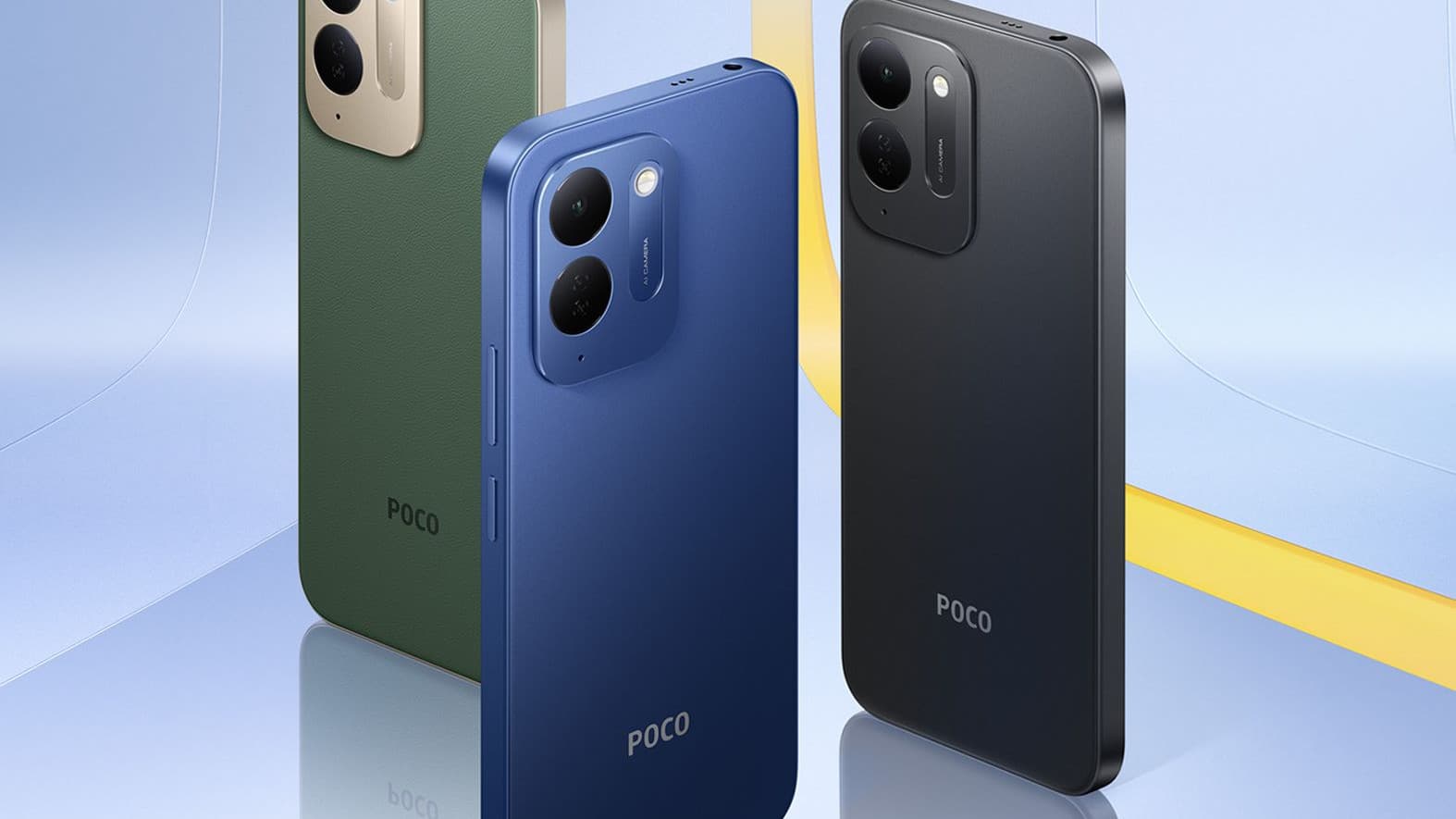
Xiaomi, Redmi, and POCO phones are everywhere in the Philippine market, so a global HyperOS 4 rollout will eventually land on a large share of local handsets — but Xiaomi has not published a Philippine-specific schedule, and the global list so far covers the recent 17 and 15 series flagships. If you are on an older Redmi or POCO model, the January 2027 end date for the wider rollout is the realistic window. The Apple interconnect features are the ones to watch here: plenty of Filipino users carry a Xiaomi phone alongside an iPad or hand-me-down MacBook, a mix that has meant juggling cloud drives and chat apps to move files — exactly the friction this update is built to remove. Xiaomi's flagship plans have shifted lately — the Xiaomi 18 Ultra was reportedly canceled — which makes software support like this the more dependable part of owning one.