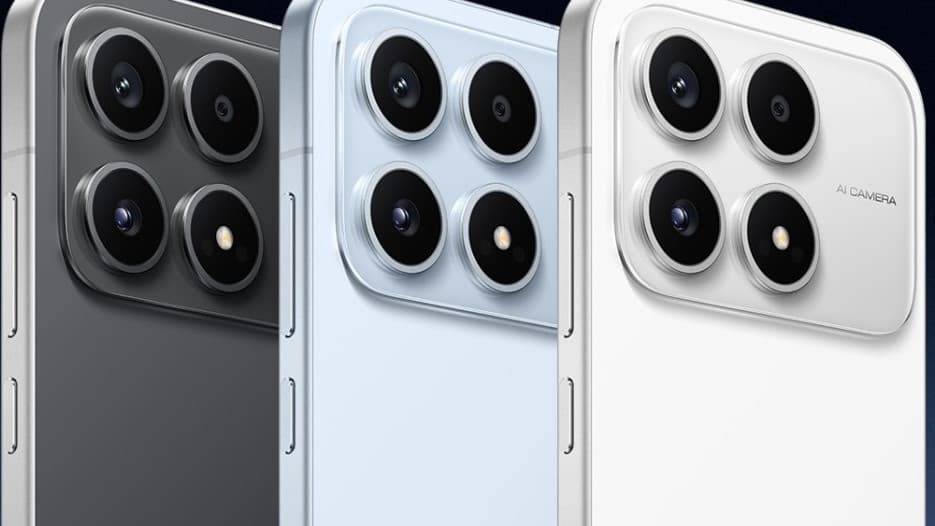
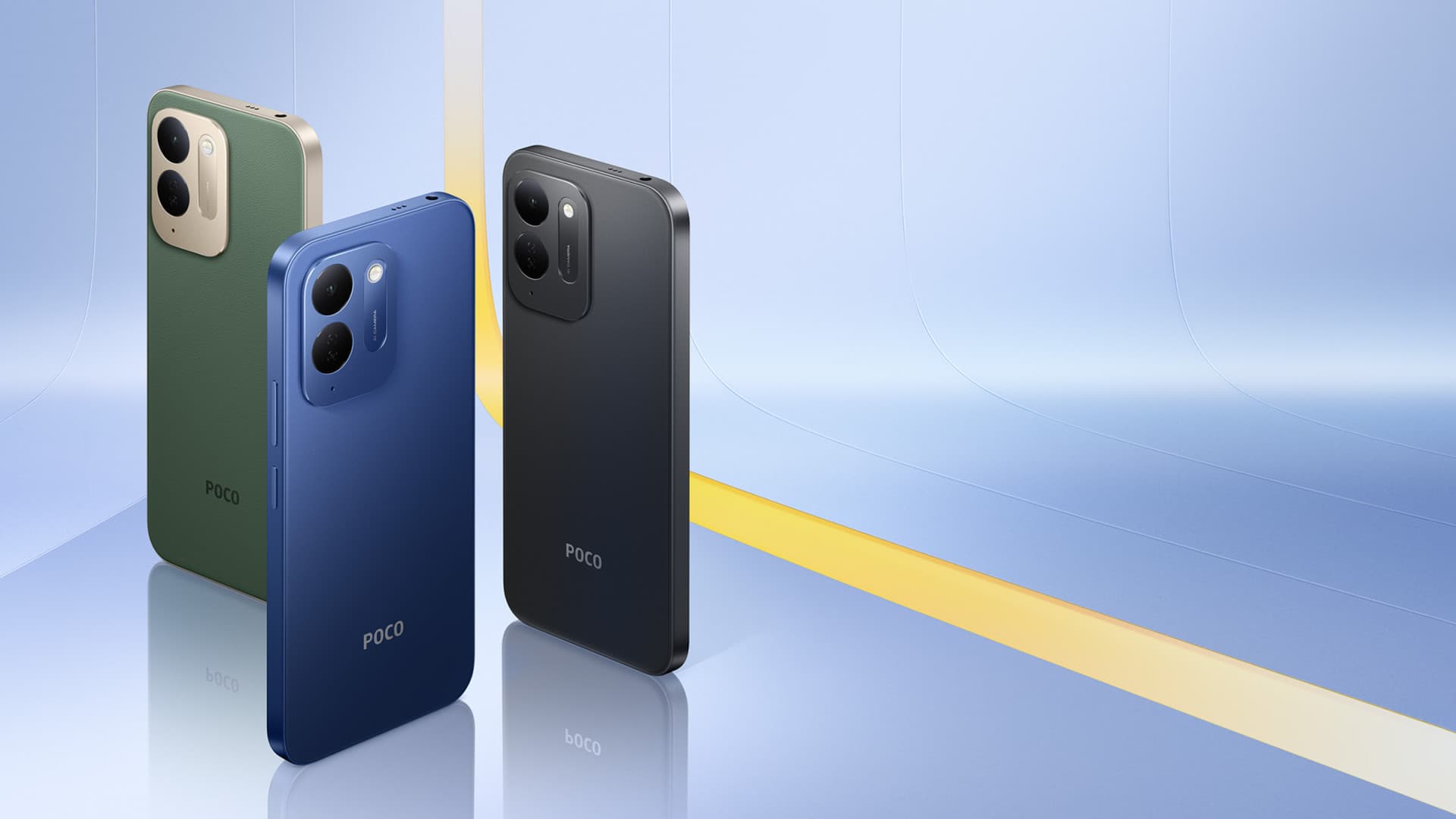
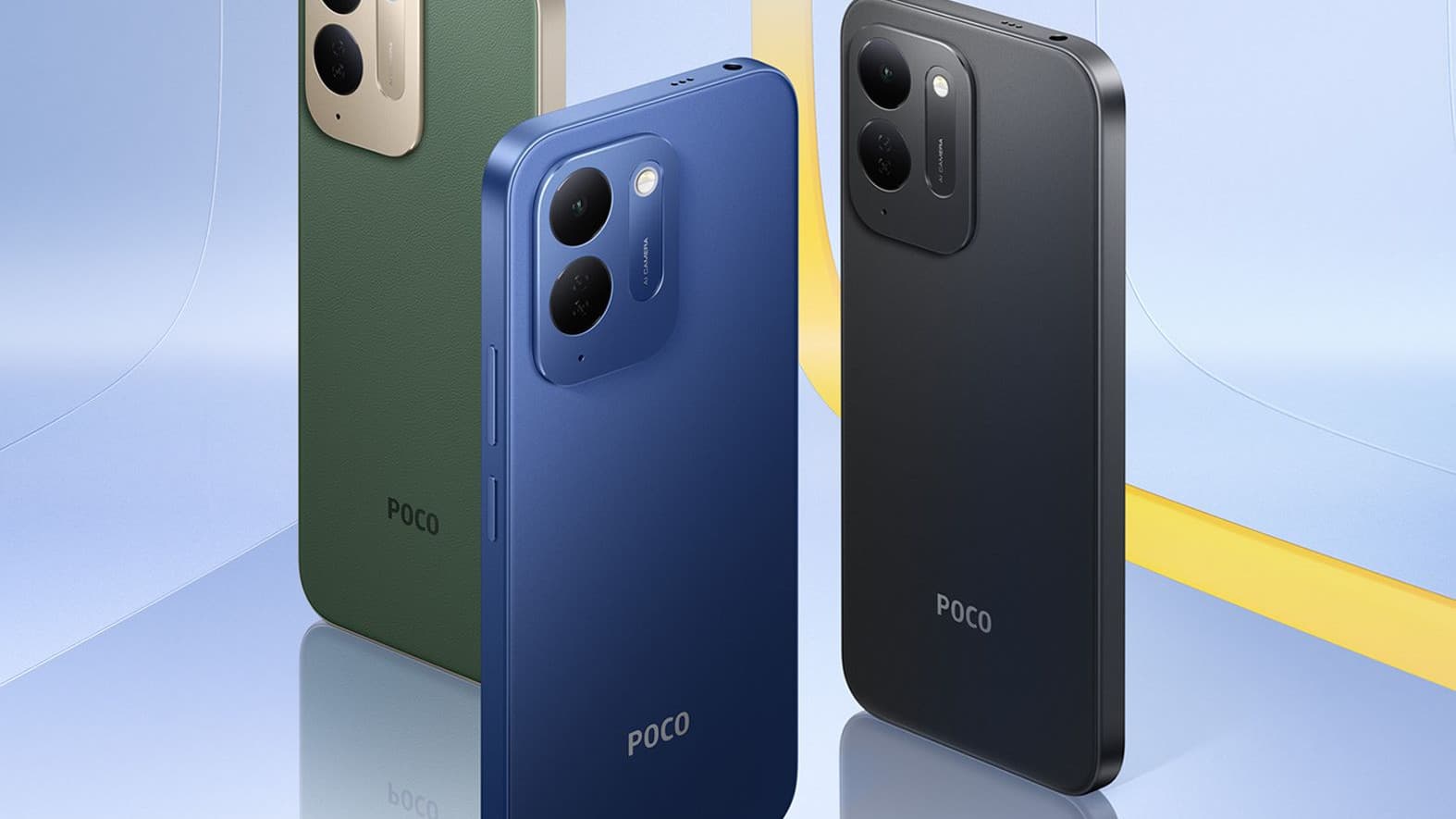
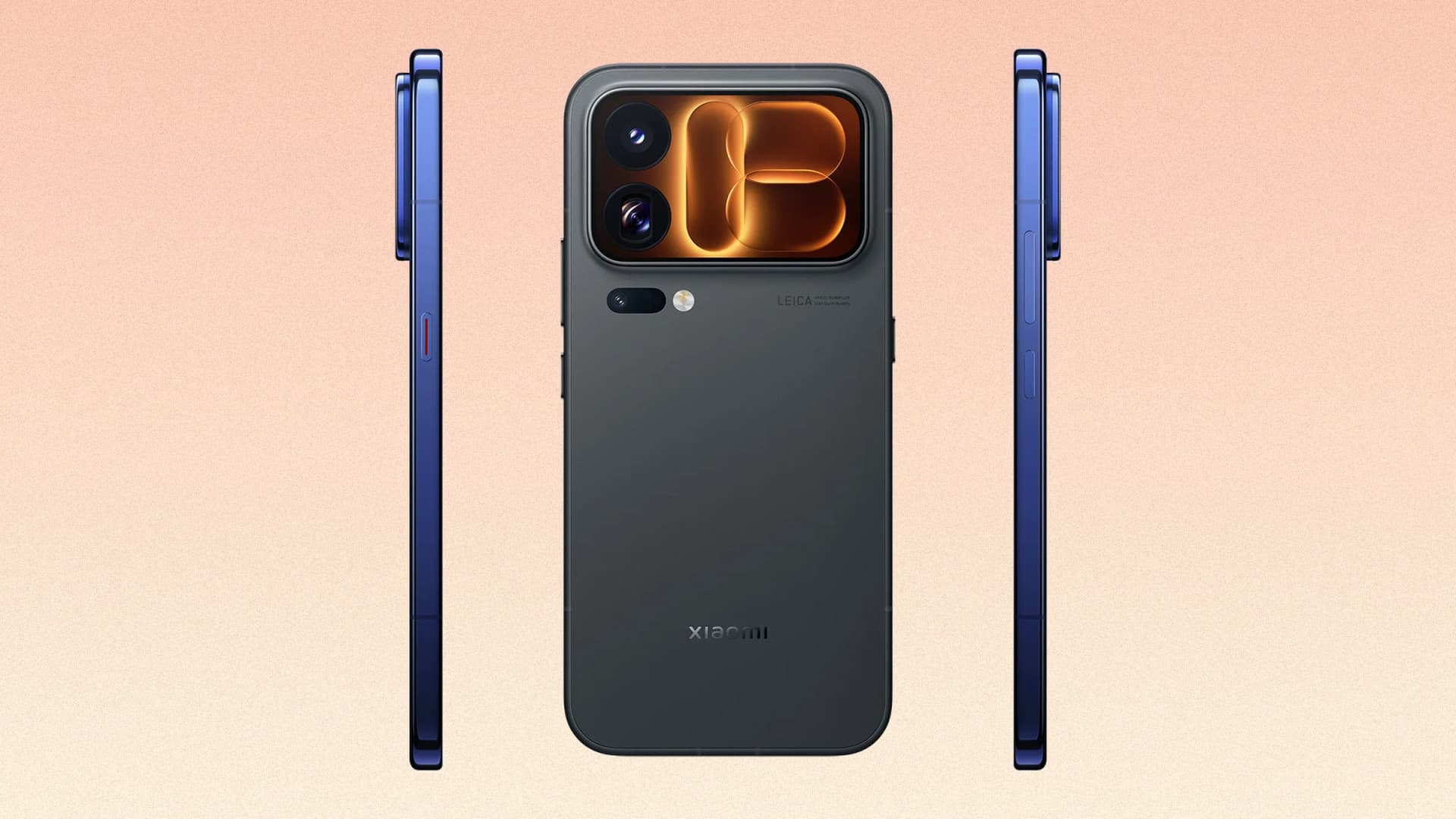
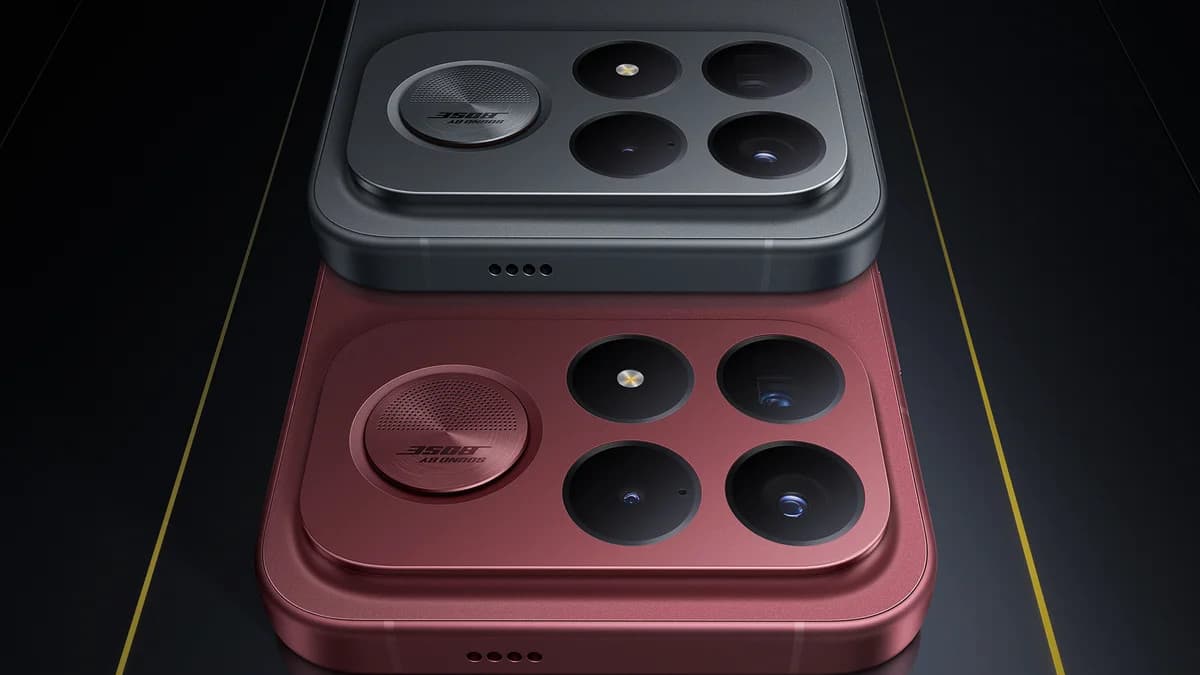
From November 6, the POCO X8s sells in the Philippines at ₱22,999 for 8GB+256GB, ₱2,000 under its ₱24,999 SRP until November 15. That early-bird price is also ₱2,000 below the 12GB POCO X8, which goes on sale here the same day.
The Philippine prices for both phones are listed by JAM Online and match Technobaboy's reports on the POCO X8s and the POCO X8. POCO Philippines' own announcement could not be opened for this article. The specs below come from POCO's global spec sheets.
POCO X8s and POCO X8 Philippine prices
Every variant gets the same ₱2,000 discount during the November 6 to 15 early-bird window.
| Model and variant | SRP | Early bird (Nov 6–15) |
|---|
| POCO X8s 8GB+256GB | ₱24,999 | ₱22,999 |
| POCO X8s 12GB+512GB | ₱27,999 | ₱25,999 |
| POCO X8 8GB+256GB | ₱23,999 | ₱21,999 |
| POCO X8 12GB+256GB | ₱26,999 | ₱24,999 |
One local report lists the 12GB POCO X8 with 512GB of storage. Technobaboy lists it as 12GB+256GB, which matches POCO's global spec sheet for the X8: it offers 12GB of RAM only with 256GB. Neither report names the stores selling the phones yet, so check POCO Philippines' official channels before November 6.
Is the PH price lower than the global price?
Yes, for the X8s. GSMArena reported global early-bird prices of $399 (around ₱25,400) for 8GB+256GB and $499 (around ₱31,800) for 12GB+512GB. By our math, using Wise's mid-market rate of ₱63.68 per US dollar, the Philippine early-bird prices are about ₱2,400 and ₱5,800 lower.
The POCO X8 is priced close to Europe. GSMArena listed its European early-bird price at €319.99 (around ₱22,700) for 8GB+256GB, against ₱21,999 here, at Wise's rate of ₱71.07 per euro.
POCO X8s vs POCO X8: what the extra money buys
The two phones are built for different buyers. The table uses POCO's X8s spec sheet and its X8 sheet.
| Spec | POCO X8s | POCO X8 |
|---|
| Chipset | Snapdragon 7 Gen 4 (4nm) | Snapdragon 6s Gen 4 (4nm) |
| Display | 6.35-inch AMOLED, 1–120Hz LTPO | 6.83-inch AMOLED, 120Hz |
| Battery | 6,330mAh | 8,340mAh |
| Wired charging | 100W | 67W |
| Rear cameras | 50MP main (OIS), 50MP telephoto, 8MP ultra-wide | 50MP main (OIS), 2MP depth |
| Storage type | UFS 2.2 | UFS 3.1 (256GB models) |
| Water and dust rating | IP68 | IP66, IP68, IP69, IP69K |
| eSIM | Yes (nano + eSIM or dual eSIM) | Not listed (dual nano-SIM) |
| Weight | 187g | 223g |
A few points in that table matter more than they look:
- Battery. The X8 holds 2,010mAh more, about 32% more capacity (8,340 ÷ 6,330). The X8s charges faster at 100W against 67W. POCO publishes no official charge-time figures for either phone.
- Storage speed. POCO lists slower UFS 2.2 storage (the chip type that sets how fast apps and files load) on the X8s. The 256GB X8 uses faster UFS 3.1. POCO's sheet also lists LPDDR4X memory on both phones.
- Cameras. Only the X8s has a telephoto camera (a zoom lens for distant subjects). The X8 pairs its main camera with a 2MP depth sensor.
- Charger. POCO's global X8 sheet says no charger comes in the box. The X8s box lists an adapter. POCO notes that box contents may vary by region, so confirm the Philippine package before you pay.
Which one fits you?
At early-bird prices, ₱22,999 buys the X8s with the faster chip, the telephoto camera, eSIM support and a smaller, lighter body. The ₱21,999 X8 suits buyers who want the biggest battery, a larger screen and the IP69K rating (protection against high-pressure, high-temperature water jets).
If you plan to use an eSIM, the X8s is the only one of the two that supports it. Our guide to getting an eSIM on Globe, Smart or DITO covers the fees and steps. If ₱22,000 is above your budget, our comparison of the cheaper POCO C95 Pro and Redmi 17 covers POCO's entry-level option.
The early-bird prices end on November 15. After that, each variant returns to its SRP, ₱2,000 higher.