Key Takeaways
- Xiaomi Philippines confirmed on September 24 that the Xiaomi 18 Pro and 18 Pro Max are coming to the country within 2026 — no exact date or local pricing yet.
- The pair debuted in China on September 23 with 2nm Snapdragon 8 Elite Gen 6-series chips, two 200MP Leica cameras, and rear secondary displays.
- China pricing starts at ¥5,999 (around ₱56,000) for the 18 Pro and ¥6,999 (around ₱65,400) for the 18 Pro Max.
- Batteries jump to 7,000mAh and 8,500mAh using silicon-carbon cells, with 100W wired and 50W wireless charging.
Xiaomi's 2026 flagships are officially Philippines-bound. A day after the phones launched in China, Xiaomi Philippines confirmed the 18 Pro series will reach the local market this year — the piece of news that turns a China-only spec sheet into something worth a Filipino buyer's attention. What remains open is the exact date and, crucially, the peso pricing.
What launched in China
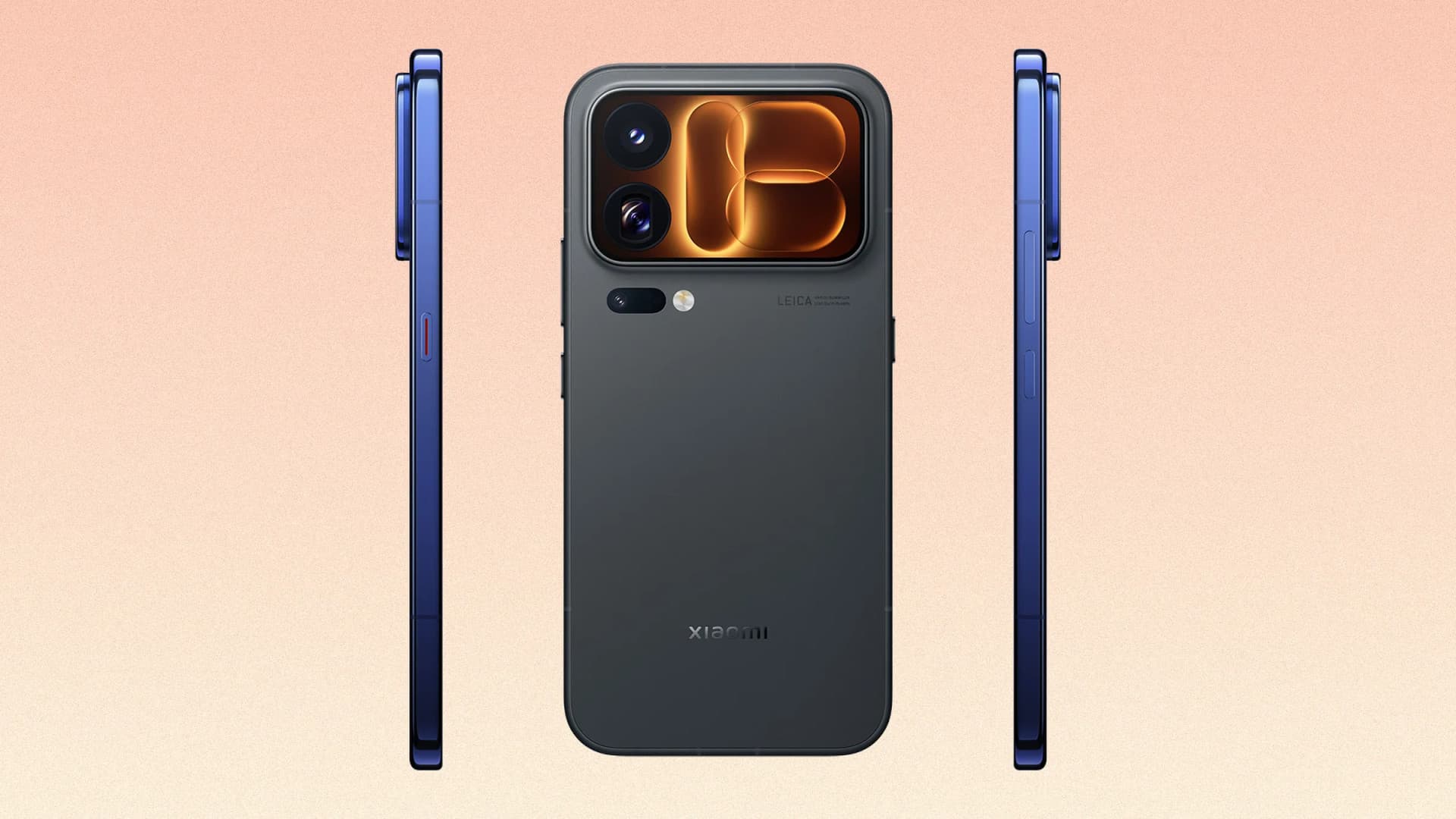
The two phones share a design built around a rear secondary display — a 2.7-inch panel on the 18 Pro and a 2.9-inch one on the Pro Max, both 120Hz AMOLED — used for notifications, selfies with the main cameras, and widgets. Full specifications were detailed at launch by Fonearena:
| | Xiaomi 18 Pro | Xiaomi 18 Pro Max | |---|---|---| | Main display | 6.4-inch LTPO OLED, 1–120Hz | 6.9-inch LTPO OLED, 1–120Hz | | Rear display | 2.7-inch 120Hz AMOLED | 2.9-inch 120Hz AMOLED | | Chipset | Snapdragon 8 Elite Gen 6 (2nm) | Snapdragon 8 Elite Extreme Gen 6 (2nm) | | Battery | 7,000mAh silicon-carbon | 8,500mAh silicon-carbon | | Charging | 100W wired, 50W wireless | 100W wired, 50W wireless | | China price | From ¥5,999 (around ₱56,000) | From ¥6,999 (around ₱65,400) |
The camera system is the same on both: a 200MP Light Hunter 960 main sensor (1/1.28-inch, f/1.67, with OIS and 8K video), a 200MP periscope telephoto (Samsung HP5, 75mm-equivalent reach with a 12cm macro mode), and a 50MP ultra-wide — all Leica co-engineered, fronted by a 50MP selfie camera. Durability covers IP66, IP68, and IP69 ratings, meaning protection even against high-pressure hot water jets.
One genuinely new trick is a hardware-level privacy display, which places narrow pixels beside standard ones to physically restrict viewing angles — shoulder-surfing protection you can toggle per app, as REVU Philippines reported in its launch coverage.
Top configurations climb to ¥9,999 (around ₱93,400), with a transparent-back special edition of the Pro Max at ¥10,999 (around ₱102,700).
The chip generation the Philippines skips the line for
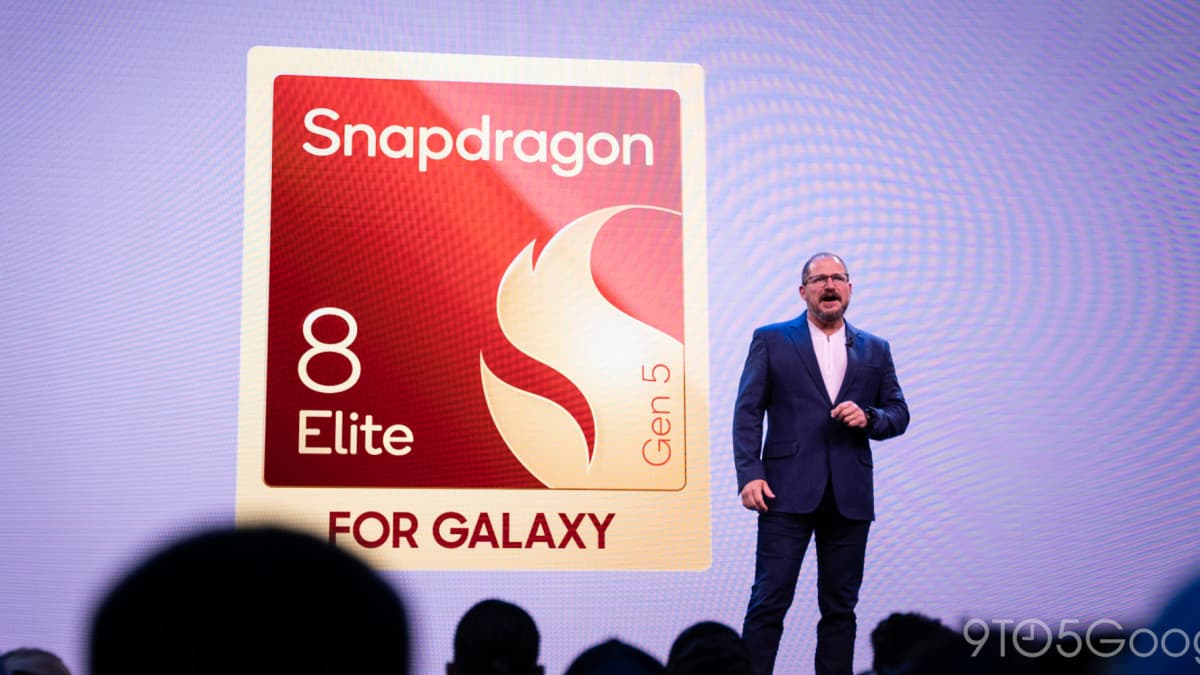
The 18 Pro series is among the first phones anywhere on Qualcomm's 2nm Snapdragon 8 Elite Gen 6 family — the Pro Max takes the higher-clocked Extreme variant. A "2nm process" refers to the chip manufacturing generation; smaller generally means faster and more power-efficient. Qualcomm claims a 35% faster GPU alongside a 40% cut in its power draw. That silicon will headline most 2027 Android flagships, and a confirmed local release means Filipino buyers get it without gray-market imports. Xiaomi is clearly spreading its bets, too: this series runs Qualcomm while the Xiaomi 18 Fold debuted on the company's in-house XRING O3 chip, and rivals are already benchmarking against this generation — Samsung's internal Galaxy S27 tests pit the Exynos 2700 against the Snapdragon 8 Elite Gen 6.
What Philippine pricing might look like
Xiaomi has not announced local prices, and converted China prices are a floor, not a forecast — taxes and distribution typically push Philippine SRPs above straight conversions. The only grounded reference point is the outgoing generation: the Xiaomi 17 series landed locally between ₱53,599 and ₱99,999. Until Xiaomi Philippines publishes numbers, treat the peso figures above as context, not a promise. The global rollout is confirmed for later this year, so the local wait should be measured in weeks, not quarters.