
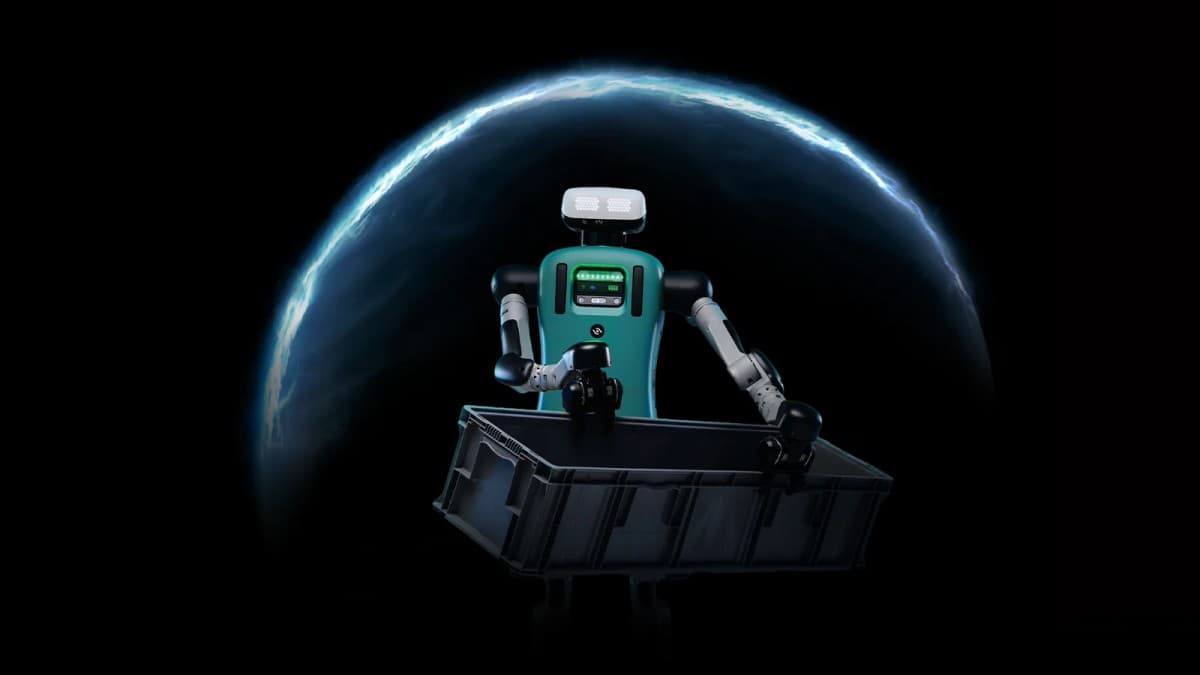
NVIDIA announced Halos for Robotics on June 22, 2026 — billing it as the industry's first full-stack, open safety system for robotics and physical AI. The platform was unveiled at Automate in Chicago and draws on more than 18,600 engineering years of autonomous vehicle (AV) safety development, now applied to humanoid robots and industrial automation entering live factory, warehouse, and logistics environments.
What Halos for Robotics Actually Is
Halos for Robotics is structured in three layers — hardware, software, and third-party certification infrastructure — unified into a single safety architecture.
Hardware Foundation
- NVIDIA IGX Thor: An industrial-grade AI compute module with functional safety built in, designed for demanding factory environments.
- Holoscan Sensor Bridge: Real-time sensor connectivity that feeds data from cameras, LiDAR, and other sensors into the safety stack.
Software Stack
- Halos OS: A safety-focused operating system layer that anchors all safety functions.
- Halos Core: Manages safety-related operations and supports pluggable "blueprints" for perception and control — currently in early access for registered Linux developers.
- Outside-In Safety Blueprint: An external camera-based system that uses AI agents to monitor the robot from outside its own frame, enabling it to detect nearby humans and automatically slow or freeze. The blueprint is open-source on GitHub.
Certification Infrastructure
- NVIDIA Halos AI Systems Inspection Lab: The first ANAB-accredited facility in the United States for functional and AI safety assessment of physical AI systems. It supports certification processes through TÜV Rheinland, UL Solutions, TÜV SÜD, Exida, SGS, and CertX.
Agility Robotics Is the Inaugural Partner
Agility Robotics, maker of the Digit humanoid robot, is the first company to integrate Halos components into a commercial product. Digit is already deployed in production environments at Amazon, GXO, Schaeffler, and Toyota Motor Manufacturing Canada — putting Halos' real-world validation well beyond the pilot phase.