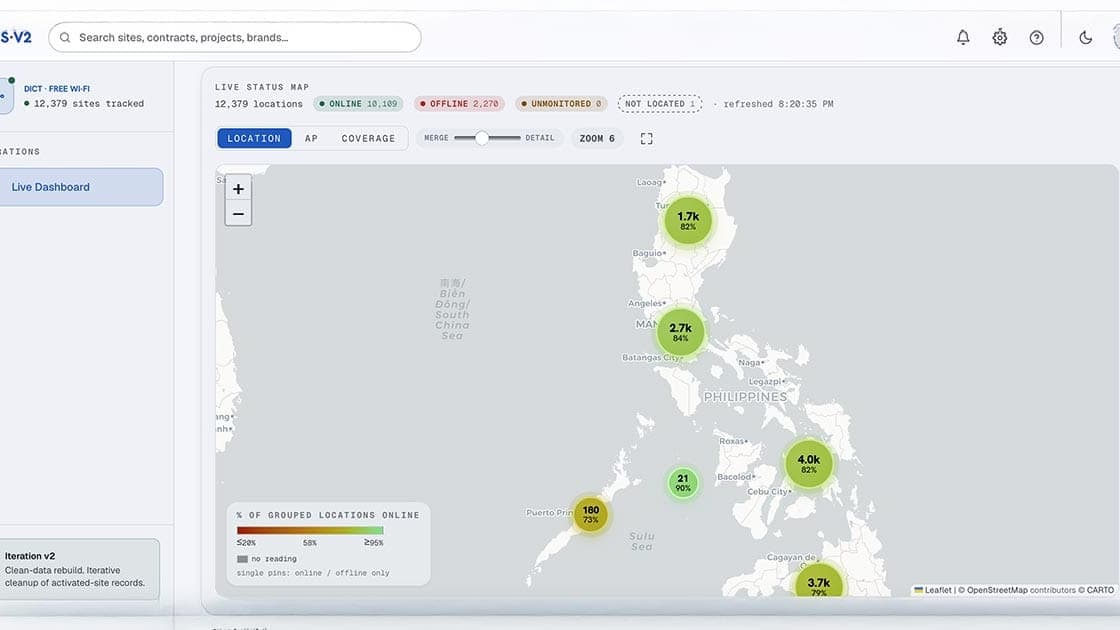
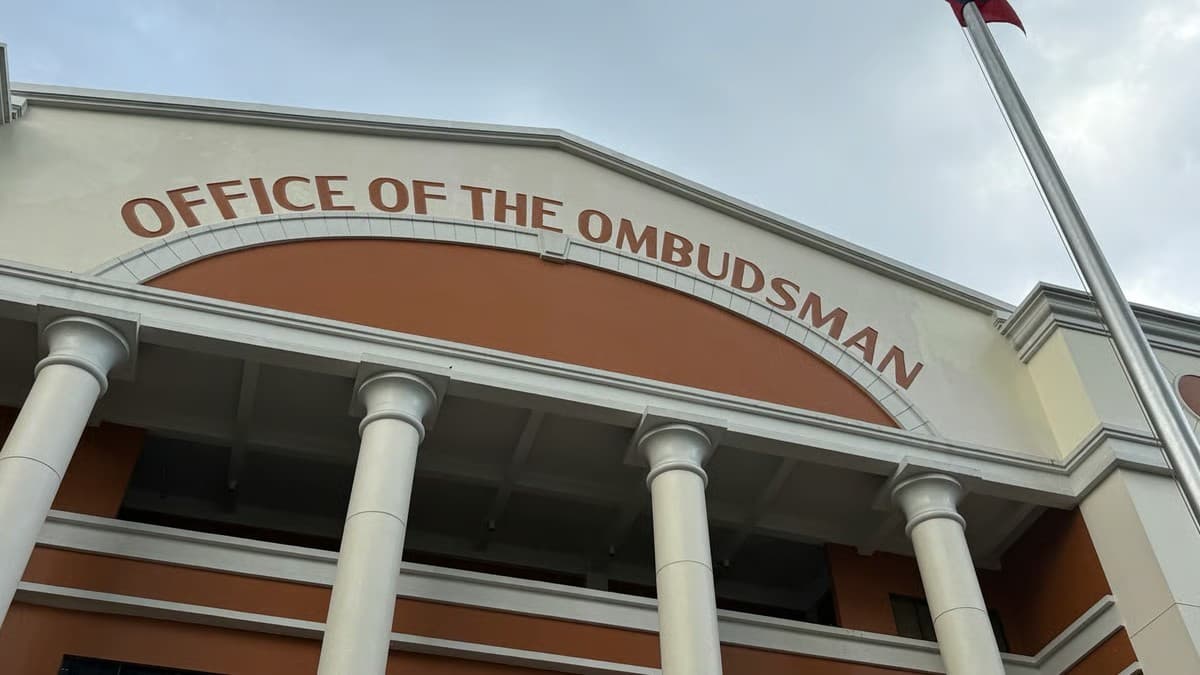
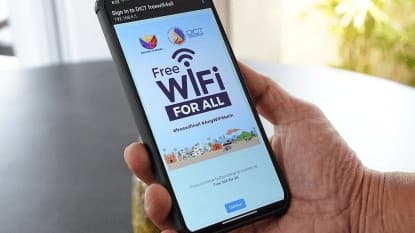
Filipinos can now check for themselves whether a government Free Wi-Fi site actually works. The Department of Information and Communications Technology (DICT) opened its Network Monitoring System Version 2 (NMS V2) to the public on September 21, turning what had been an internal tool into a nationwide accountability dashboard — just as the Office of the Ombudsman digs into alleged "ghost internet" projects.
The dashboard shows the availability, connectivity status, uptime, reported incidents and service-level agreement (SLA) compliance of sites under the Free Wi-Fi for All Program. Data can be filtered by region, province and municipality, covering access points in schools, communities and other public areas, Daily Tribune reported.
How to check a Free Wi-Fi site near you
- Go to the DICT website at dict.gov.ph and open the Services section, where the NMS V2 dashboard is listed.
- Filter by your region, province or municipality to see the status of monitored sites.
- If a site near you is down, report it through the 1326 Citizen Complaint Center hotline, by emailing 1326@dict.gov.ph, or through the eReport feature of the eGovPH app.
DICT had been using NMS V2 internally since last year to monitor network performance, manage incidents, run audits and prepare reports, according to REVU Philippines. Opening it up means the public now sees roughly the same site-level picture the department does.
Contractors put on notice
The public launch came a day after the DICT warned that inactive Free Wi-Fi sites would have consequences for the companies running them. "Any reports of non-performing or inactive sites are subject to immediate technical audit and contractual sanctions," the department said in its September 20 statement.
DICT Secretary Henry Aguda has ordered tighter governance of the program: stricter enforcement of SLAs, closer contract management, regular audits and validation of contractor performance. The department has also changed how it buys connectivity, requiring itemized service components in contracts instead of bundled pricing — a direct response to allegations that bundled deals hid what the government was actually paying for.
On the probe itself, the department says it is cooperating: "With full commitment to transparency, it stands ready to provide all necessary assistance, records, and system data," its statement read. What the DICT has not said is how many sites are currently inactive, whether payments have been withheld, or whether any contractor has been sanctioned so far.
The "ghost internet" probe behind the push
Both moves respond to the Ombudsman's fact-finding investigation into alleged "ghost internet" projects, opened this month under Assistant Ombudsman Mico Clavano. Investigators are examining whether the government paid for internet connectivity that was never delivered, and whether hardware and software purchases worth billions of pesos involved products that were outdated, cheaper than specified, or counterfeit. The Ombudsman has not yet named specific projects, contractors or officials.
Why this matters for your barangay's Wi-Fi
The Free Wi-Fi for All Program is about to get much bigger: the proposed 2027 national budget would grow it to nearly 39,000 access points nationwide. A public uptime dashboard changes the incentives around that expansion — a barangay captain, a teacher, or any resident can now check whether the site they were promised is actually online, and point to the DICT's own data when it is not. The unanswered questions are the enforcement ones: how many sites are dark today, and whether the promised sanctions actually land on the contractors behind them.