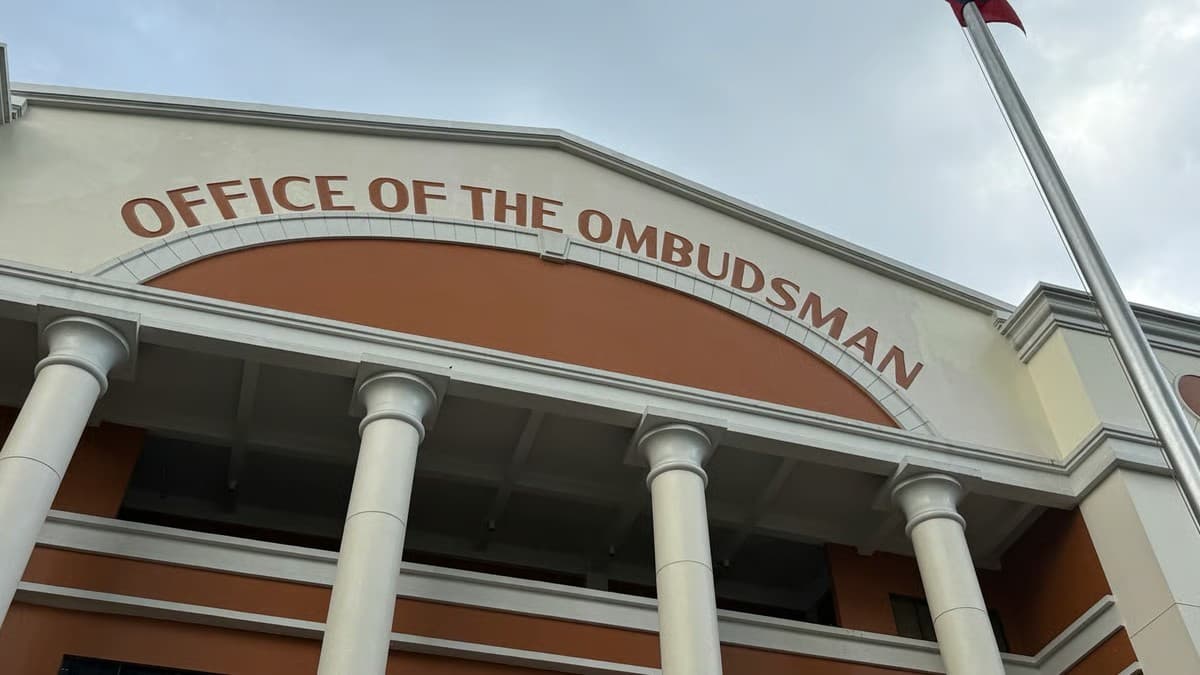
The Office of the Ombudsman has opened a fact-finding investigation into government connectivity contracts linked to the Department of Information and Communications Technology (DICT), targeting what investigators describe as "ghost internet" projects — deals where the government allegedly paid full price for legitimate hardware and software but received substandard equipment loaded with cheaper, outdated, or counterfeit programs.
The probe was announced on September 18, and DICT confirmed the next day that it will cooperate fully. Together with the data breach that took the LTFRB's transaction system offline the same weekend, it caps one of the roughest weeks Philippine government technology has had this year.
What the Ombudsman says it found
The anomaly, as the Daily Tribune reported, involves network providers contracted by the government. The alleged scheme works like this: a contractor supplies hardware that passes inspection, bills the government at full price for brand-name software to run on it, then quietly installs something cheaper, older, or counterfeit instead.
Assistant Ombudsman Mico Clavano put the core problem bluntly: "Because nobody verifies the software after the hardware is approved, the overpricing goes undetected."
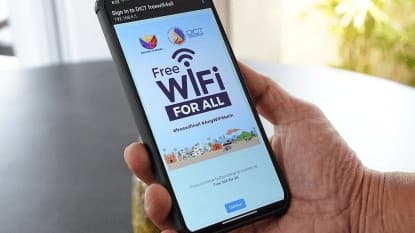
The everyday symptom will be familiar to anyone who has tried to use free Wi-Fi at a government office: connections that exist on paper — and in a signage budget — but rarely work. The Ombudsman cited government buildings with "free Wi-Fi" services that frequently malfunction as an example of where the scheme shows up in practice.
The fact-finding investigation will focus primarily on DICT-related contracts, examining service gaps and payments to network providers nationwide. The contracts under scrutiny involve billions of pesos in hardware and software purchases. Because the probe is at a preliminary stage, no specific projects, contractors, or officials have been named, and no total amount has been attached to the alleged losses.
DICT's response
DICT did not push back on the investigation — it welcomed it. "We are treating this matter with utmost urgency and stand ready to provide any records, technical information, and assistance necessary," the department said in a statement, adding that "any allegation involving non-performing systems, misrepresented project deliverables, or the misuse of public funds must be thoroughly examined and addressed in accordance with the law."
The department said it will formally correspond with the Ombudsman and supply documentation and technical data as the fact-finding team requires.
A probe that lands at the worst possible time
The investigation arrives with DICT already under intense scrutiny on several fronts:
Why this matters to every taxpayer
Whether the free Wi-Fi site in your municipal hall works is not a small thing: for many Filipinos it is the only free internet access available, and every peso billed for software that was never really delivered is a peso that bought no connectivity. The probe's outcome will shape how the government verifies its technology purchases — Clavano's point about software going unchecked after hardware approval describes a gap in procurement audits, not just one bad contract. What happens next depends on what the fact-finding team documents; if it finds evidence of wrongdoing, the Ombudsman can escalate to formal charges against the officials and contractors involved.