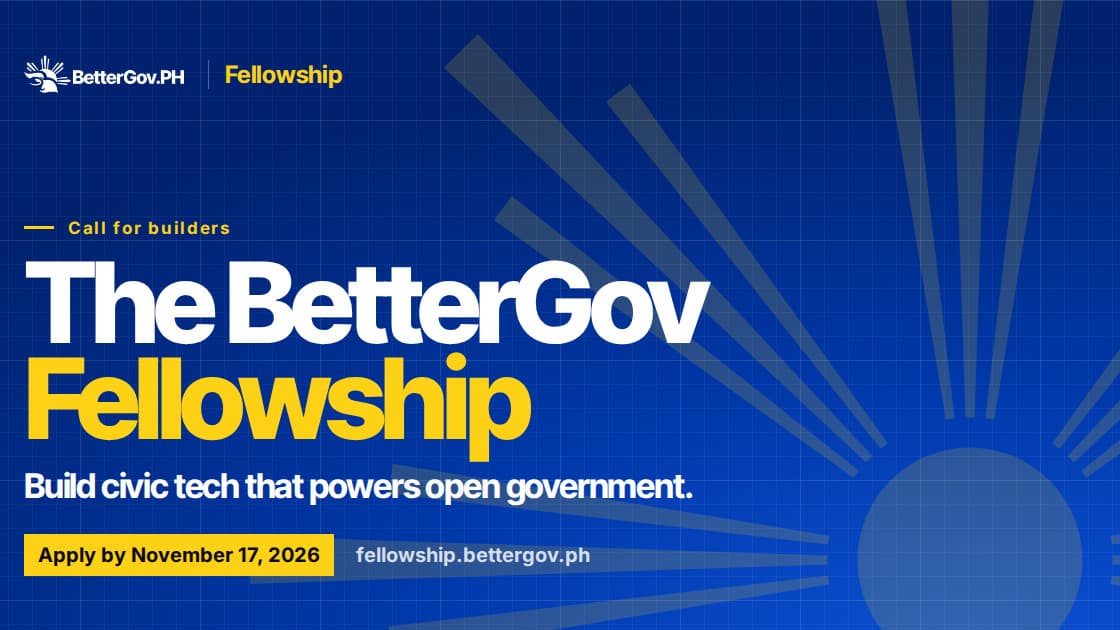
If you build software, dashboards, or data tools, there is now a funded way to do it for the Philippine government: the BetterGov Fellowship offers a share of a ₱450,000 grant pool for three months of civic tech work, and applications close on November 17, 2026. The program comes from the same volunteer movement whose website the government is adopting as the official Gov.PH portal, as first reported by Newsbytes.PH.
What the fellowship pays — and what it expects back
The fellowship is a joint program of the WeSolve Foundation, the Philippine Open Government Partnership (PH-OGP), and the Department of Budget and Management (DBM), with support from the Mozilla Foundation. It was launched at the BetterGov.PH Summit 2026 in Eastwood City on October 17, where WeSolve president Kenneth Isaiah Abante introduced it with the line, "This is our chance to change our country's broken systems," per Newsbytes.PH's report on the launch.
The money is modest and worth understanding before you plan around it. The ₱450,000 pool is gross and shared across selected projects based on their approved budgets, not split evenly. The official site's own example assumes ten selected teams — by our math, an even ten-way split would come to ₱45,000 per team over three months, so treat the grant as seed support for a project, not a salary. Organizers say they are looking for additional sponsors to grow the pool.
In exchange, fellows are expected to ship working tools — platform enhancements, dashboards, data tools, or API services — that connect to DBM's COMPASS budget platform, the eGov platform, or BetterGov.PH Open Data, with documentation, weekly sprints, mentorship sessions, and direct engagements with government agencies along the way. The cohort ends with a Demo Day in March 2027.
Who can apply, and the dates that matter
The call is open to software engineers, data scientists and analysts, open data practitioners, student developers, product designers, UX specialists, researchers, and civic tech groups. You can apply as an individual, a team, an organization, or an informal group; applicants under 18 may need guardian consent.
- Applications close: November 17, 2026, at fellowship.bettergov.ph
- Cohort announced: November 30, 2026
- Fellowship runs: December 2026 to March 2027, closing March 31
Seven challenge areas were presented at the summit, each pairing a government lead with a civil society partner: budget and procurement (DBM), energy (Department of Energy), health (Department of Health), basic education (DepEd), early childhood care (EDCOM 2), infrastructure monitoring (DPWH), and justice and accountability (Office of the Ombudsman, still to be confirmed on the official page). Broader areas like e-government, local government transparency, and freedom of information are also listed.
The volunteer site becoming the government's front door
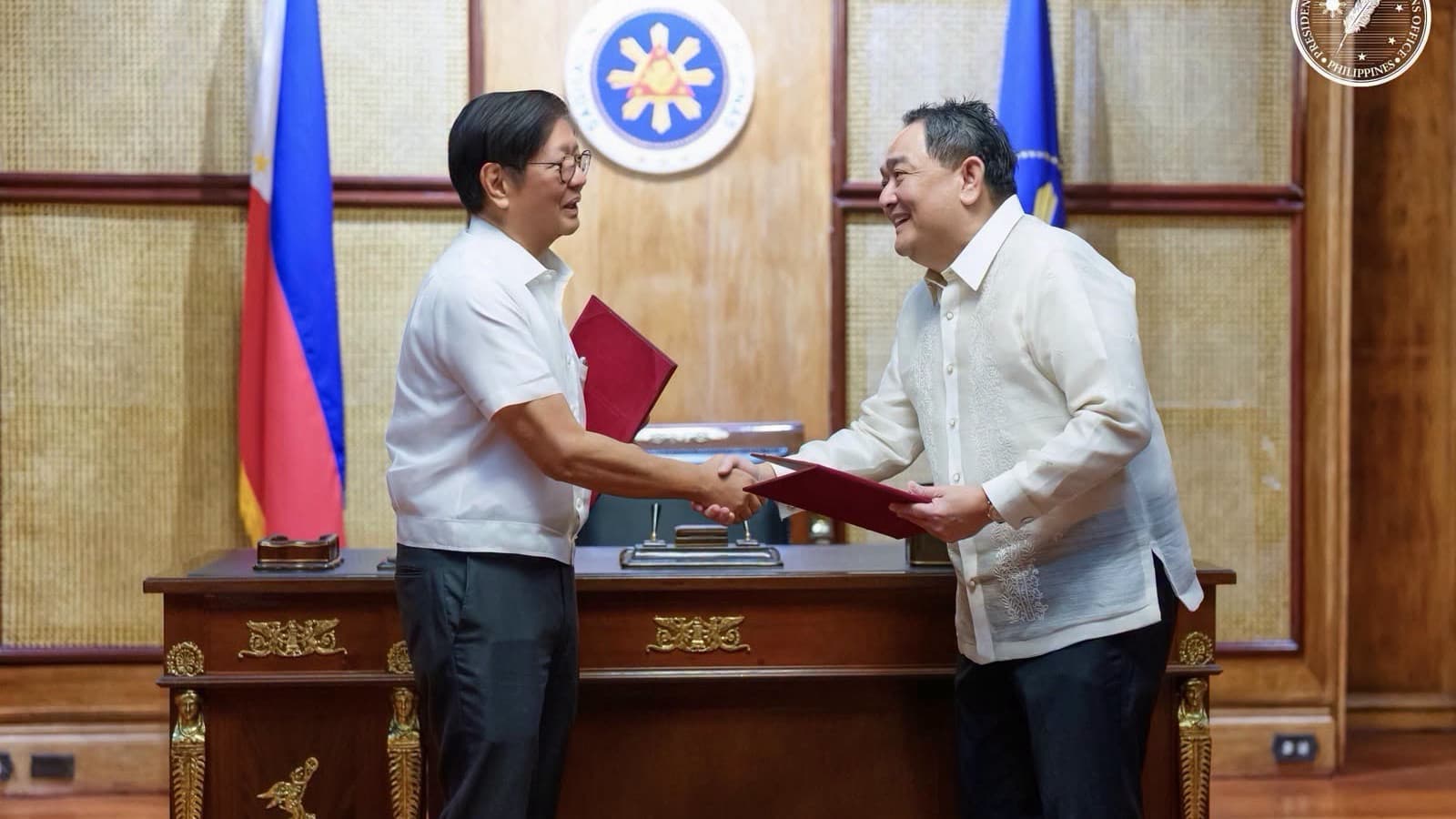
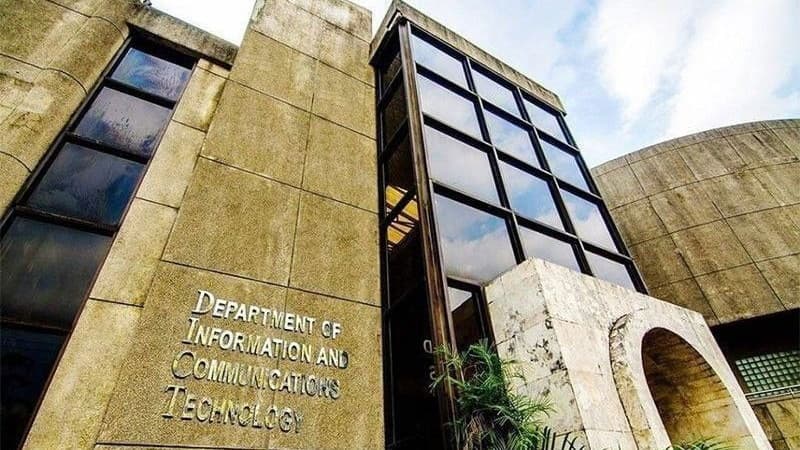
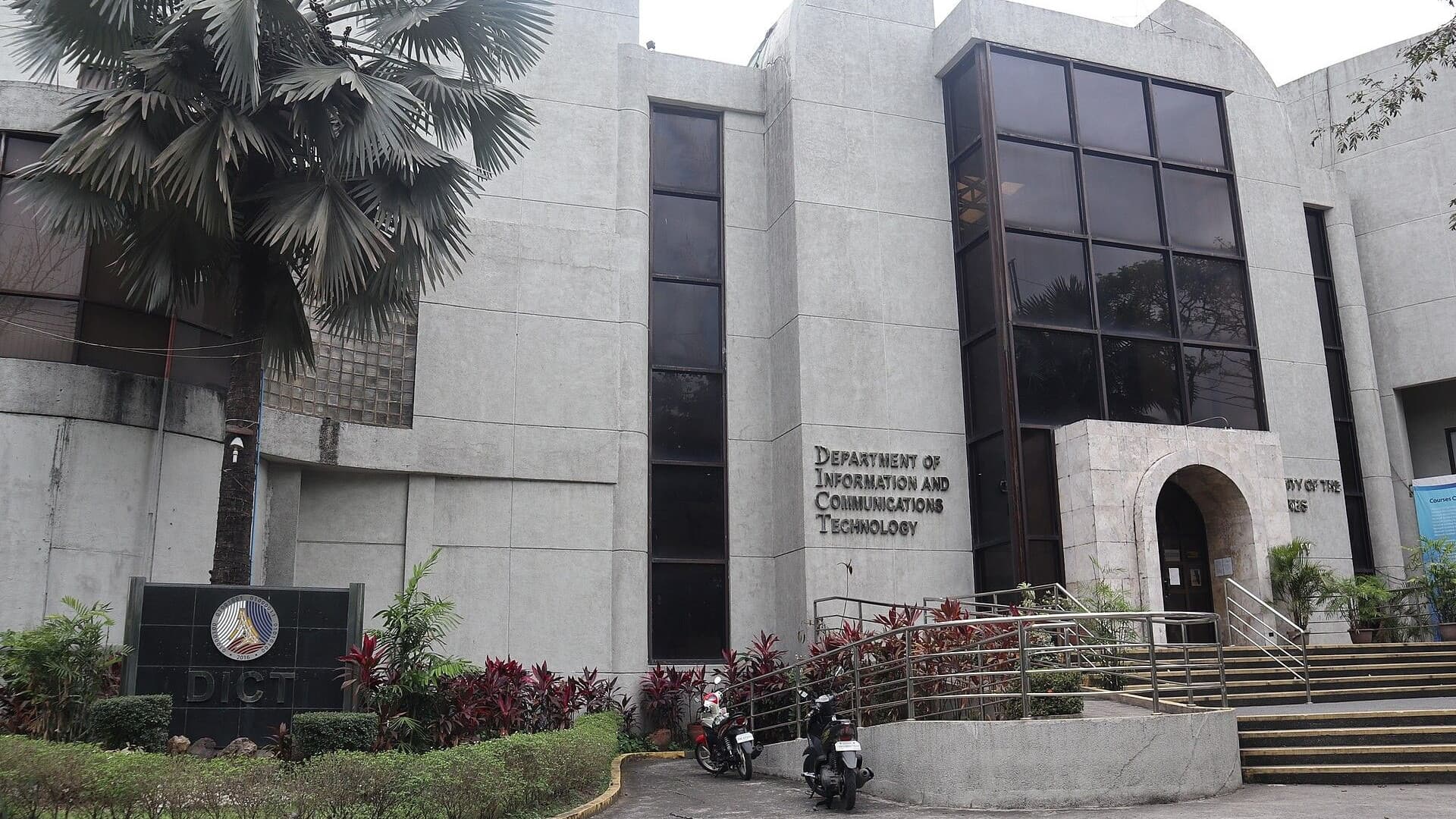
The fellowship landed alongside a bigger announcement at the same summit: the government will adopt BetterGov.PH as the official national portal, with the new Gov.PH co-developed by the DICT's eGov team and the Filipino open-source community. As of publication, only Newsbytes.PH has reported the adoption — the DICT has not published its own announcement, and no launch date for the new portal has been given.
BetterGov.PH began in 2025, when tech founder Jason Torres started rebuilding government web pages as an open-source project amid that year's corruption scandals; the movement formally launched in September 2025 and says it has grown past 5,000 volunteers. At the summit, DICT Undersecretary David Almirol Jr. said the eGov platform's version 2 is scheduled for November 9, that the Gov.PH code repository would be opened on GitHub, and that the government would adopt solutions the IT community has already built rather than rebuild them. "The idea is to let the IT community participate in building better government systems and platforms," Almirol said in the Newsbytes.PH report.
The commitment arrives while the DICT itself is mid-transition — a new secretary took over the department this month — so how fast the portal plan moves will depend on leadership follow-through as much as volunteer energy.
If you are not applying
For everyone else, the near-term change to watch is the eGov platform version 2 on November 9; the redesigned Gov.PH portal itself has no announced date. If the open-source model holds, government sites would be built in public — which means you will be able to see progress, or the lack of it, in the open repository rather than waiting for a press release.