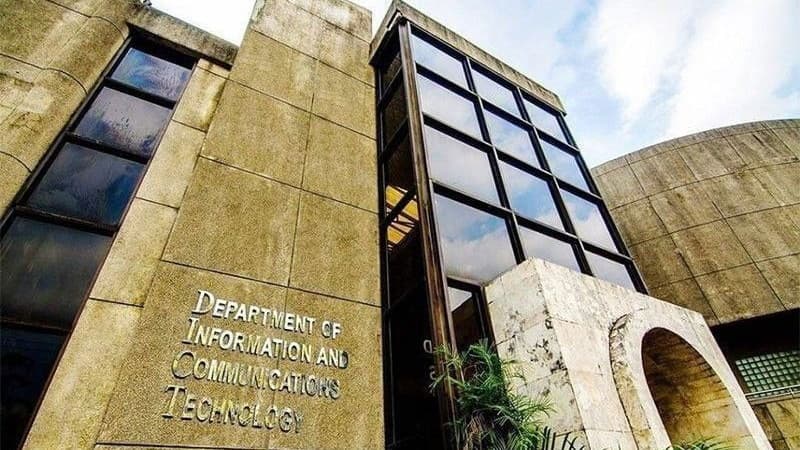
The Department of Information and Communications Technology (DICT) is investigating a suspected breach of the Environmental Management Bureau's (EMB) Company Registration System (CRS), the database that keeps official business records for companies across the Philippines. Authorities were alerted to the alleged incident at around 2 p.m. on September 27, Philstar.com reported. If validated, it would be the third security incident to hit a Philippine government system in about a month.
What happened at the EMB registry
The EMB is an attached agency of the Department of Environment and Natural Resources (DENR). Its CRS is the bureau's main tool for registering companies and maintaining their official records. Preliminary reports suggest that both personal and corporate information stored in the system may have been exposed.
DICT has been careful to stress that nothing is confirmed yet. "At this stage, the reported incident has not yet been confirmed. The authenticity of the exposed information, the extent of the alleged exposure, the source and method of access and whether the information originated from the EMB CRS remain subject to further verification," the department said in its statement quoted by Philstar.com.
While that review runs, the CRS has been placed under maintenance. The National Computer Emergency Response Team (NCERT) — the government's frontline incident-response unit — is working with the EMB to examine the system, and DICT says it will release updates once its findings are validated.
Why this database matters
The CRS is not a minor internal tool. It serves as a repository of company ownership details, registration status, and corporate filings for businesses nationwide. That mix makes it different from a leak of individual accounts: exposure here could enable corporate identity theft, fraudulent filings made in a real company's name, and convincing phishing aimed at company officers whose names and roles appear in registry records.
DICT itself flagged that risk, warning that if the incident is validated, it would present privacy and cybersecurity concerns that could compromise the confidentiality of business data.
The third government incident in about a month
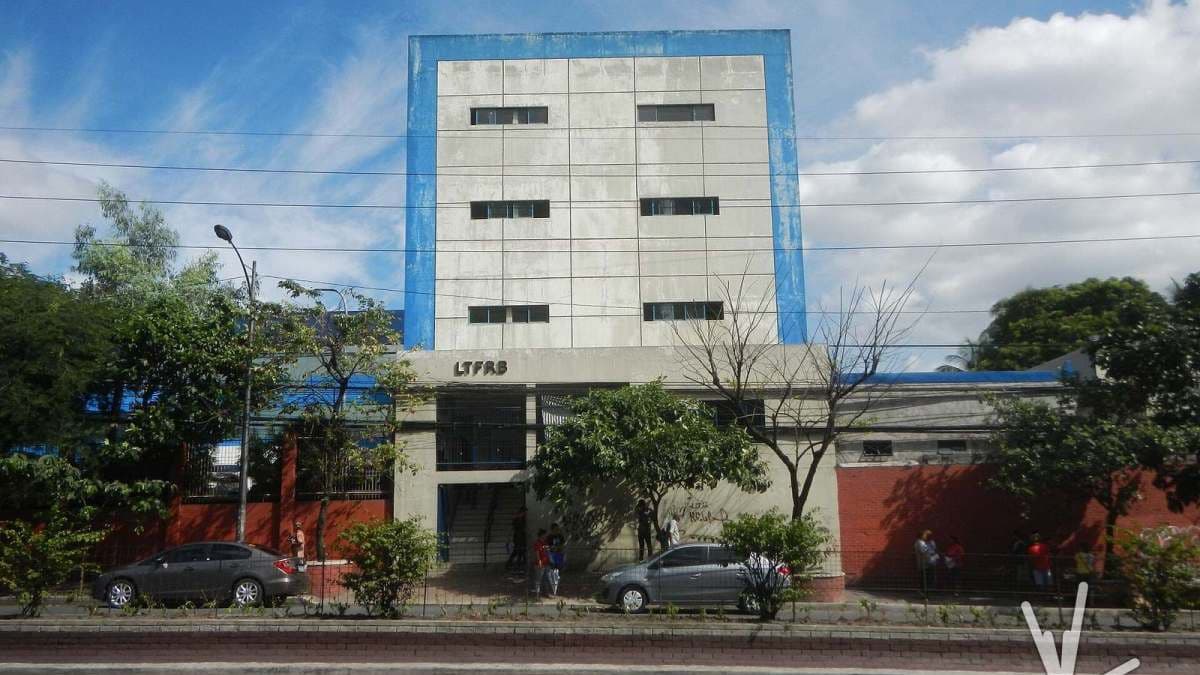
The report lands in an uncomfortable stretch for government IT security. In late August, the LTFRB confirmed a breach of its transaction systems and took its LESS platform offline while a 16-million-record claim went unverified. Then, just days before the EMB report, DICT began investigating a claimed leak of 410 files from its own D-TAP cybersecurity accreditation program, affecting dozens of accredited firms.
The pattern matters more than any single incident. Each system sits in a different agency, but together they sketch the same picture: government databases that hold sensitive personal and business information are being probed, and agencies are repeatedly in verify-and-contain mode rather than ahead of the problem. It also puts DICT in an awkward double role — the department is simultaneously the investigator of the EMB report and the subject of its own D-TAP inquiry, which involves files tied to dozens of firms accredited under its cybersecurity program.
What registered businesses should watch for
Until DICT confirms or rules out the breach, companies whose records sit in the EMB system should treat the advisory as a reason for practical caution rather than alarm. DICT and the EMB have advised businesses and users connected to the system to remain vigilant while the review is ongoing. The realistic near-term risk is misuse of registry details in social engineering: emails or calls that quote genuine company information to appear official. Verify any unusual request that cites EMB records through official channels, and watch for DICT's follow-up advisories, since the department has committed to publishing validated findings. The scope of the exposure, if any, is still unknown — and DICT's own language makes clear that even the source of the leaked material has not been established.