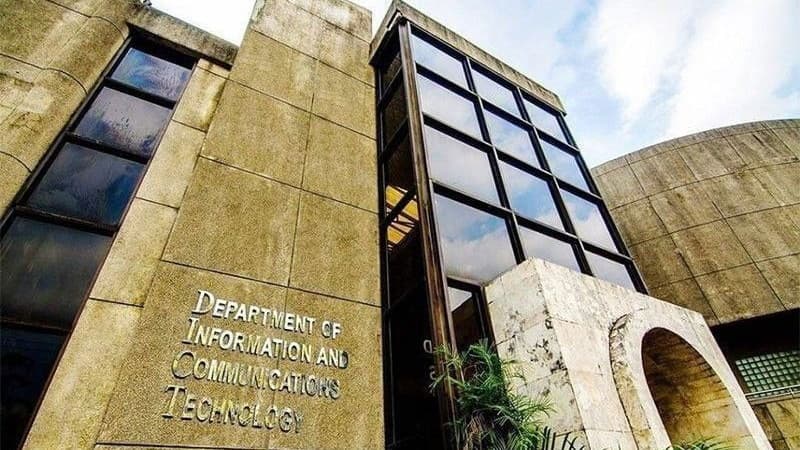
The short version: the Philippines' first purpose-built national cyber-defense hub is no longer just a signed agreement. The National Cybersecurity Center project, funded by a $25.6-million (around ₱1.6 billion) grant from the Korea International Cooperation Agency (KOICA), has formally moved into execution, Newsbytes.PH reported on September 4. An inception workshop held on August 25 in Quezon City brought the Department of Information and Communications Technology (DICT), KOICA, and the project's implementing consortium — led by the Korea Internet & Security Agency (KISA) — around the same table to start the build.
What the center is being built to do
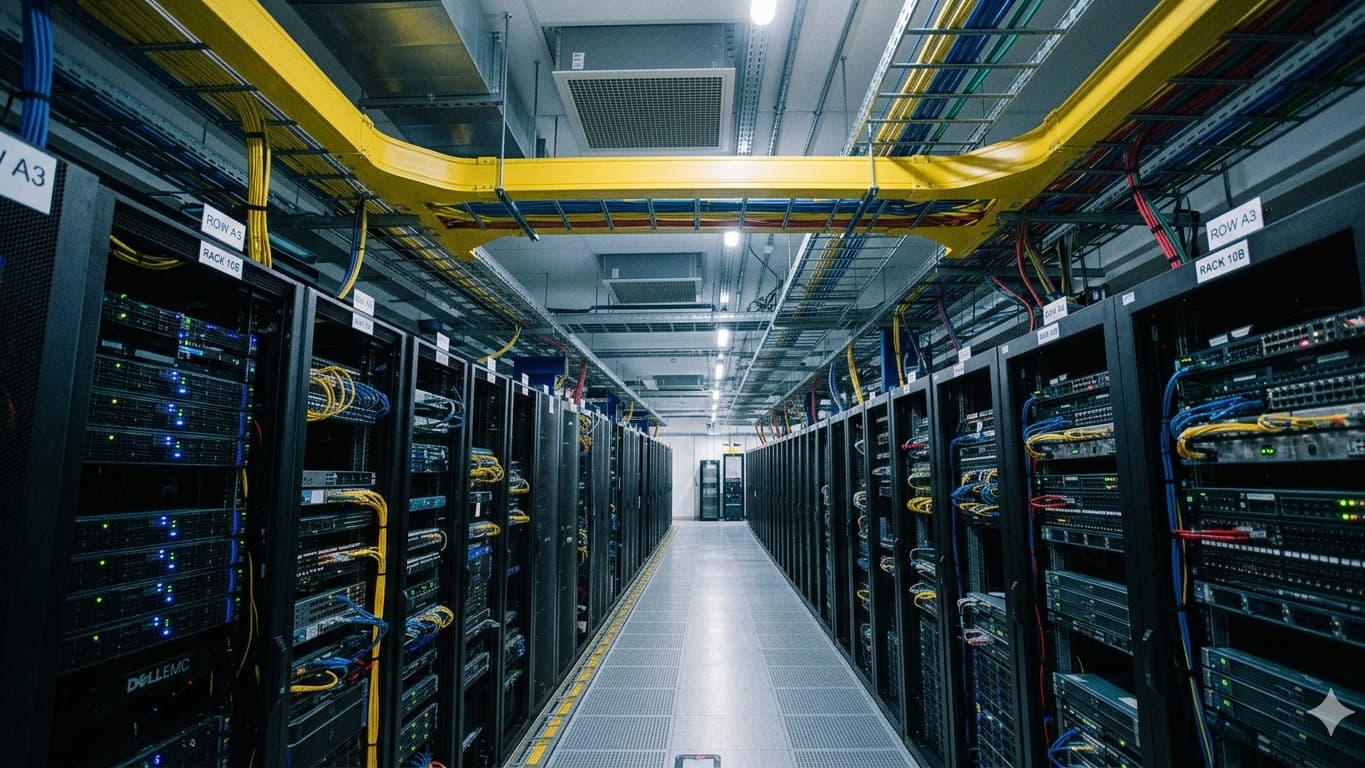
At the core of the project is a 24/7 monitoring and control system for detecting and responding to cyber threats against government systems. Beyond the hardware, the program covers training for government personnel and curriculum development to grow the country's pool of information-security professionals — a persistent gap in the local industry.
DICT officer-in-charge undersecretary for cybersecurity Rodil Aniban said the workshop "provides us with an opportunity to bring together our government partners, stakeholders, and experts to establish a common understanding of our current cybersecurity landscape."
Twenty-five agencies, and why the roster matters
Twenty-five Philippine government agencies are taking part, including the Bangko Sentral ng Pilipinas (BSP), the Bureau of Internal Revenue (BIR), the Commission on Elections (Comelec), the Department of Finance, the Department of Science and Technology, the National Telecommunications Commission, the Philippine Statistics Authority, and the Philippine National Police Anti-Cybercrime Group.
Read that list again and it maps onto ordinary life: the regulator behind your e-wallet and bank, the agency holding your tax records, the body that runs elections, and the office that keeps the national ID database. The systems this center will monitor sit behind services Filipinos use every day. The workshop also drew representatives from the South Korean, Canadian, British, American, and Australian embassies, along with development agencies JICA and GIZ.
From groundbreaking to a disaster-proof design
Construction is already underway. Ground was broken on June 29 at the DICT campus in Valenzuela City, with a backup facility planned in Ilocos Norte so monitoring can continue through earthquakes, typhoons, or other disruptions — a sensible requirement in one of the world's most disaster-exposed countries. The Valenzuela site was also reported by The Manila Times in July, with local officials pitching the city as the country's cyber-defense home.
DICT Secretary Henry Aguda summed up the pitch at the groundbreaking: "We don't just want people connected, we want them protected."
Why it matters
The Philippines is building this center from a rough starting position. A Viettel Cyber Security report earlier this year counted 335 million Philippine records exposed in data breaches in the first half of 2026 alone, alongside millions of stolen credentials. Government agencies have been recurring targets, and until now the response has been spread across units rather than run from a single, purpose-built facility. The center also lands amid a broader push on digital crime: police have argued that the SIM Registration Act alone has failed to stop scams, and the pressure to show a working national defense layer is rising ahead of the 2028 elections that Comelec — one of the 25 participating agencies — will run.
One caveat on sourcing: the project's formal start has so far been reported in detail by one outlet, though the underlying program — the grant, the Valenzuela headquarters, and the Korean partnership — has been documented by multiple national outlets since mid-2026. No completion date has been announced yet; the peso figure above uses current exchange rates, and local reports at signing valued the grant at about ₱1.5 billion.