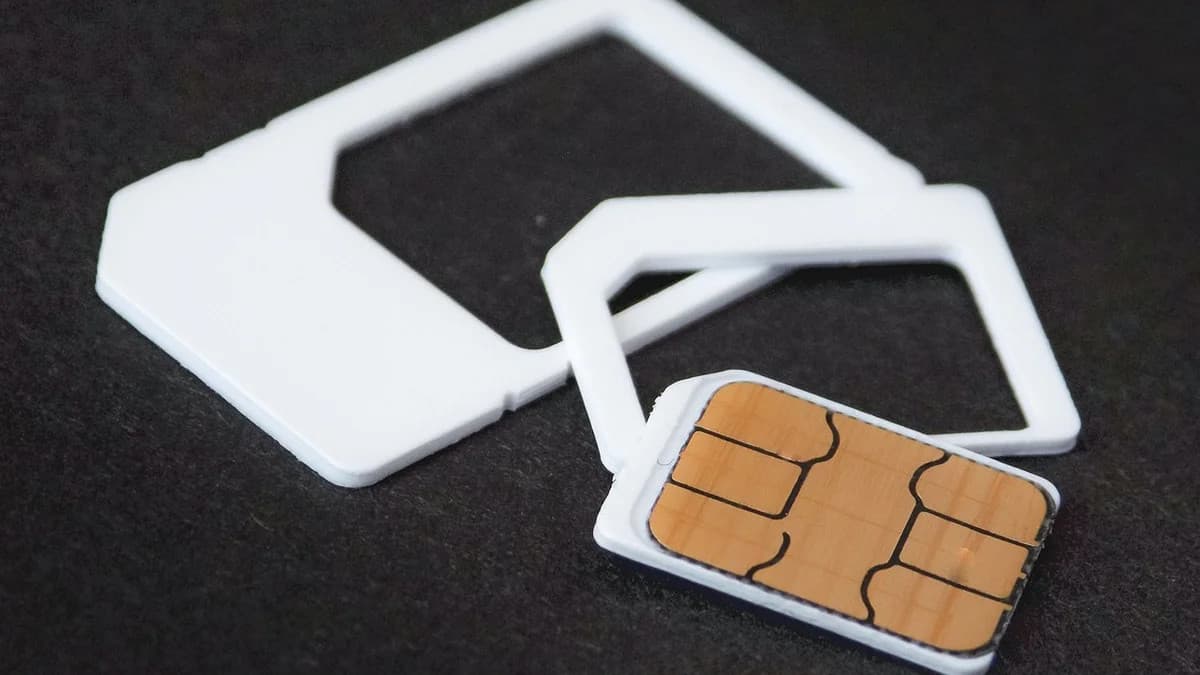
The Philippine National Police says the SIM Registration Act is not doing its job. On September 2, PNP Anti-Cybercrime Group (ACG) director Maj. Gen. Wilson Asueta declared that the law "has not been effective" and needs new provisions, The Manila Times reported. His proposed fix would change how every Filipino gets a mobile number: make the PhilSys national ID, verified with biometrics, the main requirement for registering a SIM, and cap ownership at five SIM cards per person.
What the PNP wants to change in the SIM Registration Act
The ACG chief laid out four reforms to Republic Act 11934, the SIM Registration Act:
- National ID plus biometrics. Registration would require the PhilSys national ID backed by a biometric check (a fingerprint or face scan matched against government records), instead of the mix of IDs accepted today.
- A five-SIM cap. Each person could hold at most five SIM cards across all telcos.
- Documented transfers. Passing a SIM to another person would require proper documentation and cancellation procedures, closing the resale loophole.
- Distribution controls. Retail SIM selling would be monitored to stop unregulated distribution.
The PNP says it is working with the telcos, the National Telecommunications Commission (NTC), and the Cybercrime Investigation and Coordinating Center (CICC) toward a "one-ID" registration system. Any of these changes would need Congress to amend the law.
The numbers behind the complaint
Asueta backed the push with the ACG's own enforcement record. From January to July 2026, the unit arrested 766 cybercrime suspects, rescued 149 victims, and secured 81 convictions, with online selling scams the most common offense.
The case that best illustrates the problem: in one Bulacan operation, police arrested a 26-year-old suspect selling more than 400 already-registered SIM cards at ₱10 to ₱50 each. Those SIMs were registered under the current law — and were still openly for sale, ready to be used for scam texts under someone else's name. That trade is exactly what the ACG says proves registration alone, without biometrics, has not worked: almost all cybercrimes it handles still trace back to SIM cards.
The national ID keeps becoming the internet's gatekeeper
The proposal extends a clear pattern in Philippine tech policy this year. Meta has agreed to verify Filipino users against the national ID through a match-or-no-match PSA interface, and Roblox has committed to PhilSys-backed age checks. If SIM registration joins that list, the PhilSys ID becomes the single credential standing between a Filipino and social media, online gaming, and mobile service itself.
For subscribers, the open question is what happens to existing registrations. Tens of millions of SIMs were registered using other accepted IDs when the law took effect. Officials have not said whether those would need to be re-verified under a biometric system — nothing changes for current users today, and no bill has been passed.
A separate push: a regulator for social media and gaming
At the same briefing, Asueta also floated a regulatory body for social media and gaming platforms, possibly modeled on the Movie and Television Review and Classification Board (MTRCB), created either by law or by executive order. The PNP tied the idea to school shooting incidents in Tacloban and Zamboanga that police attributed to violent online content, and said it is studying foreign measures such as Australia's ban on social media for users under 16. Congress is already weighing its own version of that idea through Senate Bill 2424, a proposed 16-year minimum age for social media.
What happens next
Both proposals are still just that — proposals. Amending the SIM Registration Act requires legislation, and the regulatory body would need either a law or an executive order. But with the PNP, the telcos, the NTC, and the CICC already coordinating on a one-ID system, and with hard arrest figures on the table, the pressure to rebuild SIM registration around PhilSys biometrics is now coming from the country's own cybercrime enforcers, not just from lawmakers.