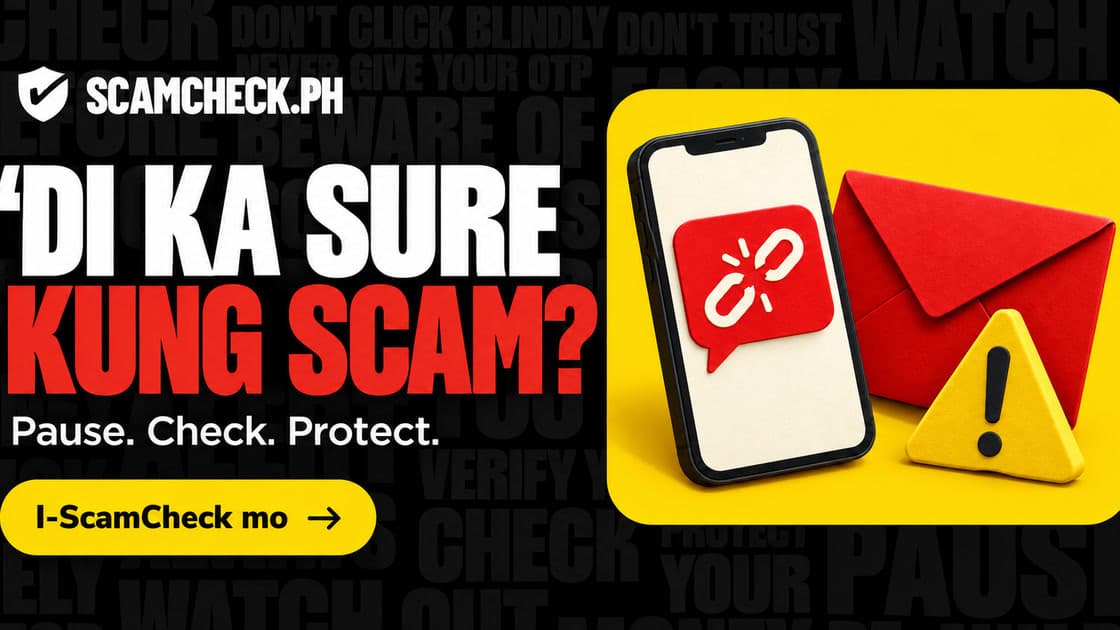
A suspicious text promising a prize, a job, or a package can now be checked in seconds, for free: paste it into ScamCheck.ph and the site returns a risk assessment in English, Tagalog or Bisaya. The tool anchors a bank-industry campaign launched Monday, October 12, at the Bangko Sentral ng Pilipinas (BSP) head office in Manila — the Philippine leg of an ASEAN-wide program whose scam-awareness game aims to reach 3 million people.
What launched at the BSP on October 12
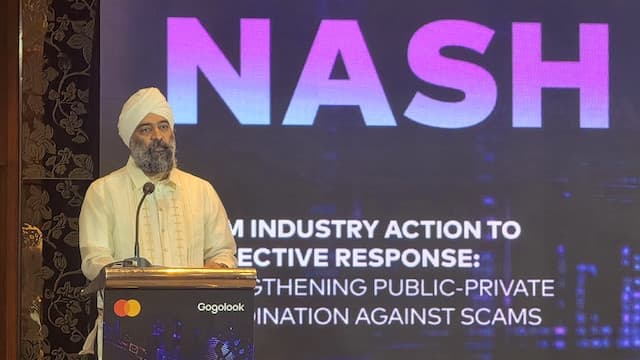
The Manila event, reported by Newsbytes.PH, was organized by the Bank Marketing Association of the Philippines (BMAP), the ASEAN Foundation and Google.org, in collaboration with the BSP, and drew financial regulators, banks, technology and telecom firms, law enforcement and consumer groups. As of publication, Newsbytes.PH is the only outlet to have covered the Manila launch.
BSP Governor Eli Remolona Jr., in a recorded message, framed the stakes plainly: "At the BSP, we believe that as digital finance becomes more accessible, it must also become safer." Deputy Governor Bernadette Romulo-Puyat pushed past awareness alone: "Fighting scams requires more than awareness. It requires action and collaboration."
Alongside the regional program, BMAP introduced its own industry-wide campaign — "Ang Mahal ma-Scam, i-scamcheck.ph Mo Muna" — urging consumers to verify before clicking suspicious links, answering unsolicited messages, transferring money, or sharing personal details online.
How ScamCheck.ph works
The tool itself, at ScamCheck.ph, takes a suspicious message three ways:
- Paste the message — up to 12,000 characters — and get an AI-assisted risk assessment.
- Upload screenshots — PNG, JPEG or WebP, up to 5 MiB each, three per minute.
- Forward a suspicious email to check@scamcheck.ph and get a reply within a few minutes; daily limits apply.
The site carries the BMAP and BetterGov.ph logos and also hosts guides on common scams and the steps for reporting them. Its own fine print is worth following: hide names, account numbers, passwords and one-time PINs (OTPs) before submitting, since submissions are processed by AI providers — though the site says it does not save uploads. Most importantly, it warns that AI-assisted results can be wrong: when money or account access is at risk, verify independently through your bank's official channels.
The ₱310-million program behind it
Scam Ready ASEAN is run by the ASEAN Foundation from 2025 to 2027, according to the foundation's programme page. It will train 2,000 "Master Trainers" to deliver scam-awareness sessions in their own communities, reach at least 550,000 people — youth, parents, caregivers and the elderly — with structured modules, and push an interactive "Be Scam Ready" game to a target of 3 million users across the region. The program was launched in Kuala Lumpur on April 28 with US$5 million (around ₱310 million) in Google.org funding, SunStar reported — set against Southeast Asian online-scam losses estimated at US$23.6 billion (around ₱1.46 trillion) in 2024 alone.
Why the banks are pushing this now
The campaign lands where the losses already are: 84% of Filipino adults faced a scam attempt in the past year, with fraud money shifting from banks to e-wallets. A free checker will not stop a scam on its own, but it buys the pause that matters. If a message asks for money, an OTP or account details, run it through ScamCheck.ph before you reply — and if you have already engaged with a scammer, the site's guides list the reporting steps for each scam type.