Skip to content

SEC Shuts Down Three Investment Schemes, Including an 'AI Trading' Pitch Promising 150% in 30 Days

The SEC ordered AI Quest Trading, G's Kicks and NShop to shut down over unregistered investment offers, one selling AI-assisted trading at 150% in 30 days.

Argal
Argal
••3 min read
Securities and Exchange Commission announcement on the shutdown of three investment schemes
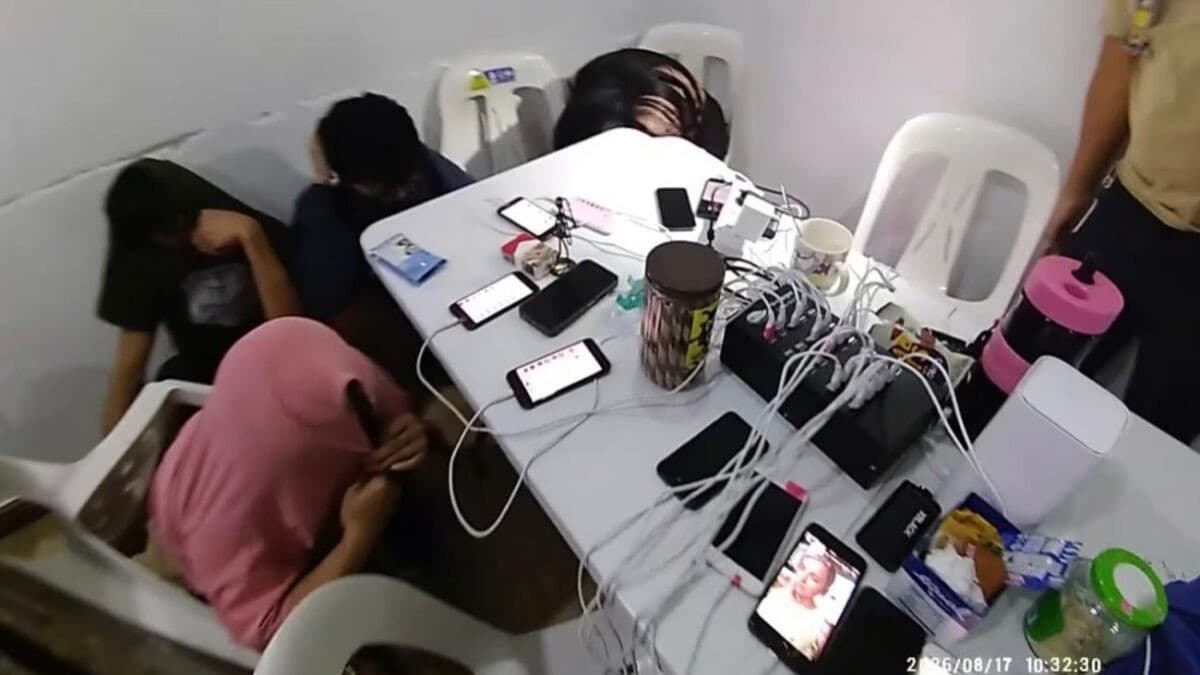
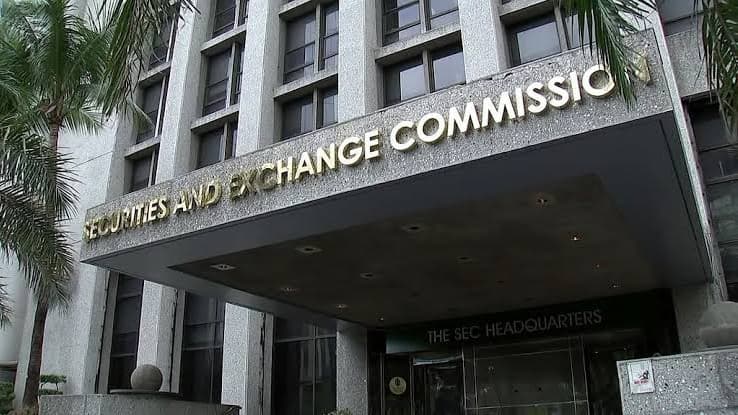
The SEC ordered AI Quest Trading, G's Kicks and NShop to stop soliciting investments and take down their online operations. Photo: Daily Tribune

The Securities and Exchange Commission (SEC) has ordered three social-media-driven investment schemes to stop operating, and one of them was selling something very 2026: "AI-assisted stock trading" with promised returns of up to 150% in 30 days. The cease-and-desist orders, reported on September 28, also direct the schemes to take down their online operations.

The three schemes and what they promised

  • AI Quest Trading, run by principal Erica Aguilar, offered investment plans from ₱500 all the way to ₱1 million. It promised returns of 30% in seven days up to 150% in 30 days, supposedly generated by AI-assisted stock trading.
  • G's Kicks Billiard Hall, operated by Gabriel Fernandez Vasallo, marketed returns of 8% to 10% in 30 days on social media, with claims that the money was risk-free or guaranteed and could be withdrawn quickly.
  • NShop, which also operated as M&N Online Shop and NFunds under Nathalie Jean Bersamina, kept soliciting investments even after the SEC issued a public advisory against it in June 2026. The regulator also flagged unauthorized lending activities through unregistered entities, which fall under the Lending Regulation Act of 2007.

None of the three is registered with the SEC as a corporation or partnership, and none holds a license to sell or offer securities. As Daily Tribune reported, the orders direct an immediate halt to operations, prohibit the sale of unregistered securities, and require the schemes' internet presence to be taken down. The SEC also barred transactions on the schemes' depository banks and the transfer of assets under their control, preserving whatever funds remain for investor claims.

Why scammers keep saying 'AI'

The AI Quest case shows how quickly investment fraud adopts whatever technology is in the news. Attaching "AI" to a trading pitch borrows credibility from a real trend — legitimate funds do use algorithmic trading — while explaining away why the returns seem magical.


The promised numbers are the giveaway. A return of 150% in 30 days means more than doubling your money every month. No registered investment product in the Philippines offers anything close to that, and the entry price of ₱500 is designed to make trying it feel harmless. Small amounts from many people add up fast.

The orders land in a broader enforcement push. The Bangko Sentral ng Pilipinas recently reported that online scam cases fell to 4,509 in the first half of 2026 as the Anti-Financial Account Scamming Act took hold — but social media investment solicitation clearly has not stopped.

How to check an investment offer before you pay

Two separate registrations matter, and schemes like these fail both:

  1. Corporate registration. Check whether the company is registered with the SEC at all. All three entities in this round were not.
  2. A license to sell securities. Even a registered corporation cannot legally offer investment contracts without a secondary license from the SEC. Registration as a business is not permission to take investments.

Beyond the paperwork, the SEC's enforcement history points to consistent red flags: guaranteed or "risk-free" returns, pressure to recruit others, and payouts that only work while new money keeps coming in. If an offer reaches you through a Facebook group or a group chat and promises fixed monthly percentages, treat that as a warning in itself.

If you have money in any of the three schemes, the asset-preservation orders exist precisely so that remaining funds can answer investor claims — filing a complaint with the SEC is the formal route to be counted among the claimants.

Argal

Argal

@clurky

Clurky is a Philippine tech news site owned and run by Argal, a Philippines-born software developer based in Singapore with a Computer Science background. He covers Philippine tech, fintech, and digital services - from gadgets and AI to software and security - along with evergreen guides and explainers, all with a builder's eye for how these systems actually work. Every article is fact-checked against primary sources.

467 posts

Comments

Join the conversation

Sign in to leave a comment and reply to others.

Sign in
Loading comments...