In the space of one week, the two arms of the Philippine anti-scam machinery delivered opposite verdicts. Days after the national police called the SIM Registration Act a failure, the Bangko Sentral ng Pilipinas (BSP) told senators that a different law — the Anti-Financial Account Scamming Act, or AFASA — is actually working, and it brought numbers.
What the BSP told the Senate
At a Senate finance committee briefing on the central bank's proposed 2027 budget, BSP General Counsel Roberto Figueroa said AFASA (Republic Act 12010) has "significantly strengthened the central bank's ability to combat scams and fraud," BusinessMirror reported.
The law, passed in 2024, gave the BSP powers it never had before:
- It can examine bank and e-wallet accounts suspected of being used in scams without a court order — a major change, since bank secrecy rules previously slowed investigators down.
- It created the Consumer Account Protection Office (CAPO) inside the BSP.
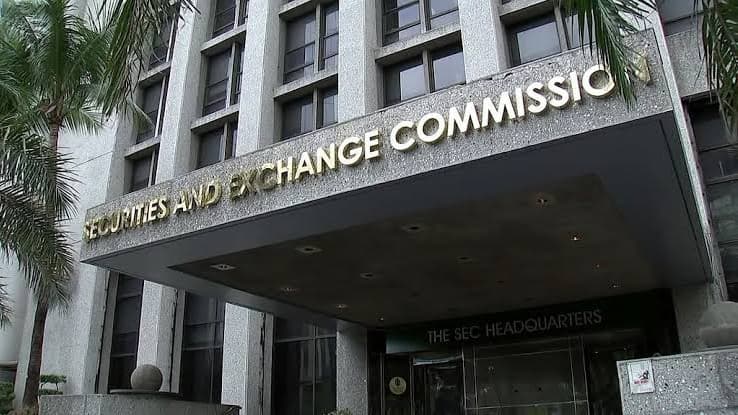
- It allows information-sharing with law enforcement to trace stolen funds and help victims recover money. CAPO has signed data-sharing agreements with the Securities and Exchange Commission, the Cybercrime Investigation and Coordinating Center, the Department of Justice, and other agencies.
The numbers behind the claim
The statistics the BSP and senators pointed to come from the Philippine National Police Anti-Cybercrime Group (PNP-ACG):
- Online scam cases fell to 4,509 in January to June 2026, down from 5,526 in the same period of 2025 — a drop of just over 1,000 cases, or about 18 percent.
- Of 527 AFASA-related cases recorded in 2025, 447 have been solved or cleared.
The PNP-ACG first reported the half-year decline in July, crediting public awareness campaigns as much as enforcement. "Scams are evolving with the technology's trends," ACG director Police Maj. Gen. Wilson Asueta said then, urging the public to stay vigilant against schemes such as QR code scams that lead to fake websites.
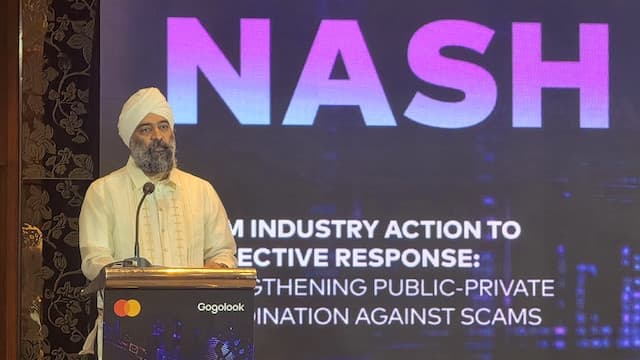
Senator Mark Villar, the law's principal author, told the briefing that "it is clear from the statistics that AFASA has borne clear results," adding that victims now have a better chance of recovering what they lost.
Why the two verdicts differ
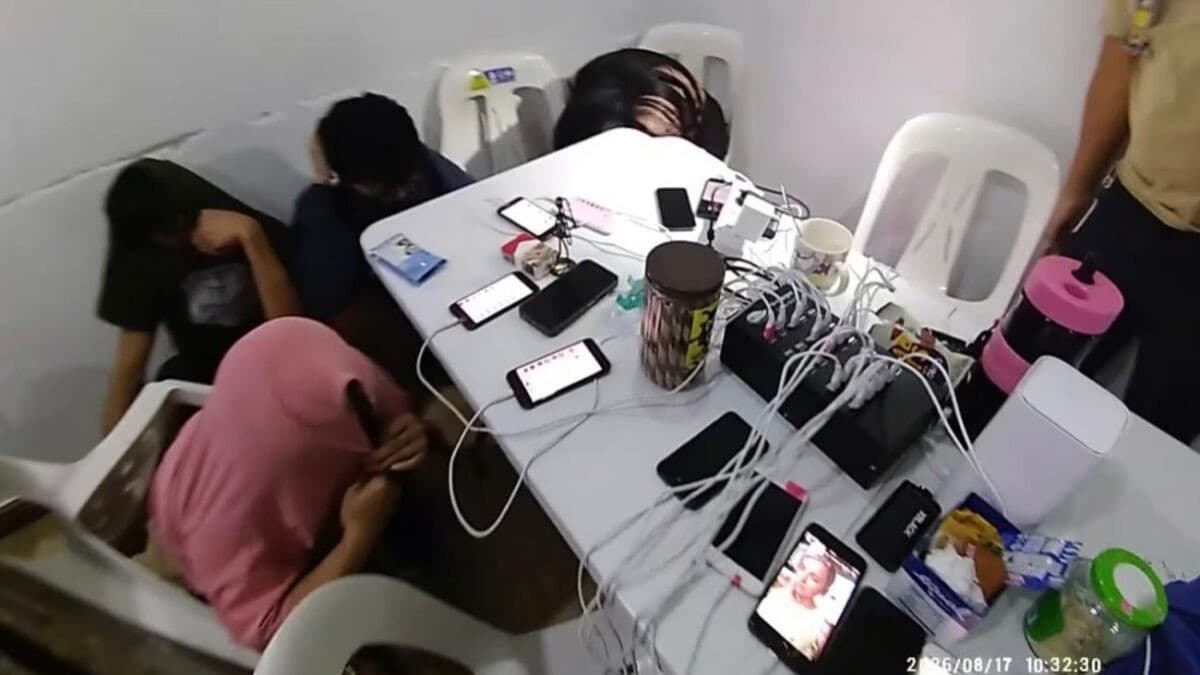
The split verdict makes sense once you look at what each law targets. The SIM Registration Act tried to attack scams at the messaging layer — forcing SIM cards to be tied to real identities — and scammers adapted with fake registrations and offshore operations. AFASA goes after the money instead: the mule accounts where stolen funds land. Freezing and examining accounts quickly is what determines whether a victim's money can still be recovered.
That is also why the BSP's next moves lean the same direction. A draft BSP rule would require national ID verification at banks and e-wallets, and the Anti-Money Laundering Council now uses AI to screen suspicious transactions. The account layer, not the SIM layer, is where the anti-fraud fight is being won.
What this means if you get scammed
For ordinary users, AFASA changes what to do after the worst happens. Report fast — to your bank or e-wallet first, then to the PNP-ACG. The BSP's account-examination powers work best when the trail is fresh, and the 447-of-527 clearance rate suggests reported cases are no longer dead ends. The case decline is real but partial: 4,509 cases in six months still means roughly 25 reported scam cases a day, and those are only the ones victims bothered to report.