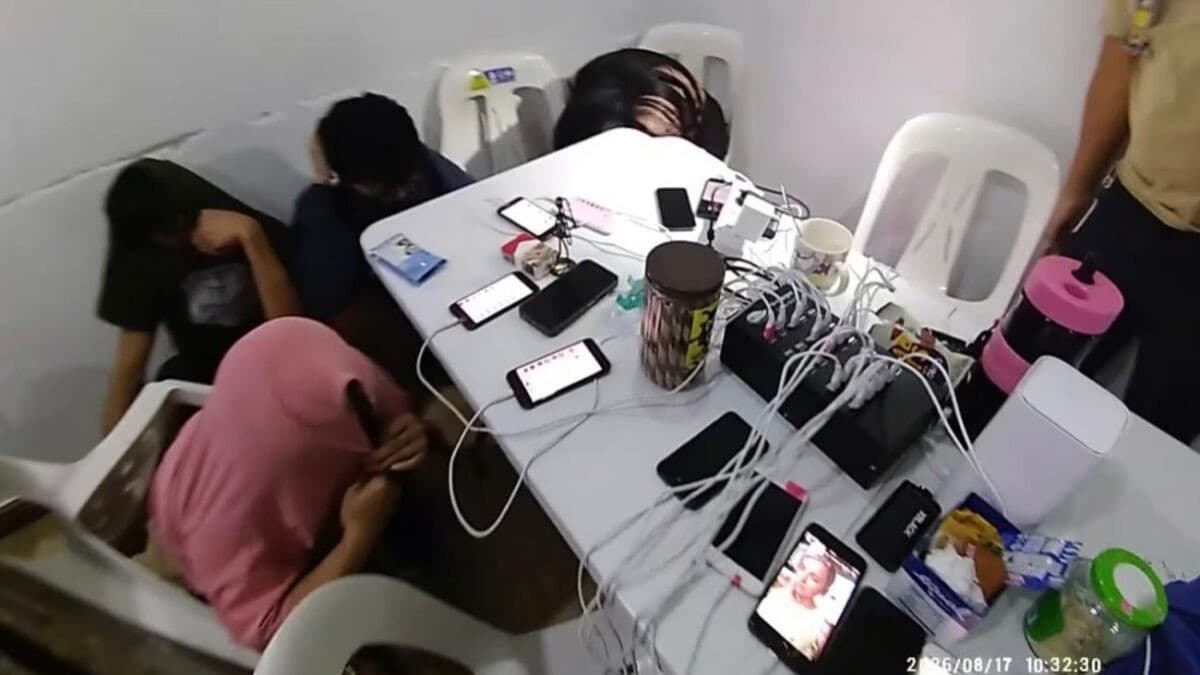
The National Bureau of Investigation (NBI) has dismantled another online scam operation in Parañaque City, arresting 12 people — one Malaysian national and 11 Filipinos — in a raid at a residence inside Multinational Village. The suspects allegedly ran love scams, financial fraud, intimidation, and extortion schemes behind fake social media profiles, the NBI announced on August 21.
How the fake-profile scheme worked
Agents moved in on August 17 after intelligence reports pointed to computer-related fraud being run out of the residential address. According to investigators, the group used fake profiles to win victims' trust, harvest their personal information, and then leverage that data to extort or steal money.
"They're using fake profiles to get data from their victims. And they'll use it to scam, to get large sums of money," NBI Director Melvin Matibag said.
The combination matters: a love scam alone tricks a victim into sending money, but paired with stolen personal data, the same operation can escalate into intimidation and extortion — pressuring victims with the very information they handed over.
What agents seized
Armed with a search warrant issued by the Parañaque Regional Trial Court, NBI operatives seized computers, laptops, and multiple mobile phones from workstations set up inside the property — the tools allegedly used to run the fake accounts and manage conversations with victims.
The charges
The 12 suspects face charges of computer-related forgery, an offense under the Cybercrime Prevention Act, plus unauthorized processing of personal information and sensitive personal information under the Data Privacy Act of 2012. In plain terms, the data privacy charges cover collecting and using victims' personal details without their consent — the core of the fake-profile playbook.
Parañaque's scam-hub problem
This is not an isolated bust. In April, the NBI's Special Action Unit raided a Parañaque condominium and arrested 48 people — 41 Filipino women and 7 foreign nationals — allegedly running love scams, "pig butchering" schemes, and cryptocurrency investment fraud. That operation found pre-written scripts designed to guide fraudulent conversations, evidence of an organized, call-center-style fraud floor, with victims directed to move money through cryptocurrency wallets.
A month later, the same unit arrested 17 more people on the third floor of a house on Patmos Street — inside the same Multinational Village subdivision as the August raid. That syndicate targeted victims in the United States, Bangkok, and Europe through dating apps and messaging platforms, and agents seized a computer running an "AI SWAP 2" deepfake application used to fake video identities. The suspects were charged under Section 4(b)(2) of the Cybercrime Prevention Act of 2012.
The August raid — the third major bust in Parañaque this year — suggests smaller cells are still operating in the area even after the larger hubs were taken down, and that operators keep returning to the same residential subdivisions where a scam floor can hide behind an ordinary address.
How to spot this scam
The modus described by the NBI starts with an unsolicited friend request or message, often from an attractive, foreign-based profile, followed by fast-moving emotional rapport. Be wary of new online contacts who quickly ask for personal details, photos, IDs, or money — especially anyone steering you toward cryptocurrency transfers or "investment opportunities." Remember that information handed to a stranger can be used against you later, whether for theft or extortion.
Suspected scam accounts can be reported to the NBI Cybercrime Division. The PNP has likewise stepped up its own cyberpatrols against online fraud and abuse.