The Philippine national ID is about to become the backbone of age and identity checks on Facebook and Instagram. The Cybercrime Investigation and Coordinating Center (CICC) says Meta will verify Filipino users against the Philippine Identification System (PhilSys) through a government-controlled API — a software bridge that answers only "match" or "no match" — and a technical working group starts work in mid-September to finalize how it will run.
How the PhilSys match-or-no-match API works
Under the design described by CICC Executive Director, Undersecretary Renato Paraiso, Meta sends a national ID or reference number to the Philippine Statistics Authority (PSA) for checking. The PSA answers only whether that number matches its records. Meta never sees the name, birth date, address, or any other data behind it.
"We are not giving Meta access to the information contained in our database," Paraiso said in remarks carried by The Manila Times. "The purpose is simply to verify, while the personal data remains with the government."
That design matters because it separates verification from data sharing. The check is meant to confirm two things: that an account belongs to a real, identifiable person, and that the person is old enough for the content they can reach. The government keeps custody of the underlying records the whole time.
Who sits in the working group
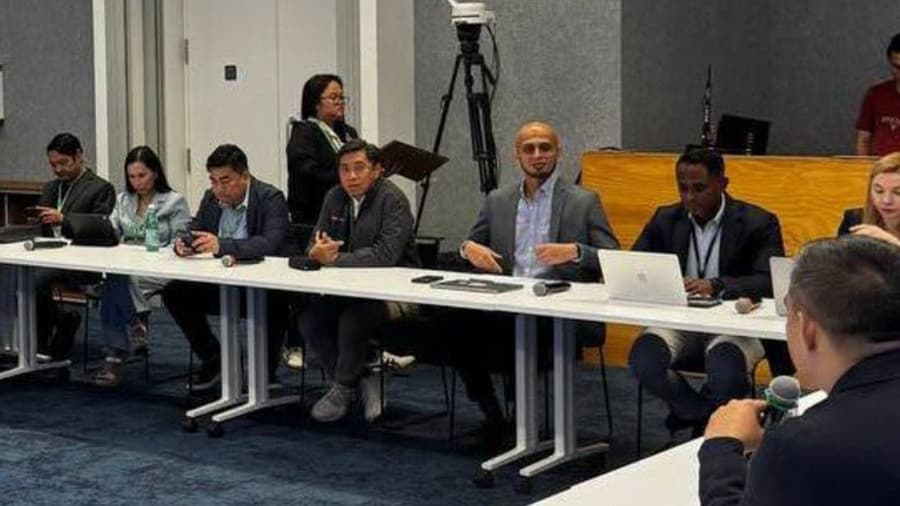
The technical working group that convenes in mid-September brings Meta together with a wide slice of the Philippine government: the Department of Information and Communications Technology (DICT), the National Privacy Commission (NPC), the National Telecommunications Commission (NTC), the National Bureau of Investigation (NBI), the Philippine National Police (PNP), the Department of Education (DepEd), and the Department of Social Welfare and Development (DSWD).
The group's job is to finalize the technical specifications of the API and the privacy safeguards around it. The NPC's seat at the table is the clearest signal that data protection questions — what gets logged, who can query, and how consent works — still have to be answered before anything goes live.
The verification is expected to apply across Meta's apps, including Facebook, Instagram, Messenger, Threads, and WhatsApp.
From ban threats to actual plumbing
This announcement is the concrete next step in a pressure campaign that has been building all year. The CICC earlier studied a possible Facebook ban over slow takedowns of violent content, before the government ruled out a ban and formed a working group with Meta instead. Roblox has already committed to PhilSys age checks of its own, and the Senate is separately weighing a 16-year minimum age for social media. The standoff between regulators and platforms is now producing verification infrastructure rather than threats.
What this means for Filipino users
If the integration ships as described, the national ID becomes the age gate for the platforms most Filipinos use every day. Officials frame the goals as keeping minors away from harmful content, cutting down fake accounts, and making it harder for anonymous profiles to run scams — long-standing complaints against Meta's platforms in the Philippines.
The open questions are just as important. Neither Meta nor the PSA has said whether verification will be mandatory for existing accounts, what happens to users who are not yet registered in PhilSys, or when the checks would actually switch on. Those details are exactly what the mid-September working group is supposed to settle, so expect the real shape of the system — including its privacy rules — to emerge from that process.