The short version: a bill that would bar Filipinos under 16 from holding social media accounts has cleared committee and is now up for debate by the full Senate. Senate Bill 2424, the proposed Child Online Safety and Protection Act, was endorsed to the plenary by the Senate committee on public information and mass media, with committee chair Senator Robinhood Padilla sponsoring the measure and Senate President Win Gatchalian signing on as co-sponsor.
If it becomes law, every platform serving the Philippines would have to keep users under 16 out — making this the most direct regulatory consequence yet of the government's push to hold platforms accountable for what happens to children online.
What the bill requires
SB 2424 sets 16 as the minimum age for social media use in the Philippines. Platforms would have to run "age-assurance systems" to stop children below that age from creating or keeping accounts. They would also need to block minors from getting around the rule by creating duplicate accounts or reactivating old ones. Providers that fail to comply would face penalties, though the specific amounts have not yet been detailed in public reporting.
The committee consolidated several related proposals filed earlier in the year before endorsing the measure to the floor.
Age checks without ID uploads
A notable design choice: the bill calls for behavior-based age assurance rather than mandatory ID submission. Platforms would estimate age from signals in how an account behaves, instead of requiring every Filipino user to upload a government ID. Lawmakers framed this as a way to stay within the Data Privacy Act — forcing millions of users to hand IDs to foreign platforms would create its own privacy risk.
That contrasts with the government's separate agreement with Roblox announced the same week, under which officials will explore voluntary PhilSys-based verification with a single platform rather than mandate ID checks across the board.
Who is exempt
The measure does not cover everything with a login. Educational platforms — including those certified by the Department of Education, the Commission on Higher Education, and TESDA — are excluded, RMN reported. Private messaging apps are also outside the bill's scope. The target is social media feeds and their recommendation systems, not schoolwork or family group chats.
Why lawmakers are moving now
Sponsors cited research that more than a third of young people globally have experienced cyberbullying — and that in the Philippines, nearly half of teens aged 13 to 17 report the same. Padilla has said the goal is a safer and more responsible digital future for the youth, not taking technology away from them.
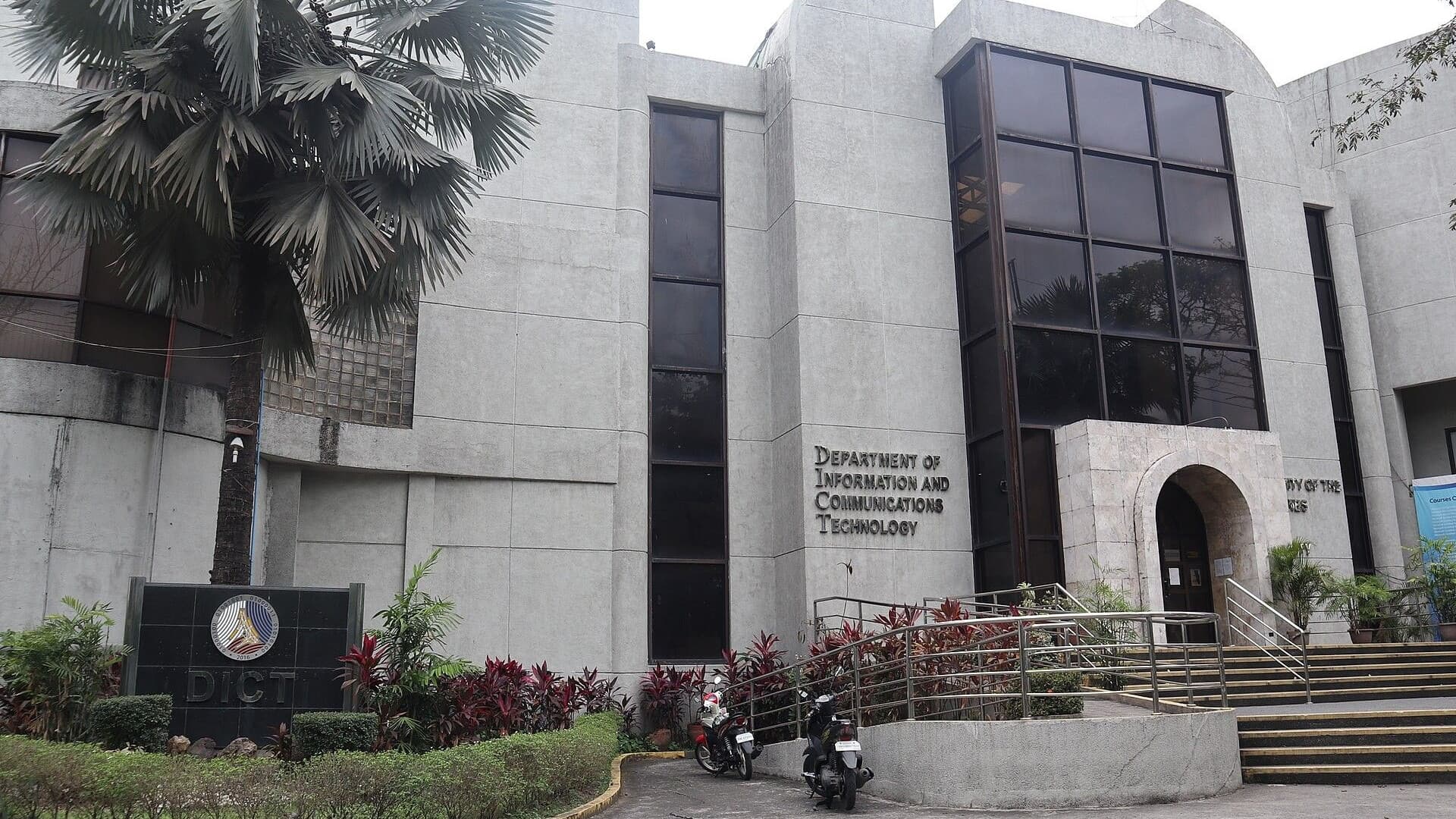
The bill also rides a wider wave. New Zealand moved to ban under-16s from social media with heavy fines, Australia's ban is already in force, and at home the CICC has asked Congress for jurisdiction over social media platforms while DICT and Meta have formed a working group on harmful content. SB 2424 is the Philippines' own binding version of that global trend.
What happens next
Plenary debate is where bills get amended, stalled, or passed, so the final shape of the age-assurance requirement — and the penalties — can still change. There is no counterpart law yet; a House version would also need to pass before anything reaches the President's desk. For now, no Filipino teen is losing an account tomorrow. But with the Senate President co-sponsoring and committee approval done, the proposal has more momentum than any previous attempt to set a social media age limit in the country.