Skip to content

CICC Asks Congress for Jurisdiction Over Social Media and Streaming Platforms

The CICC told a Senate panel it needs legal jurisdiction over social media, messaging, gaming, and streaming apps after a school shooting was livestreamed.

Argal
Argal
3 min read
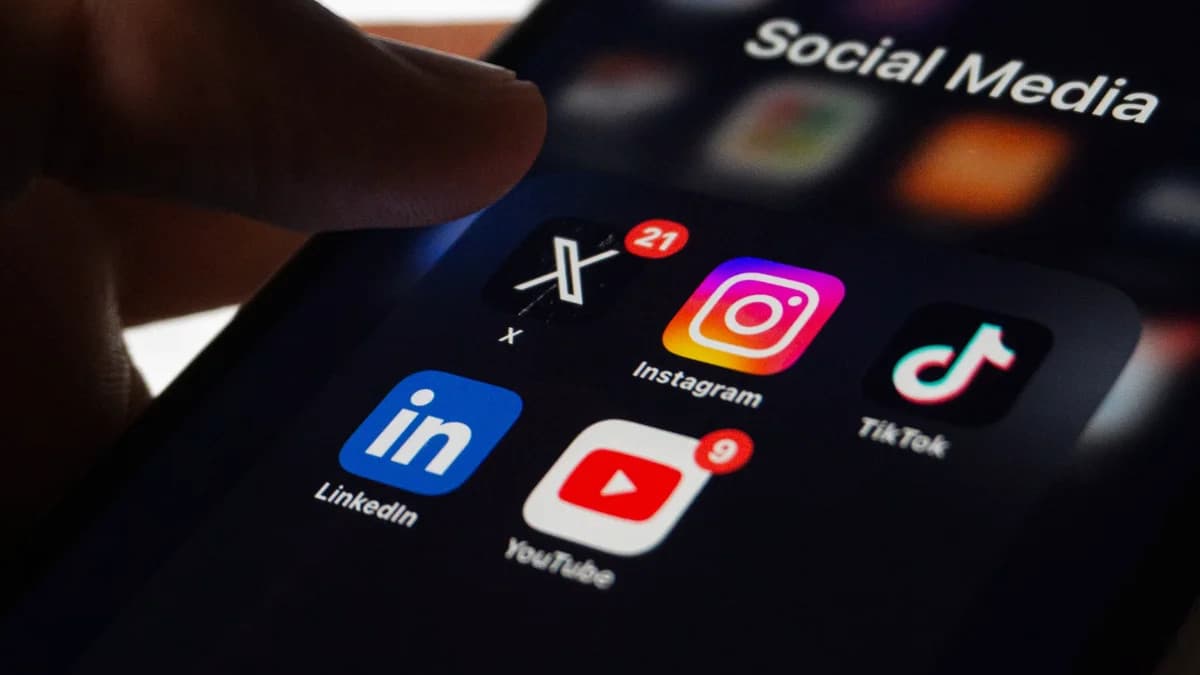
Social media apps
Social media apps, which the CICC wants placed under Philippine jurisdiction. Photo: Technobaboy

The Cybercrime Investigation and Coordinating Center (CICC) wants Philippine authorities to have clear legal jurisdiction over social media, messaging, gaming, and streaming platforms, telling senators that investigators are currently at the mercy of the platforms' own community rules.

Key Takeaways

  • The CICC asked lawmakers for jurisdiction over social media, messaging, gaming, and streaming platforms at a Senate hearing on August 20.
  • The agency says it can only get harmful content taken down by citing a platform's own community standards, not Philippine law.
  • The push follows the August 18 shooting at Ateneo de Zamboanga University, which was livestreamed on Facebook.
  • Officials also want the 2012 Cybercrime Prevention Act updated, and senators floated expanding the anti-OSAEC framework to cover violent extremism.

'We're reliant on their community standards'

CICC Executive Director Undersecretary Renato Paraiso laid out the problem at a hearing of the Senate Committee on Women, Children, Family Relations and Gender Equality on the proposed Child Online Safety and Protection Act. "The solution lies in acquiring jurisdiction over the platforms because right now, we're reliant on their community standards," Paraiso said, as quoted by BusinessWorld.

Because most platforms operate from outside the country, the CICC's only lever for removing harmful material is to report it as a violation of the platform's own guidelines. Paraiso said that is exactly what happened after the shooting inside Ateneo de Zamboanga University on August 18, which left two students dead — the gunman among them — and, according to the Zamboanga City police count cited by BusinessWorld, injured two others. The attack was livestreamed on Facebook. Meta granted the takedown request, but committee chair Senator Risa Hontiveros noted the company was nine minutes late in cutting the live footage, time enough for copies to spread.

Hontiveros pressed Meta to do more, saying the platform should not leave the cleanup of violent viral content to the CICC, Filipino Times reported. She warned against relying purely on the voluntary policies of tech companies.

A 2012 law for a 2026 internet

The CICC's mandate flows from the Cybercrime Prevention Act of 2012 — written before TikTok existed and before livestreaming became a default feature of every major app. Paraiso told the panel the law is outdated: amendments could expand the mandates of agencies involved in cybercrime investigations, while new legislation could settle which government body has authority over which type of online platform.

Senators also discussed the country's anti-OSAEC framework (the law against online sexual abuse and exploitation of children) as a model. Hontiveros suggested expanding it so its tools could also be used against nihilistic violent extremism (NVE), the online subculture investigators have linked to recent school violence. Streaming services drew specific attention: unlike cinemas, which are subject to ratings and regulation, streaming platforms let children reach unfiltered content with no equivalent oversight.

What this could mean for Filipino users

Nothing changes yet — the CICC was asking Congress for power it does not currently have, and any jurisdiction grant would need new legislation. But the direction is clear: pressure on platforms operating in the Philippines is building from several agencies at once, from the PNP's stepped-up cyberpatrols to DOLE's work-permit rules for child vloggers. If a platform-jurisdiction bill advances, expect debates over age verification, content takedown deadlines, and how far Philippine law can reach into apps run from abroad — the same questions now being fought over in other countries' online safety laws.

Argal

Argal

@clurky

Clurky is a Philippine tech news site owned and run by Argal, a Philippines-born software developer based in Singapore with a Computer Science background. He covers Philippine tech, fintech, and digital services - from gadgets and AI to software and security - along with evergreen guides and explainers, all with a builder's eye for how these systems actually work. Every article is fact-checked against primary sources.

236 posts

Comments

Join the conversation

Sign in to leave a comment and reply to others.

Sign in
Loading comments...