The SMART KIDS Act cleared the Philippine Senate on third and final reading on October 8, with 16 senators voting yes, one voting no, and no abstentions. Senate Bill No. 2424 — formally the Safe Media Access and Responsible Technology for Kids in Digital Spaces Act, sponsored by Senator Robinhood Padilla — would bar anyone under 18 from creating or using accounts on platforms classed as high-risk digital services. The measure is not yet law: the House of Representatives is still working on its own version, and the two chambers must agree on a final text before it reaches the President.
Notably, the age line moved up during deliberations. Daily Tribune's report on the vote notes the bill originally proposed a minimum age of 16, which senators raised to 18 in the final version.
What the SMART KIDS Act requires
The bill creates a framework for identifying which digital services count as high-risk. Platforms that land on that list would have to:
- Stop under-18s from creating accounts or using the service
- Run age-assurance checks to verify how old users are
- Suspend, restrict, disable, or remove accounts reasonably believed to belong to or be used by minors
- Put safeguards in place against harmful online content and activities
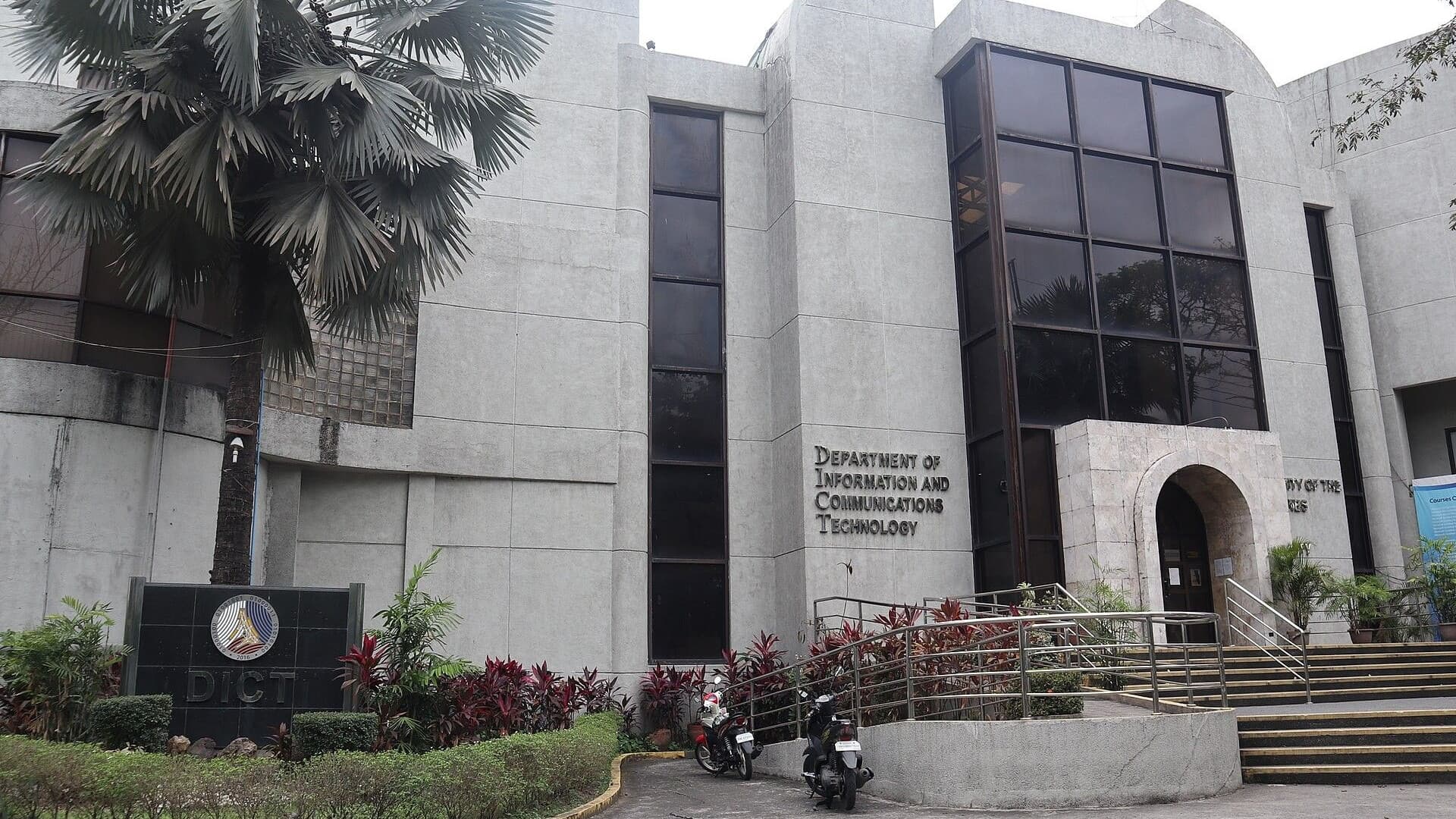
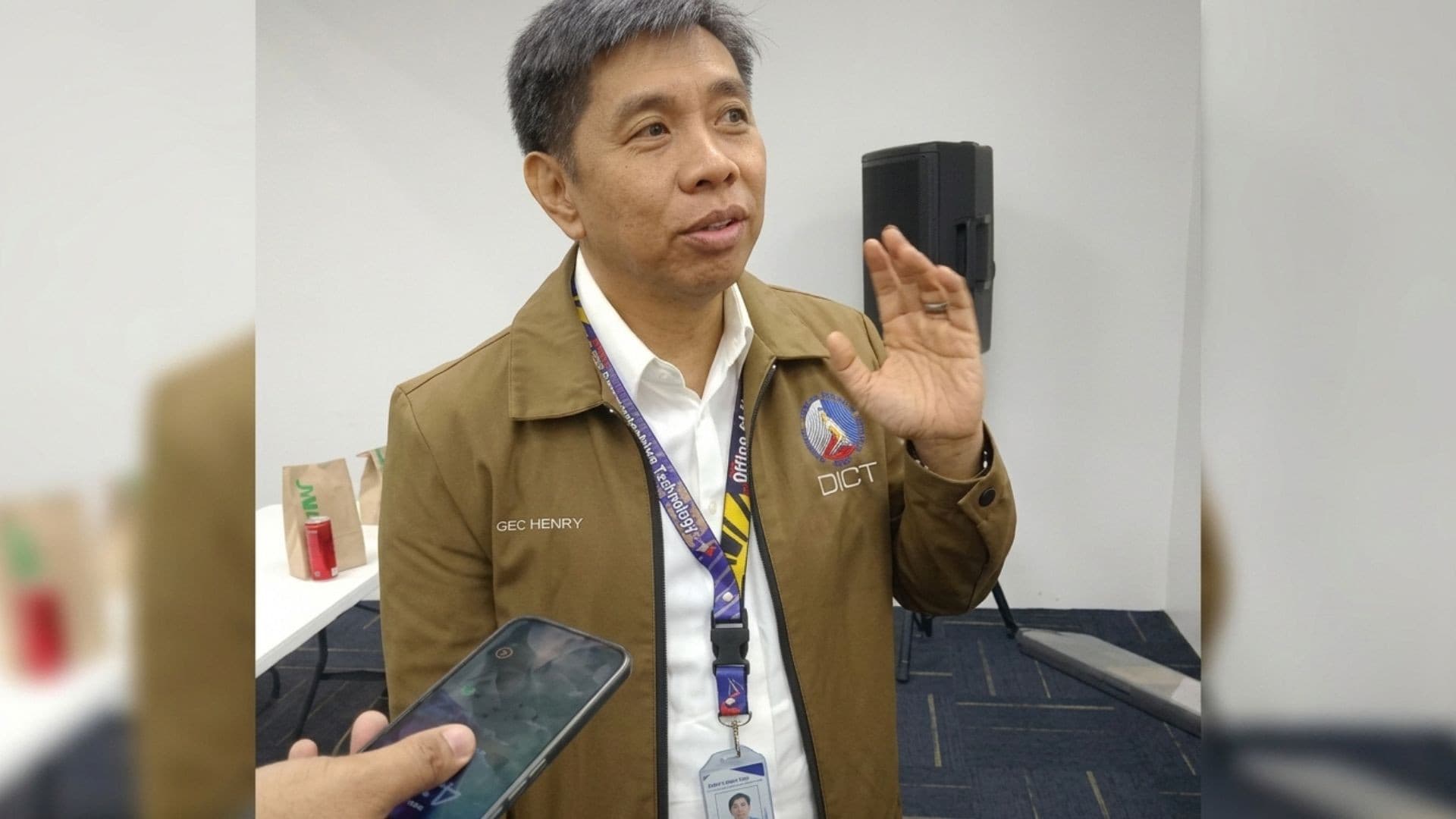
The Department of Information and Communications Technology (DICT) would implement the law and run a public reporting platform. Complaints about harmful content that need urgent action would be escalated to the platforms for faster handling.
Which platforms are covered — and which are not
The restriction targets "high-risk digital services," a category that could cover large social platforms serving Filipino minors, with services like Meta's apps and Roblox cited in coverage as examples whose inclusion would depend on how they are classified. The bill spells out what is exempt: email, private messaging apps, online games not primarily used for social networking, educational platforms, news services, and professional collaboration tools.
Fines of up to ₱20 million per violation
High-risk providers that break the rules face fines reported at ₱5 million to ₱20 million per violation, plus ₱100,000 for each day of continued noncompliance. The Daily Tribune describes the penalty band as ₱1 million to ₱20 million per offense and says it also covers age-verification providers and even government agencies that violate the law's provisions — a detail worth watching when the final enrolled text is published.
Parents and guardians are on the hook too: knowingly helping a minor get around the age checks can mean a fine of up to ₱50,000, or community service plus mandatory digital parenting and child safety programs.
The lone no vote
Senator Risa Hontiveros cast the only dissenting vote, arguing that an outright ban is not the answer. She warned that a blanket ban could cut off income that young Filipinos earn through online selling, content creation, and virtual assistant work; make it harder for children of overseas Filipino workers to stay in touch with their parents abroad; and limit a child's ability to report abuse and exploitation. "The issue is how we can effectively protect them," she said, pushing instead for stricter safeguards, algorithm controls, and platform accountability.
Why senators moved now
The vote follows a string of school shootings carried out by enrolled minors this year — at San Jose National High School in Tacloban in June, Ateneo de Zamboanga University in August, and Banga National High School in South Cotabato in September — which lawmakers have linked to online exposure and groups that radicalize children. The Senate action lands on top of a wider push covered here before, from a DILG proposal for an Australia-style ban on under-16s to Senator Lacson's call to make the national ID the default age check.
If enacted, the Philippines would join Australia, Indonesia, and Malaysia in setting a statutory minimum age for social media, while the European Union has announced plans to do the same.
What happens next
The House passed its counterpart bill on second reading earlier the same week — but with a much lower minimum age of 13. That gap between 18 and 13 will have to be settled before any version becomes law, most likely in a bicameral conference committee once the House completes its own final reading. Only after both chambers ratify a reconciled text does the bill go to the President for signature. For now, nothing changes for Filipino teenagers — but the direction of both chambers is clear: some form of statutory age limit for social media is coming.