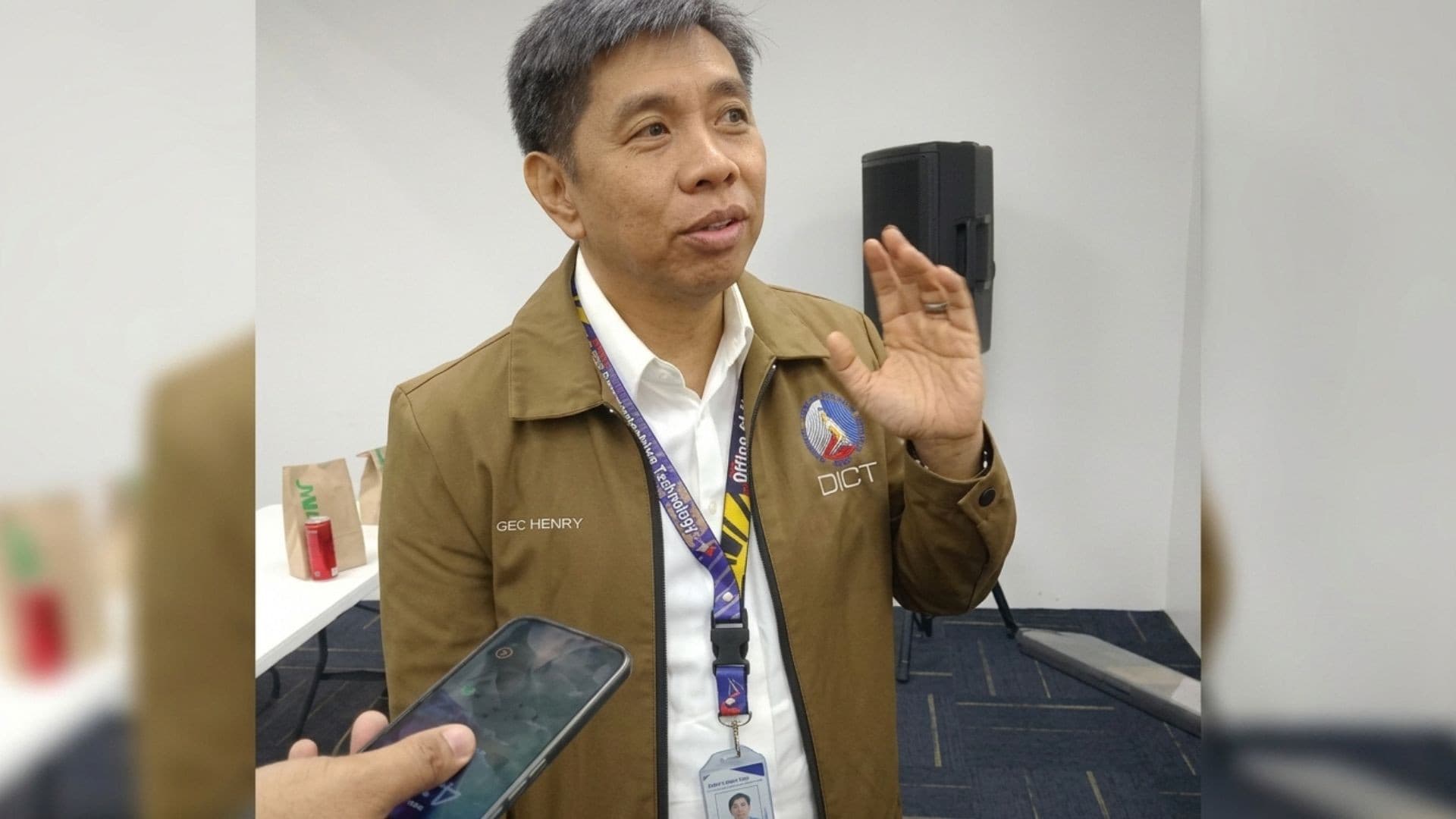
"If Big Tech wants access to the ASEAN market, accountability to ASEAN governments, and protection of ASEAN citizens must come with that access." That is how DICT Secretary Henry Aguda framed the Philippines' next move in its long-running standoff with major platforms — no longer a national negotiation, but a regional one. Aguda said on September 3 that the Philippines will push for ASEAN-wide rules holding Big Tech accountable for scams, harmful content, AI deepfakes, and child safety, arguing that no single Southeast Asian country can fight cross-border digital threats alone.
The announcement, made through the Philippine News Agency and carried by regional outlets, positions the Philippines as the lead voice on platform regulation during a year when it holds the ASEAN chairship — and when its own confrontations with Meta and Roblox have produced the template it now wants its neighbors to adopt.
What the DICT wants ASEAN to adopt
The Department of Information and Communications Technology (DICT) wants member states to set common rules — and faster, coordinated responses — covering the issues Manila has spent months pressing platforms on:
- Scams and fraudulent advertisements
- Harmful content and misinformation
- AI-generated deepfakes
- Child sexual abuse material and child safety measures, including age verification and parental controls
- Cybercrime response and quicker takedowns
Aguda's leverage argument is demographic: ASEAN's roughly 700 million people are a market no global platform can afford to lose. Acting as a bloc, he argued, turns market access itself into the enforcement mechanism.
Where it happens: two October meetings in Metro Manila
The proposal gets its first formal airing at two events hosted under the Philippines' 2026 ASEAN chairship: a ministerial roundtable titled "AI: A Boon or Bane for Information and Media Cooperation" on October 9 to 10 in Metro Manila, and the ASEAN Senior Officials' Meeting on Harnessing New Media for a Stronger ASEAN Narrative on October 15 to 17. Hosting both gives the DICT the agenda-setting seat: it decides what lands on the table, and it will be pushing the accountability framework at each.
From national pressure to regional policy
The announcement is the newest step in an escalation that has run since August. The government floated — then ruled out — a Facebook ban before agreeing with Meta to form a working group on harmful content. Roblox, meanwhile, committed to PhilSys-based age checks and a Philippine office after talks with regulators. Aguda's recent meetings with Meta and Roblox in Singapore produced similar promises: Meta committed to closer work with Philippine authorities on harmful content, child exploitation, deepfakes, and cybercrime, while Roblox agreed to strengthen age verification and parental controls.
What the ASEAN push would change is scale. The conditions currently being negotiated platform by platform, country by country, would become the regional baseline — harder for any company to wave off, and harder for any single government to water down.
Why this matters to Filipino users
If ASEAN adopts even part of the framework, the protections Filipinos have been promised — faster scam-ad takedowns, deepfake response, age checks on platforms children use — would stop depending on the goodwill of individual companies and start binding them across the region. It would also harden Manila's hand in every pending negotiation: a platform that stalls here would be stalling in front of ten governments, not one. The October meetings will show whether the rest of ASEAN is willing to turn the Philippines' pressure campaign into common policy.