A bill taking shape in the Philippine Senate would make social media platforms pay — literally — for leaving graphic violence online. Sen. Erwin Tulfo is finalizing legislation that imposes escalating multimillion-peso fines on platforms that violate their own content standards, and jail time for company officials when violations keep happening.
The trigger was painfully specific: graphic footage from the August 18 shooting at Ateneo de Zamboanga University and a separate shooting at San Jose National High School in Tacloban City circulated widely on social media, and platforms were slow to take it down.
What the bill would do
As GMA News reported, the proposal sets multimillion-peso fines for a first and second offense, with imprisonment of platform officials as the penalty for repeated violations. "Kailangan million ang penalty sa mga ito," Tulfo said — for companies of this size, penalties must run in the millions to mean anything.
Tulfo has been careful to frame the target narrowly: the bill goes after content that violates victims' dignity and privacy — like footage of dead or dying students — not political speech or criticism. The legal hook is that platforms would be penalized for failing to enforce the community standards they already publish.
Later reporting on the proposal adds two more planks under discussion: requiring social media companies to establish legal entities in the Philippines, so there is someone to hold accountable locally, and strengthening law enforcement's ability to act on harmful content.
Who is backing it
Support is broad. Eighteen senators have expressed backing for the move, including Senate President Win Gatchalian, with Senators Vicente Sotto III, Joel Villanueva, Risa Hontiveros, and Raffy Tulfo among those publicly named. Senate Majority Leader Juan Miguel Zubiri has referred the proposal to the committee on public information, where the actual bill text will be worked out.
What is still undecided
Two big questions remain open. First, the exact fine amounts — "multimillion-peso" is the stated scale, but the schedule of penalties is still being drafted. Second, enforcement: lawmakers have not settled which government agency would police the violations and collect the fines, a live question given that the CICC has separately asked Congress for jurisdiction over social media platforms.
The wider Philippine crackdown
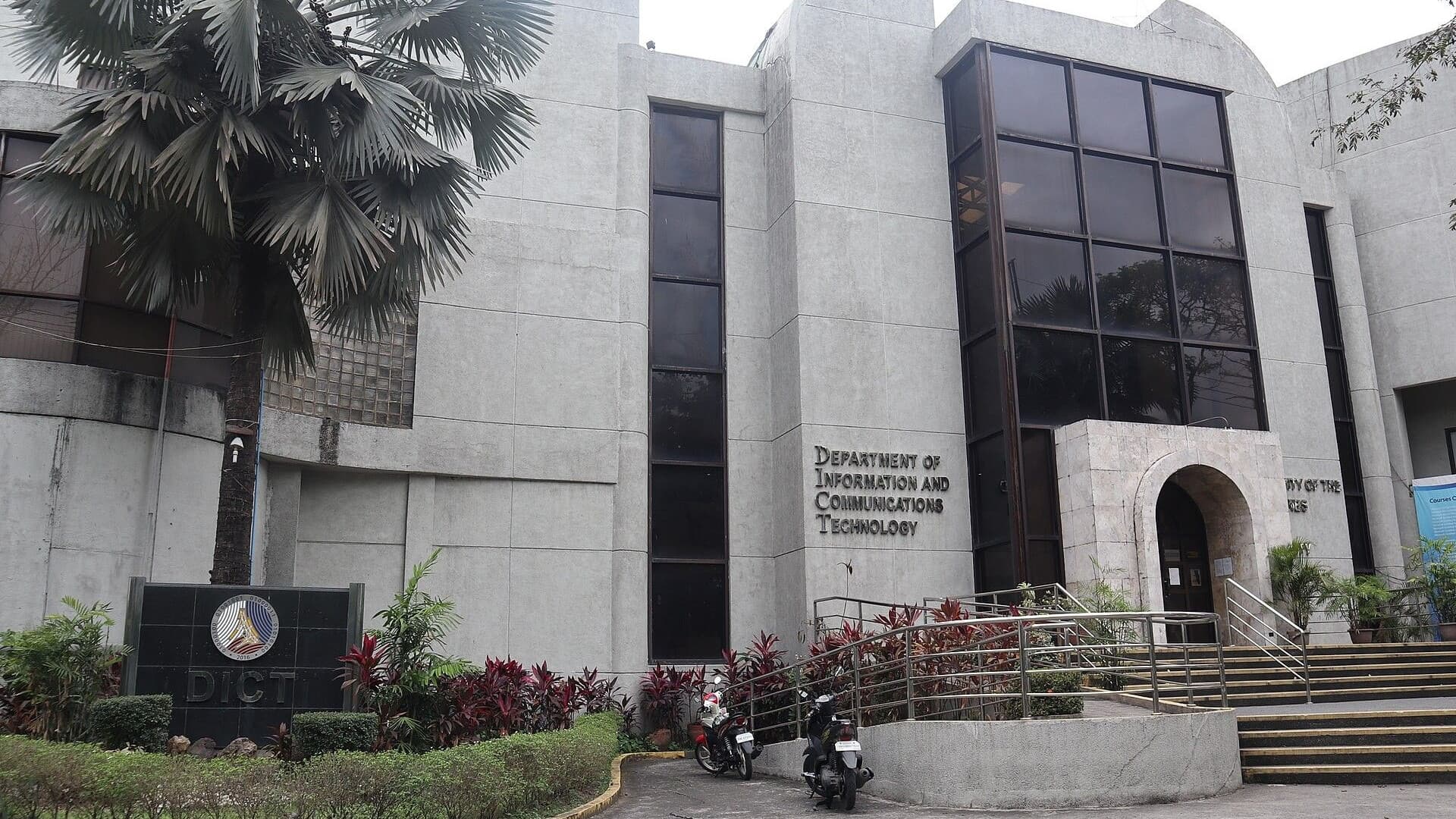
This bill is the punitive leg of a platform-accountability push that has accelerated all year. The Senate is already weighing a 16-year minimum age for social media under Senate Bill 2424. Telcos have been enlisted too, with Converge joining PLDT, Globe, and Smart in network-level blocking of violent content coordinated by DICT. And Meta itself has moved to open its first Philippine office to speed up takedowns.
Put together with the planned national ID verification on Meta's platforms, the Philippines is assembling one of Southeast Asia's most aggressive platform-liability regimes. For Filipino users, the practical stake is speed: fines and criminal exposure are designed to change how fast Facebook, TikTok, and others pull down violent content seen here. Whether that pressure survives the committee process — and constitutional scrutiny over speech — is the next thing to watch when the bill text lands.