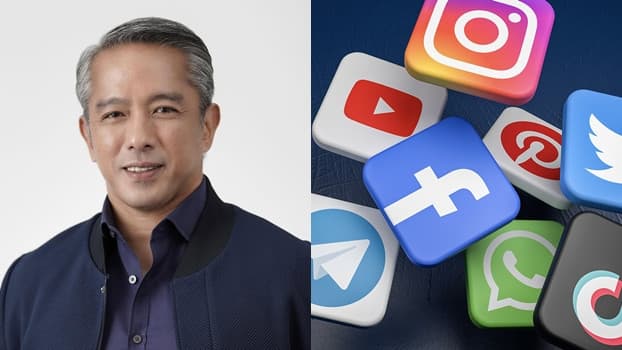
Should Facebook, TikTok and other social media platforms need a congressional franchise — the same permission slip required of TV and radio stations — before they can operate in the Philippines? That is the question House Bill 4786 has put in front of the government, and the two most important answers so far point in slightly different directions: the Department of Information and Communications Technology (DICT) is publicly behind it, while Malacañang says it sees merit but wants more study before President Ferdinand Marcos Jr. commits, The Filipino Times reported on September 27.
What HB 4786 would require
The bill, filed by Deputy Speaker David "Jayjay" Suarez of Quezon, would amend Commonwealth Act 146, the Public Service Act, to classify major social media platforms as public services of significant public consequence. In practice, that means:
- a congressional franchise before a covered platform can operate in the Philippines, the same legislative license broadcasters and telecommunications firms must secure;
- a local legal entity or branch office, with a designated representative responsible for compliance and user grievances; and
- oversight by the DICT and the National Telecommunications Commission (NTC), covering areas such as content moderation, data protection and consumer rights.
Suarez has paired the measure with his Digital Safety of Minors Act (HB 9825), which would mandate age verification and parental-consent systems. "Social media is no longer just entertainment. It shapes our democracy, our economy, and the safety of our children," he said when he introduced the bill, BusinessMirror reported. The bill's premise leans on scale: more than 90 million Filipinos use social media, spending an average of about three and a half hours on it every day, according to Journal News.
Why the bill surfaced now
The proposal gained momentum after the September 18 shooting at Banga National High School in South Cotabato, where the suspect was linked to online extremist communities. It follows a month of escalating pressure on platforms: the CICC's 24-hour ultimatum to Reddit and Discord to establish a Philippine presence, a brief nationwide Discord ban that ended with safety commitments, and the DILG's push for an Australia-style ban on social media for Filipinos 16 and under. HB 4786 is different in kind from all of these: it proposes a permanent licensing structure, not a case-by-case order.
What the DICT chief says
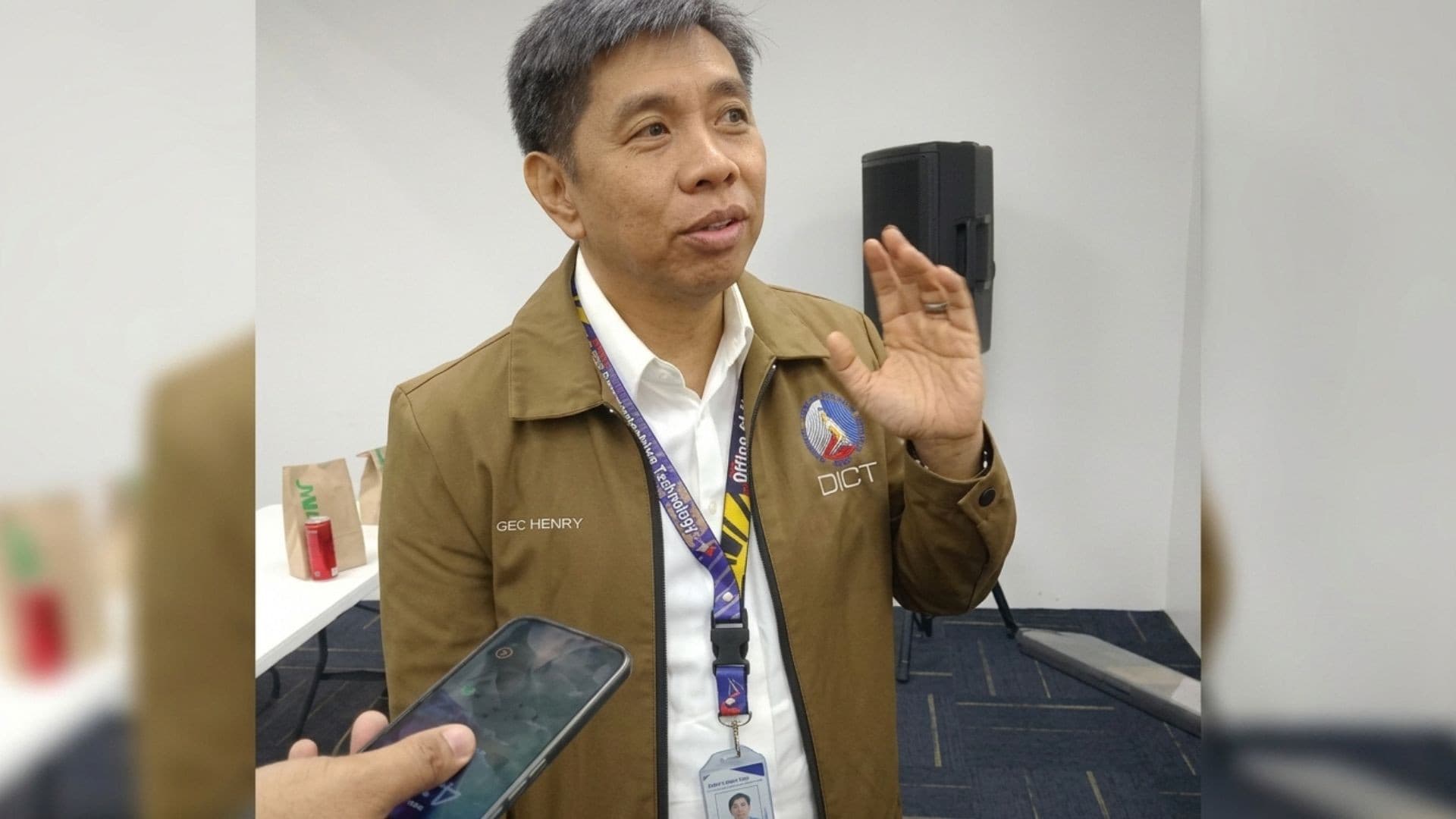
DICT Secretary Henry Aguda endorsed the bill at a press conference on September 24. He argued it is unfair to exempt platforms from standards imposed on broadcasters — who must secure franchises, pay taxes and follow reporting rules — when the platforms earn more and reach further, Philstar.com reported. Aguda framed the measure as a matter of public safety and public service, the same rationale used for licensing traditional media.
Where Malacañang stands
The Palace has not endorsed the bill. Press Officer Claire Castro said the President views it as a good proposal but one whose possible effects need to be examined first — a deliberate step short of support. At the same time, Castro warned that platforms that refuse to cooperate with the government's online-safety push would face "strong political will" in response. No timeline has been set for the bill's progress through Congress.
What a franchise regime would mean for Filipino users
If enacted, this would be the most consequential platform regulation in Philippine history: every major social network Filipinos use daily would need to secure — and keep — a legislative franchise, with a local office answerable to Philippine regulators. Supporters see enforceable accountability where today there is little. Critics' core worry is just as concrete: a franchise that Congress grants, Congress can also refuse or revoke, which puts platforms that host political speech under the leverage of the politicians they cover. As of publication, the bill is pending in the House, the Palace remains formally undecided, and no covered platform has publicly responded to the proposal.