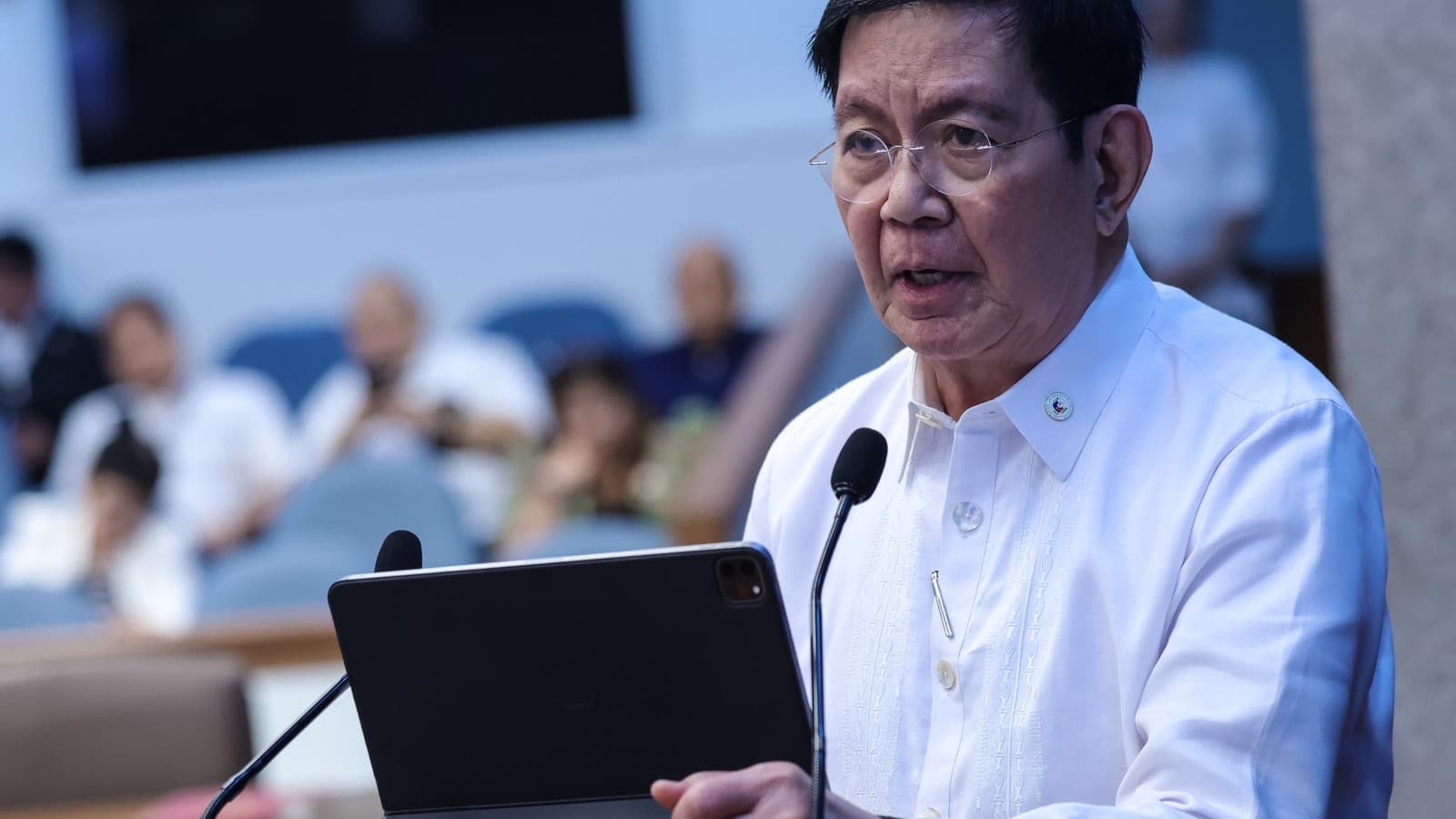
Senator Panfilo "Ping" Lacson wants the National ID to be the first thing a social media platform checks before letting a Filipino sign up. During Senate deliberations on the proposed Child Online Safety and Protection Act this week, he argued that the PhilSys ID should be the mandatory primary method for verifying a user's age — with every other method allowed only as a backup.
What the bill already proposes
Senate Bill 2424, sponsored in plenary by Senator Robinhood Padilla, would bar children under 16 from registering on social media platforms entirely. Users aged 16 to 17 would get conditional access, subject to age-assurance measures and child-safety protocols.
As written, the bill lets platforms choose among several ways of checking age: self-declaration by the user, verification through third parties, or even AI-based age estimation. That menu of options is exactly what Lacson wants to close.
"Discretion creates loopholes"
"Pag naglatag tayo ng discretion, maglilikha tayo ng butas," Lacson said during the debate — leaving the method to each platform's discretion creates holes that make the law easier to circumvent and harder to enforce, BusinessMirror reported.
His counter-proposal is simple: make the National ID the required baseline, and let platforms add other verification methods on top of it. In a statement posted on his official website, Lacson — who sponsored the PhilSys Act (Republic Act 11055) and filed his own child online safety measure, Senate Bill 40 — argued the National ID is more accurate and recognized under Philippine law. The Philippine Statistics Authority says registration now covers about 96 percent of the population, and every Filipino is assigned a PhilSys number at birth.
Keep them off until 18, teach them in senior high
Lacson also floated a stricter alternative: keep the social media prohibition in place until age 18, and use the two years of senior high school to teach structured digital literacy, so young Filipinos get unrestricted access only after they have been prepared for it.
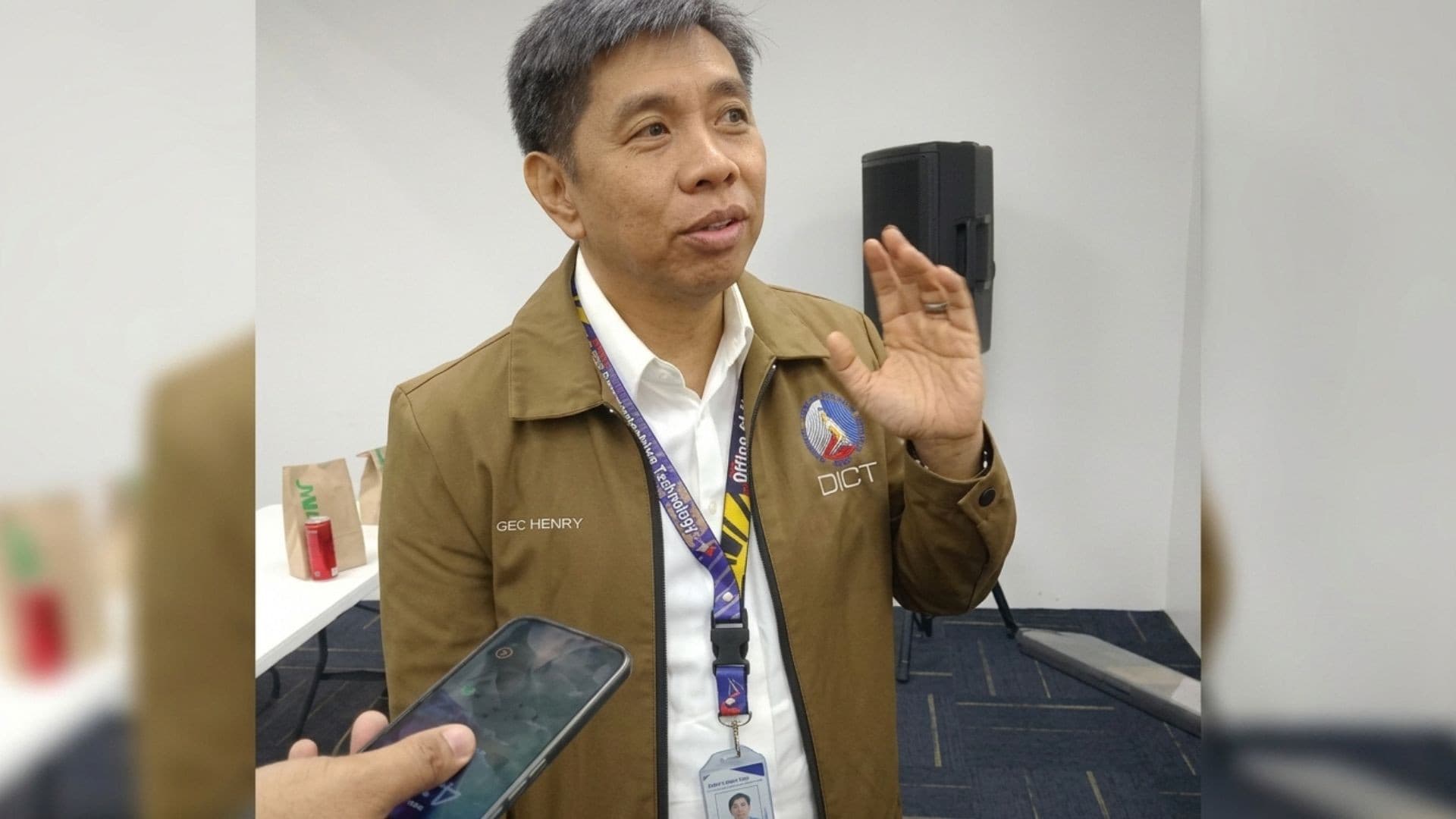
On enforcement, he proposed giving the Department of Information and Communications Technology (DICT) quasi-judicial powers — the authority to determine liability and impose administrative penalties on violators, rather than leaving enforcement to slower court processes.
Padilla, the bill's sponsor, was receptive, calling the proposed amendments "very good."
The National ID is already becoming the internet's gatekeeper
Lacson's proposal did not come out of nowhere, and the pressure is coming from more than one direction. The Philippine National Police has argued that the SIM Registration Act failed to stop scams and should be backstopped with National ID biometrics, while platforms themselves have started conceding ground on age limits — Meta settled a major teen social-media addiction case on terms that included hard caps on teen screen time. Closer to home, the PhilSys ID is steadily becoming the default identity layer for Filipino online life: Meta has agreed to verify Filipino users against the National ID through a match/no-match PSA API, and regulators have been widening the child-safety net to platforms like Roblox and Discord.
For now, this remains a proposed amendment to a pending bill, not law. But if SB 2424 passes with Lacson's change, signing up for Facebook, TikTok, or any other platform in the Philippines would start with the same card — or digital ID — that already opens bank accounts and e-wallets here. That would make the Philippines one of the strictest age-verification regimes anywhere, and it would put the National ID at the center of nearly every Filipino's online identity.