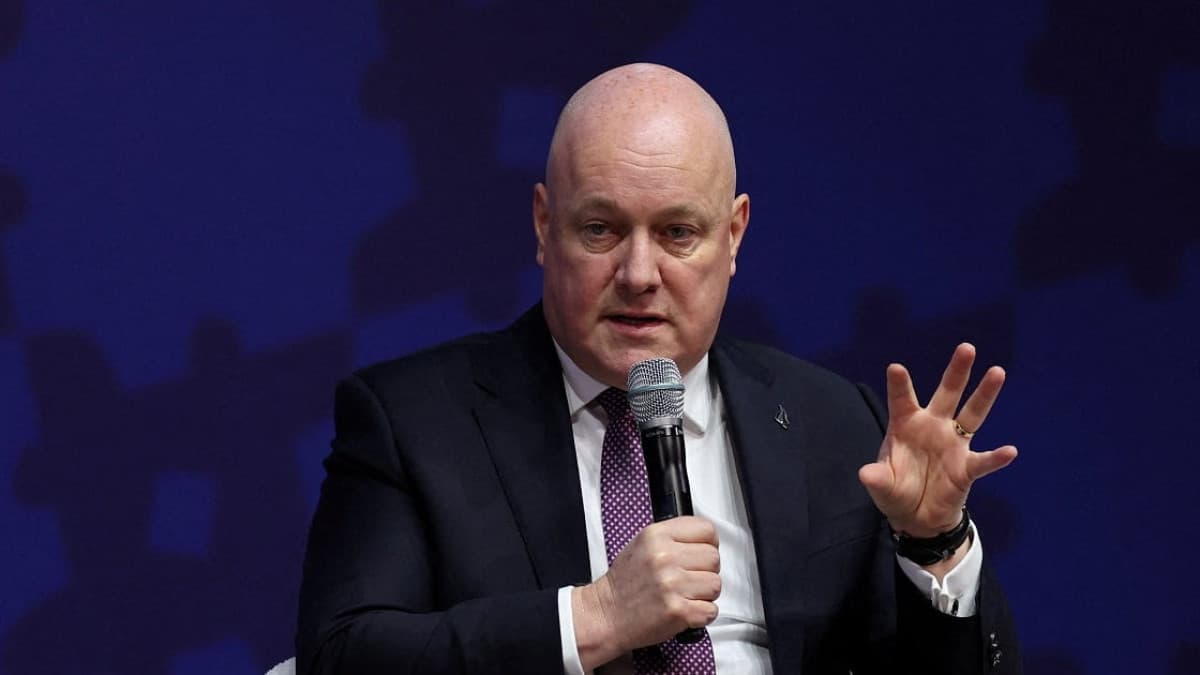
New Zealand has formally moved to ban children under 16 from social media. Prime Minister Christopher Luxon's government introduced legislation in parliament on August 24 that would force platforms to verify users' ages — with fines of up to 10% of a company's global revenue if they fail to comply.
"We simply cannot accept the harm being done to a generation of New Zealand children," Luxon said, citing government figures that one in three children aged 13 to 17 now spends at least five hours a day on social media, Euronews reported.
What the bill requires
The legislation targets platforms including Instagram, TikTok, Snapchat, and Facebook. Under the bill:
- Platforms must take "reasonable steps" to check users are over 16, using existing account information, facial age estimation, digital ID services, or formal identification
- Companies must assess the risks their services pose to young users and report on how they reduce them
- Non-compliant platforms face fines of up to 10% of global revenue
- No penalties apply to children, parents, or caregivers, Education Minister Erica Stanford confirmed — the bill, she said, places its legal obligations on the platforms themselves
The 10% figure is notable: for a company the size of Meta, a maximum fine tied to global revenue would run to billions of dollars, far beyond the fixed penalties in comparable laws.
Passage is not guaranteed
Both of Luxon's coalition partners have refused to back the bill, the Manila Times reported. New Zealand First branded Australia's version a "colossal failure," while the libertarian ACT party argues the ban simply will not work because teenagers will find ways around it. The opposition Labour party wants clarifications before committing. That leaves the bill's fate genuinely uncertain despite the government's push.
New Zealand follows Australia, whose world-first under-16 ban took effect in December 2025, with the United Kingdom and France weighing similar restrictions. Early peer-reviewed research published in June 2026 found little evidence that Australian teens actually abandoned social media after the ban — the core argument skeptics keep returning to.
Where the Philippines stands
The debate is directly relevant here, because Philippine lawmakers are drafting their own version. House Bill 9825, the Digital Safety of Minors Act filed by Deputy Speaker David "Jay-Jay" Suarez, would mandate privacy-preserving age assurance at account creation and periodically after, require parental consent for users below 16, ban behavioral and targeted advertising to under-18s without explicit consent, and impose fines of up to ₱100 million — or suspension, even permanent revocation, of a platform's Philippine operations.
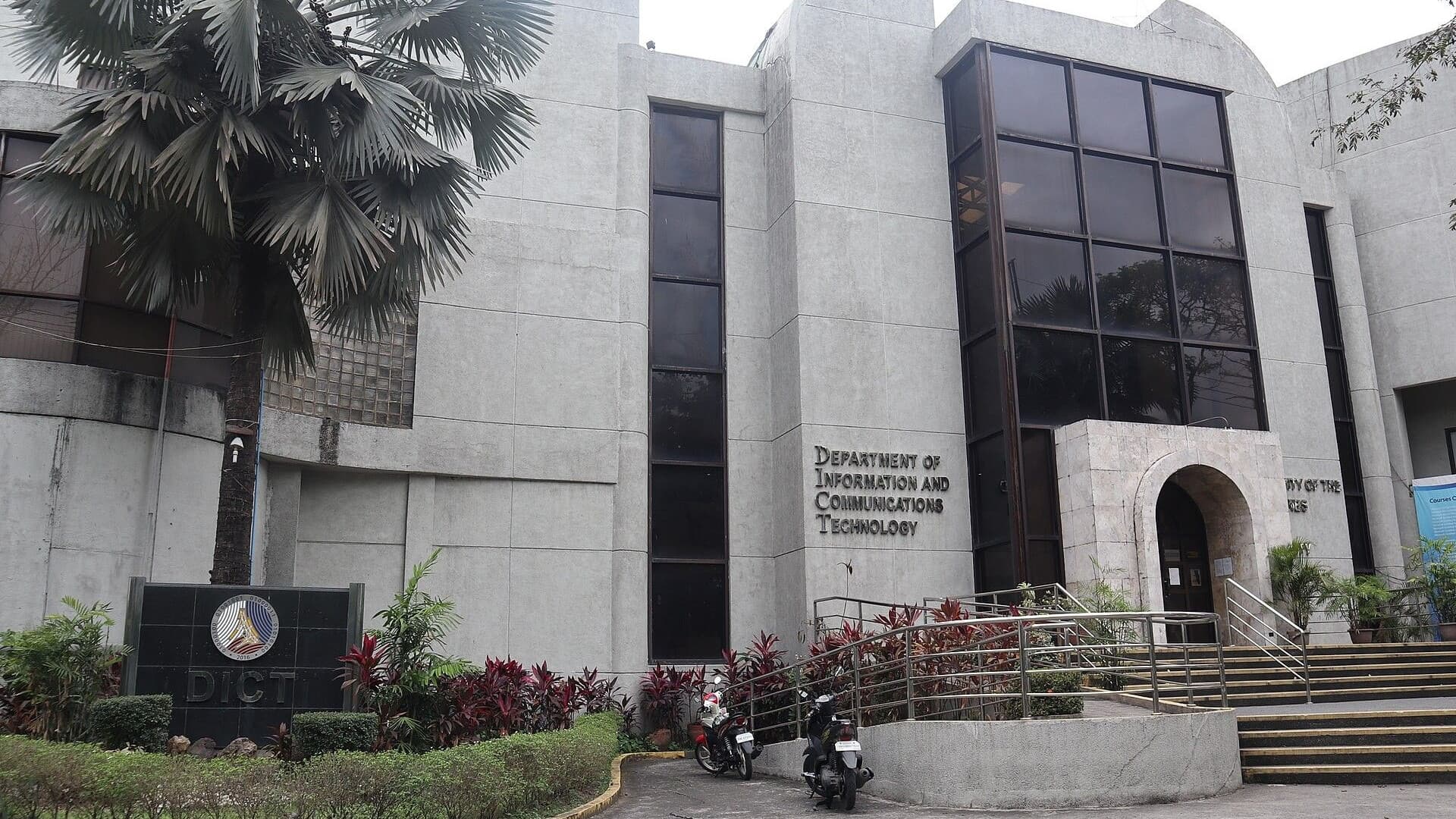
Regulators are pressing from the other side too. The Cybercrime Investigation and Coordinating Center has asked Congress for jurisdiction over social media platforms and has even floated a possible Facebook ban over slow takedowns of harmful content, while abroad, TikTok just agreed to a $400 million (around ₱24.7 billion) settlement of a US children's privacy case — evidence that child-safety enforcement against platforms is escalating on every front.
In one of the world's heaviest social media-using countries, whatever enforcement model survives in Wellington — facial age estimation, digital ID checks, revenue-based fines — will be studied closely in Manila. If New Zealand's parliament passes the bill, it becomes the template Philippine legislators are most likely to copy next.