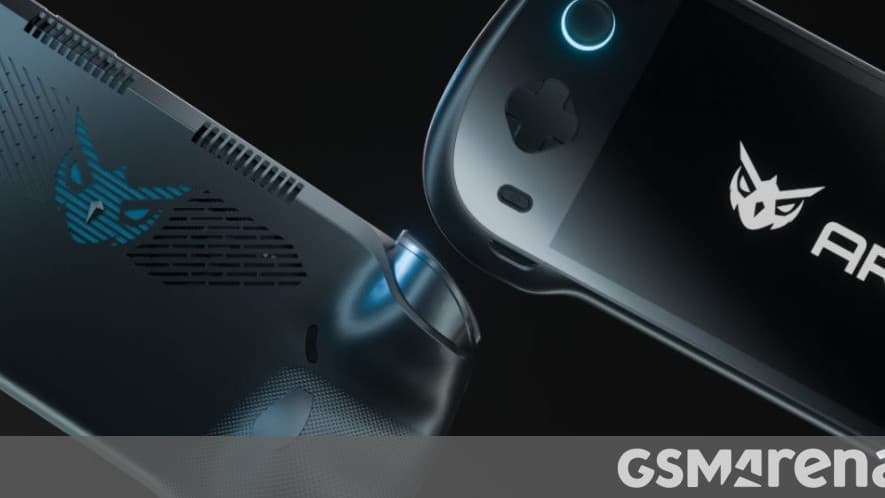
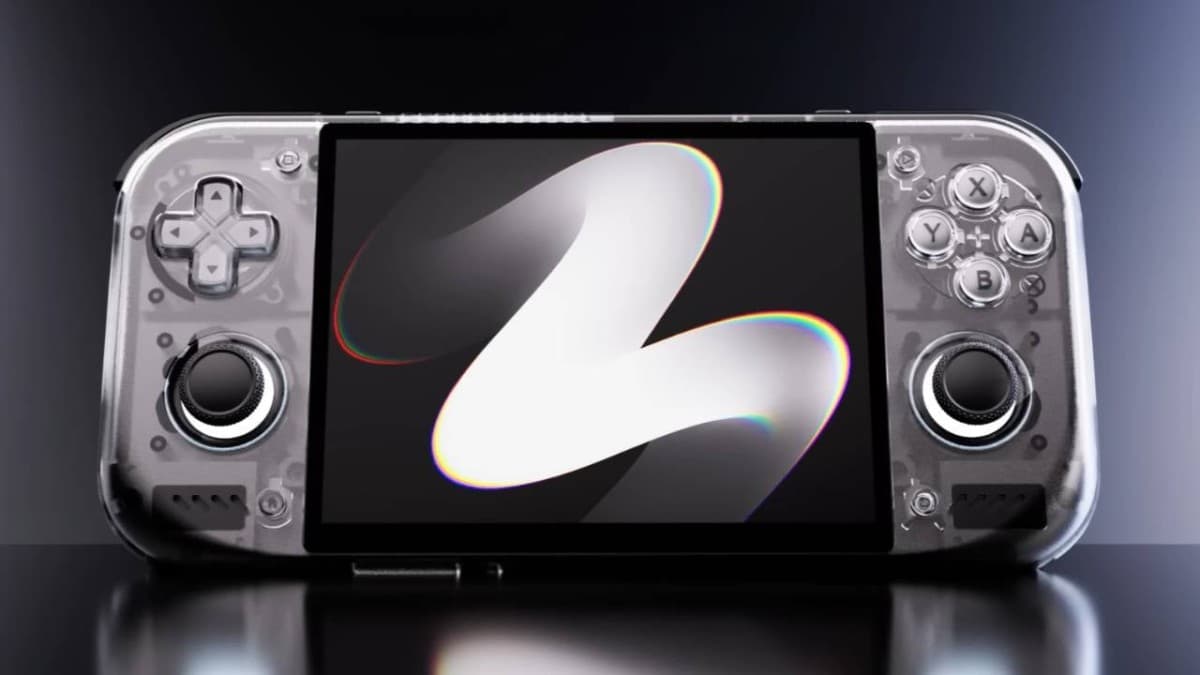
The Arc X1 is official: a 7-inch Android gaming handheld from India-based startup Arc, built around Qualcomm's Snapdragon G2 Gen 2 chip and priced at ₹33,500 (around ₱21,900) — with early waitlist buyers paying ₹29,500 (around ₱19,300). It goes on sale in India on October 2, and it packs hardware that usually shows up on much more expensive devices.
Arc X1 specs: flagship-adjacent parts at a midrange price
GSMArena's launch coverage details a spec sheet that reads more premium than the price suggests:
- Display: 7-inch LTPS LCD, Full HD+ (1920 x 1080), 120Hz refresh rate, 500 nits, full sRGB coverage, Gorilla Glass 3
- Chipset: Snapdragon G2 Gen 2 (4nm), Qualcomm's gaming-specific processor with an Adreno A22 GPU
- Memory: 8GB LPDDR5X RAM, 128GB UFS 3.1 storage with microSD expansion
- Battery: 9,300mAh with 27W USB-C PD fast charging and a wear-reduction charge limiter; Arc claims up to 8 hours of play in silent mode
- Cooling: active fan cooling
- Connectivity: Wi-Fi 6E, Bluetooth 5.4, USB-C 3.1, and a 3.5mm headphone jack
- Software: OwlOS, Arc's custom Android build based on AOSP (the open-source version of Android)
The controls are the standout for the price. The X1 uses TMR (tunnel magnetoresistance) analog sticks — a newer stick technology that resists drift — plus Hall-effect triggers, microswitch face buttons, two programmable rear buttons, and dual linear resonant actuators for haptics. The sticks are replaceable, and Arc says the device is built with modular repairability in mind. It weighs about 500 grams, with front-facing stereo speakers and noise-cancelling microphones for game chat.
Because it runs Android, the X1's library is Google Play plus whatever it can stream: native Android games and emulation are the core use case, with cloud and remote-play apps covering console and PC titles.
Price and availability
Arc is opening the door in stages. Early Access Waitlist members can buy at ₹29,500 (around ₱19,300) from October 2, with regular orders at ₹33,500 (around ₱21,900) after that.
The catch is where you can buy one. The launch is India-only, and Arc has not announced any international availability. AndroidHeadlines' write-up called it "a premium handheld you will likely never get to buy" outside India, even while praising the strategy of packing high-end controls into a more affordable device.
Will it reach the Philippines?
There is no Philippine availability, and no announced plan for one — the peso figures above are conversions, not local prices. If the X1 ever crosses over, it would arrive in an interesting spot: at around ₱22,000 converted, it would sit far below most imported Windows handhelds while offering controls those devices reserve for premium tiers. For context on how expensive dedicated gaming handheld hardware has become, Valve's streaming-focused Steam Frame was priced from $1,059 (around ₱66,500) when its reservation lottery closed this month.
For now, Filipino buyers who want the X1 would have to import it from India through a freight forwarder — with no local warranty and the usual duties on top. The more realistic takeaway is what the X1 signals: TMR sticks, Hall-effect triggers, and 120Hz screens are moving down-market fast, and the next wave of Android handhelds that do launch in the Philippines will be measured against this spec sheet at this price.