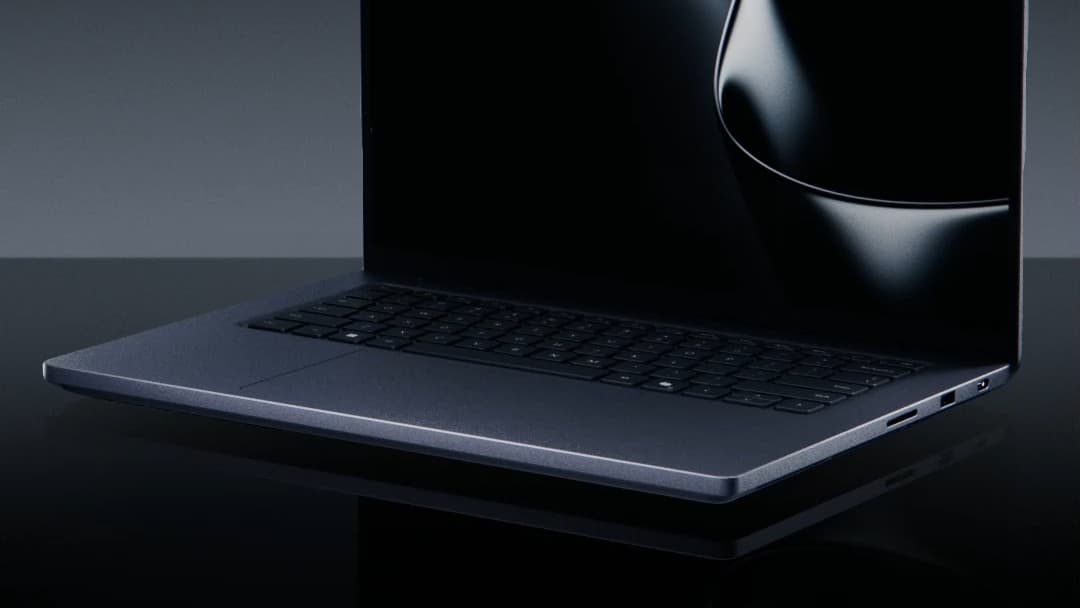
Microsoft put NVIDIA silicon at the heart of its flagship laptop on October 7, opening pre-orders for the Surface Laptop Ultra at an event in San Francisco — alongside a $6,000 (around ₱377,000) developer workstation and a new Windows 11 security layer built for AI agents.
Surface Laptop Ultra: NVIDIA inside, from $2,599.99
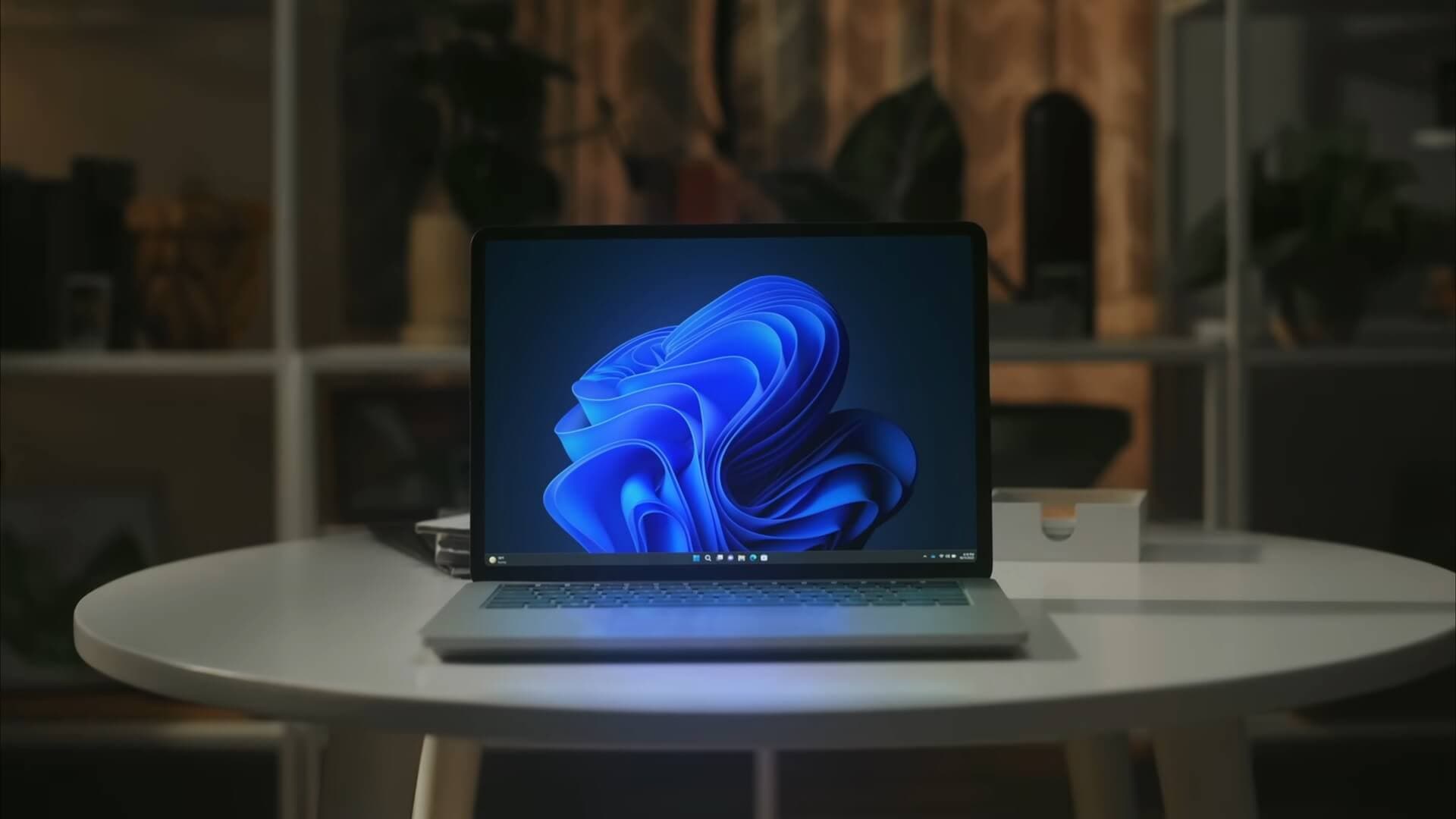
The headline machine runs NVIDIA's RTX Spark Superchip, which combines Blackwell RTX graphics with up to a 20-core NVIDIA Grace CPU and up to 128GB of unified memory shared between the processor and graphics — an architecture built to run large AI models locally rather than in the cloud. Microsoft's product page lists a 15-inch 120Hz touchscreen with 100% DCI-P3 color, Dolby Vision IQ, and 2,000 nits of peak HDR brightness, up to 2TB of storage, and a body under 18mm thin and about 2kg.
| Model | US price | Approx. pesos |
|---|
| Surface Laptop Ultra (base) | $2,599.99 | around ₱163,000 |
| Surface Laptop Ultra (higher-tier chip) | from $3,700 | around ₱232,000 |
| Maxed-out configuration | up to $5,900 | around ₱370,000 |
| Surface RTX Spark Dev Box | from $6,000 | around ₱377,000 |
Microsoft says the highest-end model is already out of stock. A trade-in promotion offers up to $1,000 (around ₱63,000) cash back for a MacBook Pro, but it runs only on the Microsoft Store online in the US and Canada, from October 7 to November 23.
A workstation for AI developers
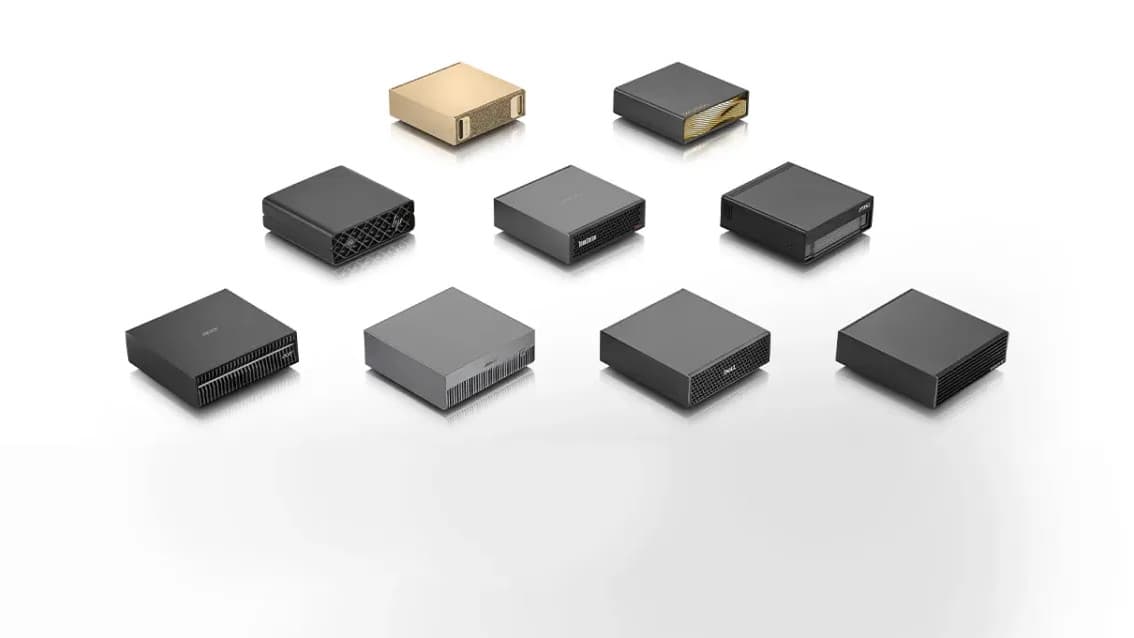
The Surface RTX Spark Dev Box is the same chip family in desktop form, aimed at developers building and running models on their own hardware. It ships with VS Code, GitHub Copilot CLI, Windows Subsystem for Linux, and PowerShell 7 preloaded. Microsoft's pitch for both machines, reported by TechCrunch from the launch event, is that local AI runs at no per-use cost — you buy the hardware once instead of paying per token in the cloud. Chief executive Satya Nadella framed the software side the same way: "You really do need to orchestrate, and you need to have memory outside of the model."
Microsoft is not alone on the chip. Dell announced its XPS 16 Creator Edition on the same RTX Spark silicon, up for pre-order at $3,800 (around ₱239,000), following NVIDIA's agreements with PC makers announced in June.
Windows 11 gets Execution Containers for AI agents
The quieter but farther-reaching announcement is Microsoft Execution Containers, now generally available: a sandboxing layer that confines AI agents to only the files and network destinations a developer has declared. The policy sits outside the agent's control, so an agent cannot grant itself more access — Microsoft's blunt summary is that "an agent cannot be its own security authority." Process-level containers work on Windows 11, macOS, and Linux, while deeper session and WSL containment is Windows 11 only. GitHub Copilot, OpenAI Codex, and Replit already support it.
What this means in the Philippines
Microsoft has not announced Philippine availability or pricing for the Surface Laptop Ultra or the Dev Box — the peso figures above are conversions, not local prices — and official Surface retail in the country has historically run through a limited set of authorized resellers. The trade-in offer does not apply here. The part Filipinos do get, on existing hardware, is the Windows 11 side: Execution Containers reaches Windows 11 users regardless of market, which matters as AI agents start running on ordinary PCs. For local-AI hardware that is officially sold through channels here, NVIDIA's own DGX Spark desktop box remains the nearest comparison — and if you are still on Windows 11 24H2, the 26H2 update is the prerequisite housekeeping before any of this arrives.