Skip to content

NVIDIA DGX Spark 64GB Launches October 23 at $4,999 (Around ₱312,000), Sold Only Through OEM Partners

NVIDIA's 64GB DGX Spark desktop AI computer launches October 23 at $4,999 (around ₱312,000), sold only through OEM partners such as ASUS, Dell, and HP.

Argal
Argal
••3 min read
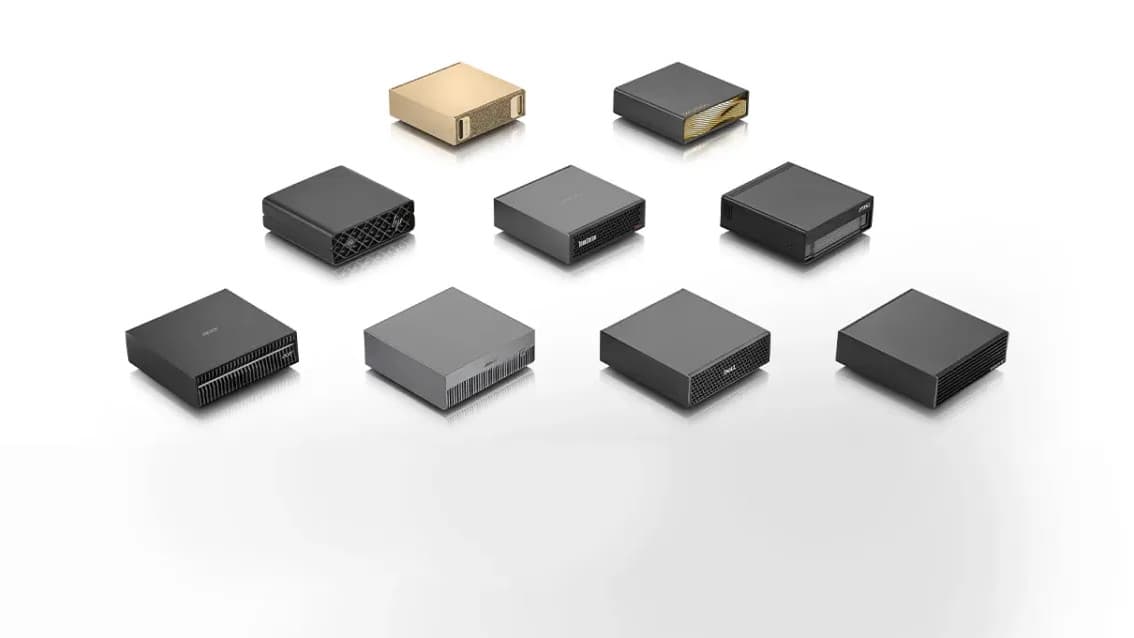
NVIDIA DGX Spark desktop AI computer
NVIDIA's DGX Spark compact AI computer. Image: Back2Gaming

Key Takeaways

  • The NVIDIA DGX Spark now comes in a 64GB unified-memory version priced from $4,999 (around ₱312,000), launching October 23.
  • It keeps the same GB10 Grace Blackwell chip, DGX OS, and ConnectX-7 networking as the original — only the memory is halved.
  • The 128GB model now sells for $6,950 (around ₱434,000), up from $4,699 (around ₱294,000) earlier this year, as memory prices surge.
  • No Philippine pricing or availability has been announced yet.

NVIDIA is widening the DGX Spark line downward. The new DGX Spark 64GB keeps the GB10 Grace Blackwell Superchip of the original 128GB desktop AI computer but halves the unified memory, and it launches on October 23 starting at $4,999 (around ₱312,000). There is no NVIDIA-branded Founders Edition this time: the 64GB model will be sold exclusively through OEM partners Acer, ASUS, Dell, GIGABYTE, HP, and MSI.

The context is hard to miss. Memory prices have been climbing across the industry, and the smaller configuration lets NVIDIA keep an entry price on the shelf while the 128GB model drifts upward.

DGX Spark 64GB vs 128GB

SpecDGX Spark 64GBDGX Spark 128GB
ChipNVIDIA GB10 Grace BlackwellNVIDIA GB10 Grace Blackwell
Unified memory64GB128GB
Memory bandwidth273 GB/s273 GB/s
NetworkingConnectX-7 (200GbE)ConnectX-7 (200GbE)
Model size supportedUp to around 100 billion parametersLarger models, single unit
PriceFrom $4,999 (around ₱312,000)$6,950 (around ₱434,000)
Sold byOEM partners onlyNVIDIA and OEM partners

Both versions run DGX OS with the full NVIDIA AI software stack, so the developer experience is the same — what changes is how large a model fits in memory. The PC Enthusiast notes that the 128GB model originally listed at $3,999 (around ₱250,000) at launch and later $4,699 (around ₱294,000) — meaning the new 64GB unit costs more than the 128GB model once did, a direct symptom of the memory crunch. Their blunt advice: if you can still find a 128GB DGX Spark at a comparable price, the larger memory is the better buy.


Built to be clustered

The 64GB model is designed to scale by stacking. Two units linked over a QSFP cable pool their memory into 128GB, support models up to roughly 200 billion parameters, and deliver up to 1.7x the performance of a single system in NVIDIA's testing. NVIDIA also introduced a Sync Cluster Assistant tool to simplify wiring multiple Sparks into one distributed setup over the ConnectX-7 networking.

That makes the 64GB Spark less a cut-down product and more a modular one: start with one box for local agent development and models under 100 billion parameters, then add a second when the workload grows.

What it means for Filipino AI builders

No Philippine pricing or availability has been announced yet, so local buyers should treat the peso figures above as conversions, not official SRPs — the shelf price here will land higher once taxes and distributor margins are added. The OEM-only sales model is actually good news for eventual local access: Acer, ASUS, Dell, GIGABYTE, HP, and MSI all have established Philippine distribution, which gives the 64GB Spark more realistic paths into the local market than a Founders Edition ever had. For context on where the country's larger AI hardware build-out is headed, see our report on the 10,000-plus NVIDIA GB300 GPUs being deployed in Philippine data centers — the Spark is the desk-sized end of the same boom. The memory-price pressure behind this launch is also the same force pushing up phone and PC prices, as covered in our report on Samsung's locked-in 30-40% memory price hikes for 2027.

Argal

Argal

@clurky

Clurky is a Philippine tech news site owned and run by Argal, a Philippines-born software developer based in Singapore with a Computer Science background. He covers Philippine tech, fintech, and digital services - from gadgets and AI to software and security - along with evergreen guides and explainers, all with a builder's eye for how these systems actually work. Every article is fact-checked against primary sources.

496 posts

Comments

Join the conversation

Sign in to leave a comment and reply to others.

Sign in
Loading comments...