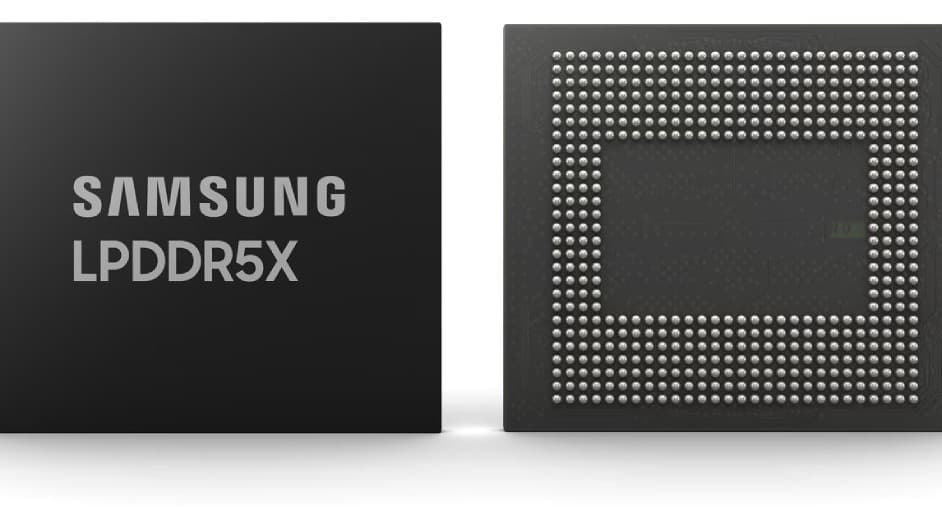
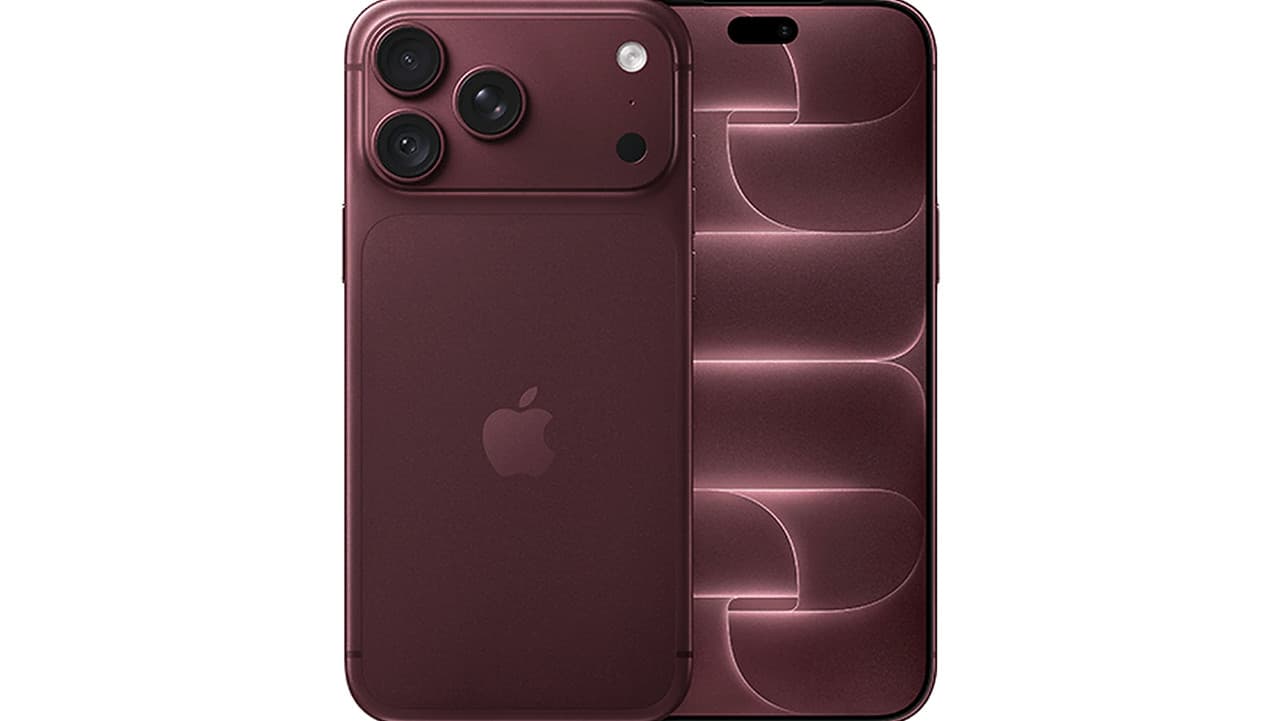
Samsung has locked in sharply higher memory prices for early 2027, and the smartphone industry is already splitting over who will pay them. Apple has reportedly accepted the new rates — DRAM and NAND prices 30–40% above late-2026 levels — while OPPO and vivo have refused, GSMArena reported on September 17, citing Korean media. For Filipino phone buyers, who have already absorbed one round of memory-driven price increases this year, the message is simple: phones are very likely getting more expensive again in 2027.
The numbers Apple agreed to pay
Under the reported agreement, Apple will pay Samsung close to these rates starting in the first quarter of 2027:
| Component | Q3 2026 price | Q1 2027 price | Increase |
|---|
| LPDDR5X RAM | $1.50 per gigabit (around ₱94) | $2.00 per gigabit (around ₱126) | about 33% |
| NAND storage | $0.26 per gigabit (around ₱16) | $0.33 per gigabit (around ₱21) | about 27% |
Those look like small numbers until you multiply them across the 8GB-to-16GB of RAM and 256GB-to-1TB of storage in a modern phone. Memory is now one of the biggest line items in a flagship's bill of materials: market researcher Omdia estimates the memory cost of an 8GB/256GB configuration jumped from $35 (around ₱2,200) in late 2025 to roughly $140 (around ₱8,800) a year later, while a 12GB/512GB setup went from $60 (around ₱3,800) to about $202 (around ₱12,700).
OPPO and vivo push back
Not everyone signed. OPPO and vivo — two of the best-selling smartphone brands in the Philippine market — have reportedly refused Samsung's new terms, leaving open questions about where their 2027 memory supply will come from and at what price. Budget and mid-range brands have far thinner margins than Apple, so they cannot simply pass a 30–40% component increase to buyers without losing the price-sensitive customers those segments depend on.
The standoff escalated quickly. Just days earlier, an earlier GSMArena report — citing Korean outlet Sisa Journal e — described Samsung seeking a comparatively modest 7–10% increase, with Apple negotiations only expected in the fourth quarter. Within a week, the reported terms had grown into a 30–40% jump that Apple had already accepted.
Why memory keeps getting more expensive
The root cause is not smartphone demand at all. Samsung, SK Hynix, and Micron — the three companies that make most of the world's memory — are prioritizing high-margin chips for AI data centers, such as HBM (high-bandwidth memory) and server DRAM, over the smartphone-grade LPDDR memory phones use. Less factory capacity for phone memory means tighter supply, and tighter supply means makers can charge more.
What Filipino buyers should expect
The Philippines has already felt this squeeze. The iPhone 17's base 256GB model now lists at ₱69,990, up from its ₱57,990 launch price — part of a wave of increases that raised iPhone prices here by ₱8,000 to ₱30,000 in a single day this September. The iPhone 18 Pro and Pro Max also launched $100 (around ₱6,300) higher than their predecessors, and analysts have long warned that memory now makes up roughly a third of Apple's build cost.
With Apple's higher 2027 memory rates now reportedly locked in, a further iPhone price increase next year looks probable rather than possible. The bigger local unknown is the mid-range: if OPPO and vivo cannot secure memory on better terms elsewhere, the brands that dominate Philippine mall kiosks may face the harder choice — absorb the cost, raise prices, or ship less RAM and storage for the same money. No brand has announced new Philippine prices for 2027 yet, so treat any specific figure you see before official announcements with caution.