If you are holding off a laptop or phone upgrade and waiting for prices to come back down, the newest numbers say the wait could run to 2028: global smartphone shipments just fell a record 22%, and Lenovo's Philippine chief says laptops that used to sell for about ₱50,000 now cost more than ₱80,000. The cause is the memory-chip shortage that has been rippling through the industry all year — and at an enterprise summit in Boracay this week, the executives who actually sell hardware in the Philippines said the squeeze is tightening, not easing.
A record drop in smartphone shipments
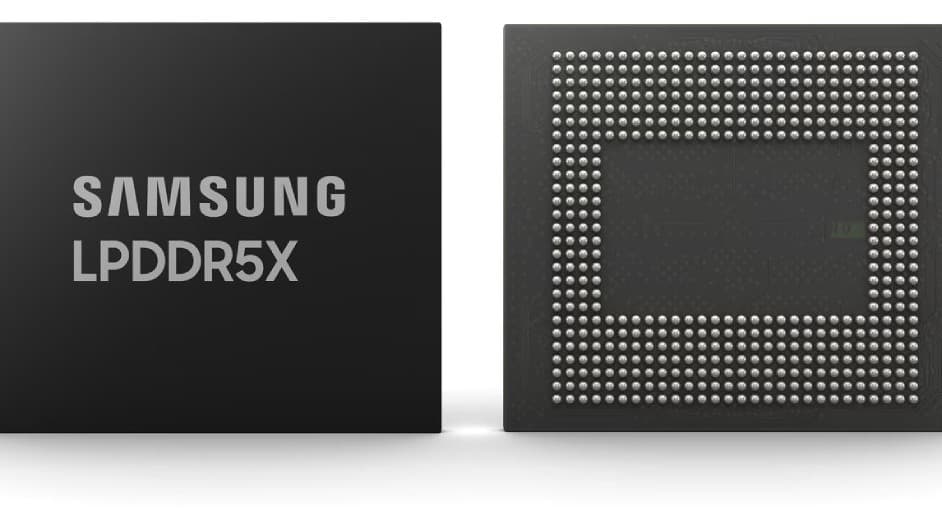
IDC's preliminary third-quarter figures show global smartphone shipments fell 22.0% year on year to 255.3 million units, down from 327.3 million a year earlier. That is the steepest annual decline IDC (International Data Corporation, a market research firm) has recorded for any quarter. The firm pins the collapse on memory: DRAM and storage costs have surged roughly 350% since last year and are still rising, pushing up phone prices and stretching out upgrade cycles.
"The third quarter shows the full impact and damage of the memory crisis," said Francisco Jeronimo, IDC's vice president for worldwide devices. His colleague Nabila Popal was blunter: "the worst is yet to come."
The pain is not evenly spread. Here is IDC's vendor breakdown for the quarter:
| Vendor | Q3 2026 shipments | Market share | Change year on year |
|---|
| Samsung | 57.8 million | 22.6% | −5.8% |
| Apple | 57.3 million | 22.4% | −4.0% |
| Xiaomi | 30.7 million | 12.0% | −29.2% |
| OPPO | 25.6 million | 10.0% | −34.5% |
| vivo | 19.1 million | 7.5% | −31.5% |
| Others | 64.8 million | 25.4% | −32.5% |
Samsung and Apple, which sell pricier phones to buyers who can absorb an increase, actually gained market share. The names that fell hardest — Xiaomi, OPPO, vivo, and the smaller brands in the "others" bucket — are the value-focused vendors that fill most Philippine shelves. In IDC's data, the budget end of the market is taking the heaviest hit, because memory is a bigger slice of a cheap phone's build cost.
What Philippine executives said in Boracay
The local picture came into focus at the 9th VST ECS CXO Tech Summit, running October 20 to 23 at Shangri-La Boracay, where TechPinas reports that IT leaders from banking, healthcare, retail, manufacturing, and government gathered under the theme "Rethinking IT: Powering the AI-Driven Enterprise."
Newsbytes.PH reported from the summit that VST ECS Philippines president and CEO Jimmy Go said server DDR5 prices — the memory used in data-center machines — rose nearly 100% quarter on quarter, raising enterprise IT costs and pushing some Philippine AI deployments into 2027. "Memory now fuels the intelligent enterprise," Go told delegates.
Lenovo Philippines country general manager Michael Ngan repeated the figure he first gave in early October: laptops that previously sold for about ₱50,000 now cost more than ₱80,000. By our math, that is an increase of at least 60% on the sticker price. Server prices, Ngan added, have risen by as much as 300% over the past 12 months. Some corporate customers are asking for bigger budgets to cover the jump; others are delaying upgrades or buying only essential machines. He warned that the squeeze is widening the digital divide, pricing out consumers who could once afford an entry-level device.
The boardroom version matters to ordinary readers too. Per Newsbytes.PH, companies that planned to move AI projects from pilot to full deployment may now cut scope, delay, or settle for weaker hardware — at the same time the Philippines is courting cloud and AI infrastructure investment.
Why supply will not recover soon
The supply side offers no quick fix. Micron, one of the world's three big memory makers, has already committed more than 75% of its 2027 output, much of it under multiyear take-or-pay contracts, Computerworld reports. CEO Sanjay Mehrotra expects supply and demand to be tighter in 2027 and 2028 than in 2026, and says the company has no line of sight to when the two will return to balance.
Device makers are acting accordingly. Samsung has locked in 30–40% memory price increases for 2027, and the effects are already on official Philippine price lists: the Galaxy S26 series launched ₱10,000 to ₱17,000 higher than its predecessors.
IDC expects smartphone growth to stay constrained through 2027, with recovery possibly delayed to 2028 at the earliest. Associate research director Kiranjeet Kaur adds one wrinkle: some vendors raised production plans ahead of the expected tightening, which could cause inventory build-up heading into 2027 — isolated pockets of stock in an otherwise expensive market.
So — buy now, or wait?
No one can promise what prices do next, and IDC's quarterly figures are preliminary and subject to revision. But the direction of every sourced signal is the same, so here is the honest read:
- If your current laptop or phone still does the job, keep it. Analysts see no price relief before 2028, but nothing in the data rewards replacing a working device early either.
- If you genuinely need to upgrade, waiting for a discount looks like a losing bet. Micron's 2027 output is already sold, Samsung's 2027 memory contracts are priced 30–40% higher, and IDC says the worst is still ahead — the device you are eyeing is more likely to get pricier than cheaper.
- Current stock is the bargain. Units already on shelves were built with memory bought at older prices. Launch promos and early-bird offers — common in the Philippine market — are effectively a hedge against next quarter's costs.
- Businesses planning AI or PC fleet upgrades should budget early. Per the Boracay summit, Philippine suppliers are telling corporate buyers the same thing: lock in orders, or expect 2027 deliveries at 2027 prices.
Kaur's inventory caveat is the one scenario that could soften prices in spots — if vendors overproduce into weak demand, isolated clearance deals could appear next year. That is a possibility, not a forecast, and no analyst in the sources is promising it.