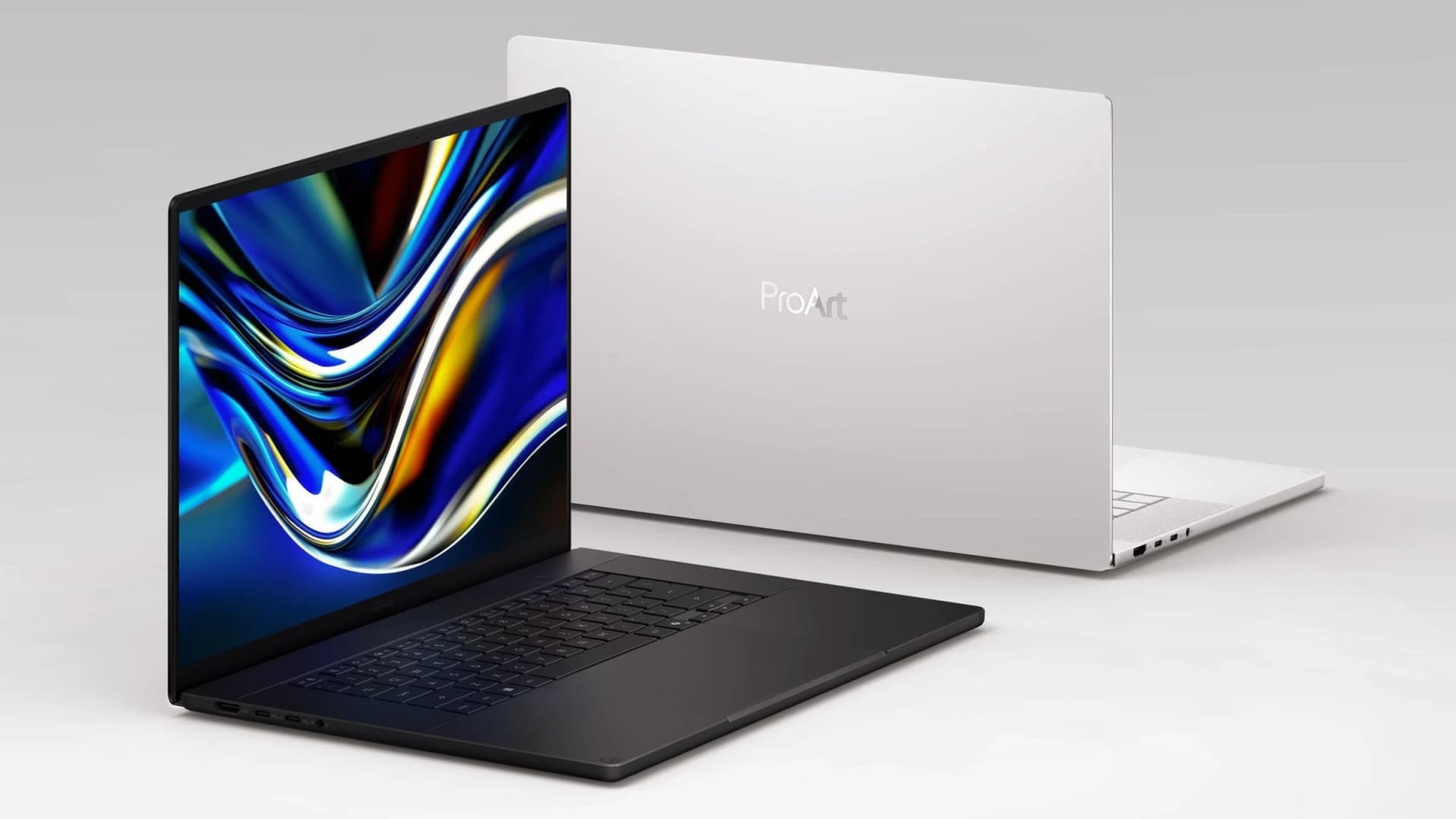
If you want a Windows laptop built on NVIDIA's new RTX Spark chip, the ASUS ProArt P14 now costs ₱224,995 at five ASUS Exclusive Stores in Metro Manila, and the 16-inch ProArt P16 starts at ₱269,995, YugaTech reported on October 21. That is roughly ₱60,000 above the US starting price of $2,599.99 (around ₱164,600), and about ₱59,000 more than the only other RTX Spark laptop you can order in the Philippines right now, Lenovo's Yoga Pro 9n. Whether the premium makes sense depends on what you edit, render or run locally, and on how much patience you have for software that is still catching up to the chip.
ASUS ProArt P14 and P16 Philippine prices
ASUS Philippines is selling three configurations, all with a 1TB SSD and Windows 11 Home. The prices below are the introductory suggested retail prices YugaTech listed; ASUS's PH product page shows no price of its own and notes that resellers set their own.
| Model | Chip | Unified memory | Display | Price |
|---|
| ProArt P14 (H7407BA-SU338WSM) | RTX Spark N1X, 18-core CPU, 5,120-core GPU | 32GB | 14-inch 3K OLED, 120Hz | ₱224,995 |
| ProArt P16 (H7607BA-SE460WSM) | RTX Spark N1X, 20-core CPU, 6,144-core GPU | 48GB | 16-inch 4K OLED, 120Hz | ₱269,995 |
| ProArt P16 (H7607BA-SE480WSM) | RTX Spark N1X, 20-core CPU, 6,144-core GPU | 128GB | 16-inch 4K OLED, 120Hz | ₱429,995 (special order) |
Both laptops use ASUS Lumina Pro OLED touchscreens. The P14's 2880 x 1800 panel reaches 500 nits (1,100 nits HDR peak), while the P16's 3840 x 2400 panel reaches 700 nits (1,600 nits HDR peak). The P14 carries a 90Wh battery and weighs 1.48kg; the P16 has a 99.9Wh battery and weighs 1.77kg at 12.9mm thick. Both ship with a 140W USB-C charger, three USB4 Type-C ports, one USB-A port, HDMI 2.1 and an SD card reader, plus Wi-Fi 7 and Bluetooth 5.4.
The local bundle is generous on paper. YugaTech lists three months of Adobe Creative Cloud and Google AI Pro (with 5TB of cloud storage), a lifetime Office 2024 licence, a year of Microsoft 365 Basic and up to 700GB of ASUS cloud storage. ASUS's "No. 1 Quality and Service" package adds a three-year local and international warranty with on-site support, a 14-day replacement window, up to six free cleanings and one year of accidental damage protection.
What NVIDIA RTX Spark actually is
RTX Spark is NVIDIA's first system-on-chip (SoC, the main processor) for Windows laptops. According to ASUS's October 16 announcement, the N1X pairs an NVIDIA Grace CPU of up to 20 cores with a Blackwell RTX GPU of up to 6,144 CUDA cores, sharing up to 128GB of LPDDR5X unified memory between them. ASUS rates the chip at up to 1 petaflop of FP4 AI performance, which is why the company pitches these as machines for running large image and video models locally rather than in the cloud.
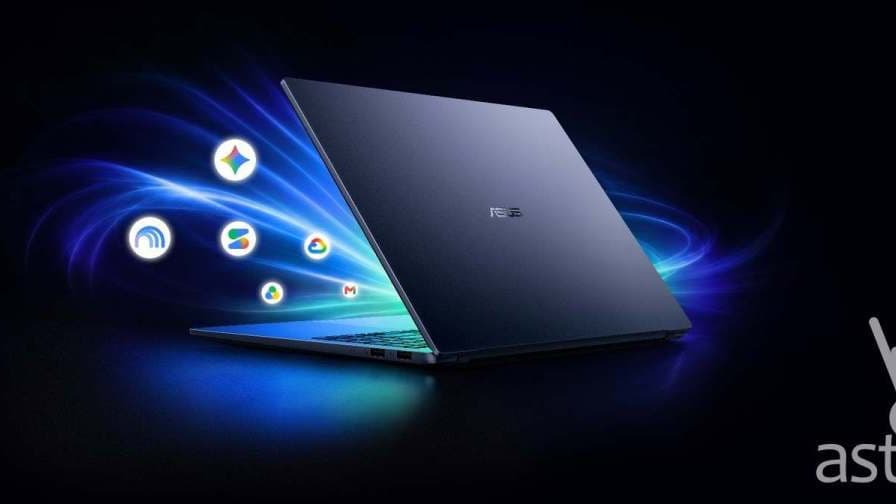
The important detail for buyers is that the Grace CPU is Arm-based, not x86. The laptops run Windows 11 on Arm, and RedShark News noted that apps without native Arm builds run through emulation, which costs performance. Adobe has said it is reworking Photoshop and Premiere for RTX Spark, with updates due later in 2026. ASUS bundles its own AI tools (MuseTree for local image and video generation, StoryCube for media organisation, the Zenni Claw assistant) and partners with ComfyUI, the open-source AI workflow app.
How fast is it? Tom's Guide's test numbers
This site has not tested the laptop. Tom's Guide's October 16 review of the ProArt P16 did, with the caveat that NVIDIA itself warned some benchmarks do not yet reflect the chip properly. Even so, the reviewer recorded a Geekbench multi-core score of 23,595 against 15,343 for the previous AMD Ryzen AI 9 HX 370 ProArt P16, and a Handbrake video encode of 2 minutes 6 seconds against 3 minutes 30 seconds on the AMD model. Apple's MacBook Pro with M5 Pro still led on both (28,586 and 1 minute 45 seconds). Tom's Guide also found the P16 "can get quite loud and hot under the hood" when pushed, and called the price its biggest drawback.
ProArt P14 vs Lenovo Yoga Pro 9n vs last year's ProArt P16
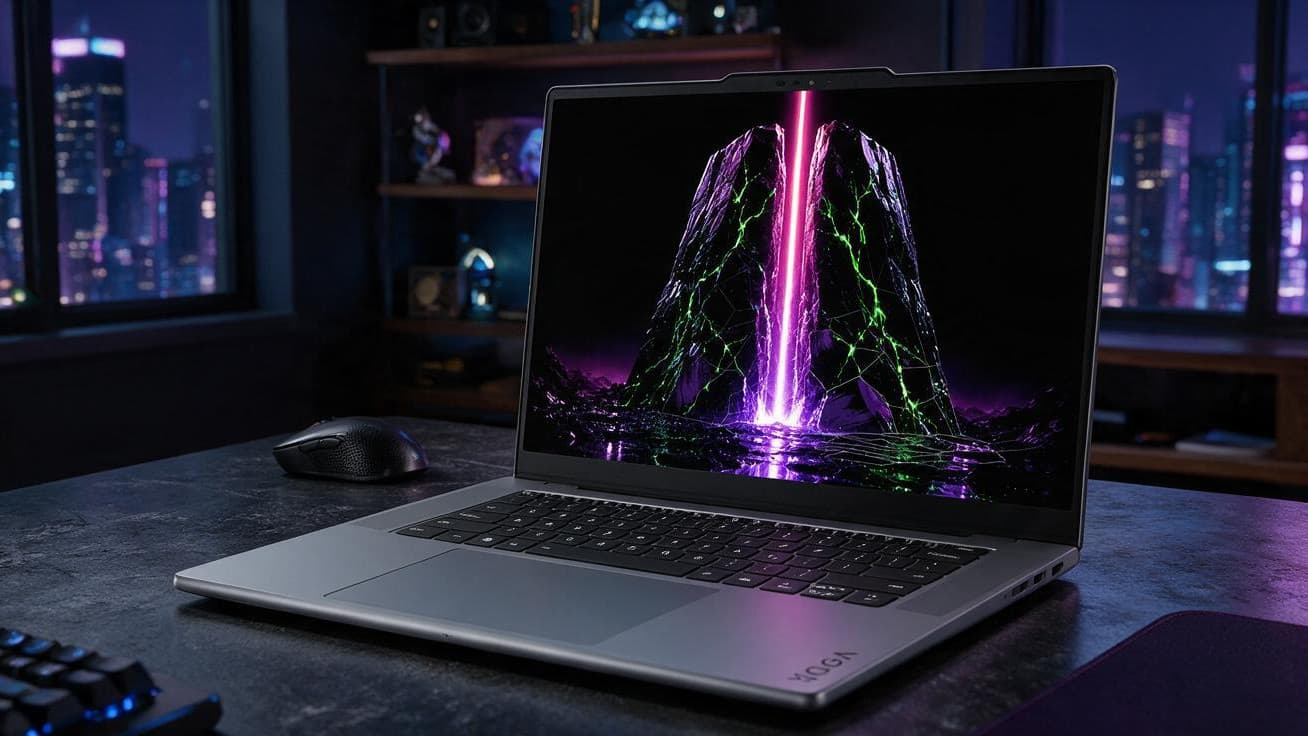
The RTX Spark P14 is not the cheapest way into this chip in the Philippines. Lenovo's build-to-order Yoga Pro 9n was listed on Lenovo Philippines' store at ₱165,774.27 on October 21, a sale price against an estimated value of ₱261,486.02, with delivery quoted at five to six weeks. And ASUS's own 2026 ProArt P16 with a discrete RTX 5080, which Gadget Pilipinas priced at ₱289,995 in April, is still the one to beat for games that need a conventional x86 Windows setup.
| Laptop | Chip | Memory / storage | Display | PH price seen |
|---|
| ASUS ProArt P14 (H7407) | RTX Spark N1X, 18-core | 32GB / 1TB | 14-inch 3K OLED touch, 120Hz | ₱224,995 |
| Lenovo Yoga Pro 9n (15-inch, Gen 11) | RTX Spark N1X, 18-core | 32GB / 512GB | 15.3-inch 2.5K OLED, 165Hz, non-touch | ₱165,774 (sale, Lenovo PH) |
| ASUS ProArt P16 (H7606, 2026) | Ryzen AI 9 HX 370 + RTX 5080 | 64GB / 2TB | 16-inch 4K OLED touch, 120Hz | ₱289,995 |
By our math, the P14 costs ₱59,221 more than the Yoga Pro 9n for the same 18-core N1X and the same 32GB of memory. For that you get double the storage, a touchscreen, a three-year warranty instead of Lenovo's one year, and a laptop you can walk out with today instead of waiting over a month for a build-to-order unit.
Who should buy one now, and who should wait
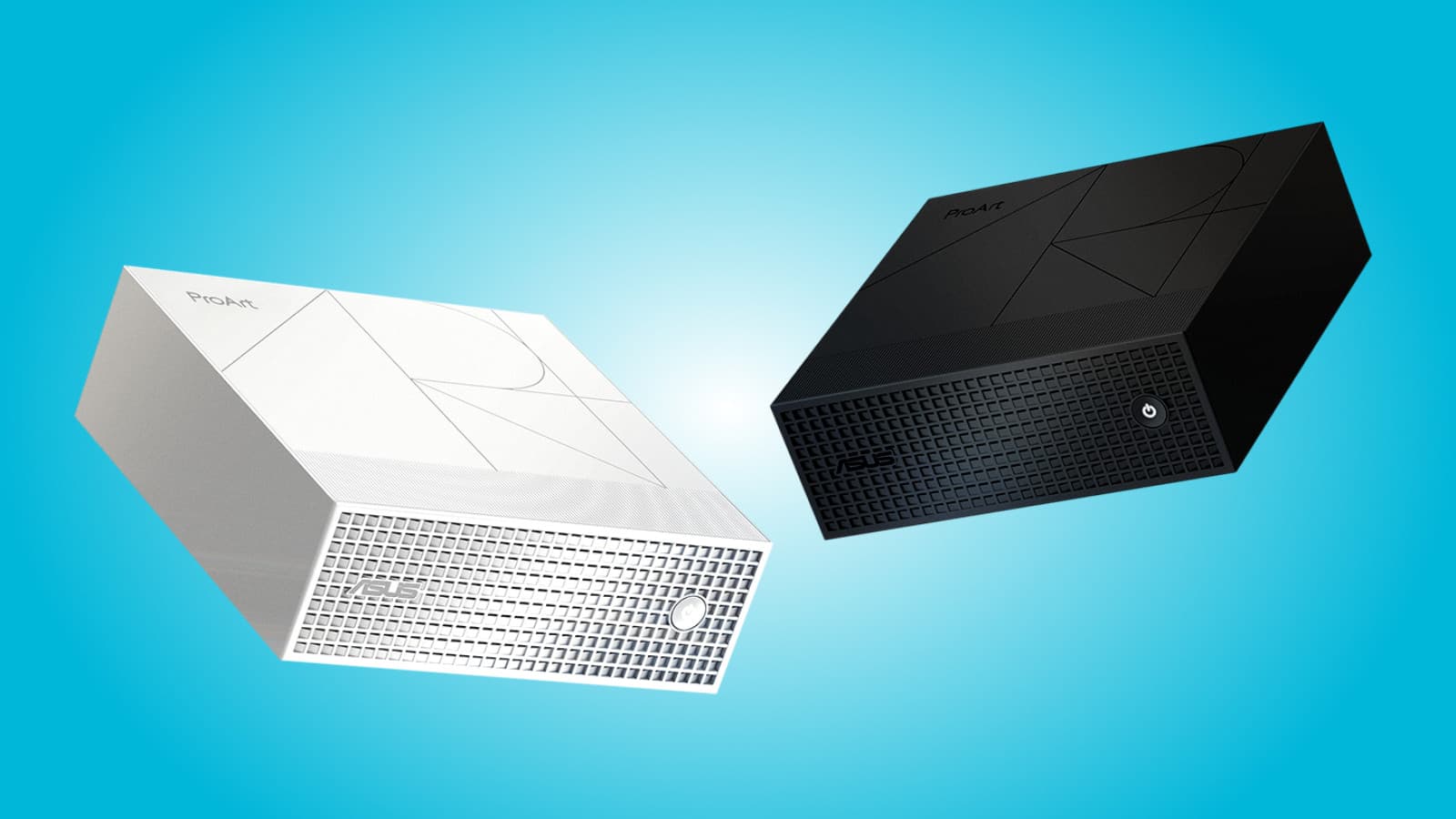
If your work is 3D rendering, local AI models or long video exports, and your main apps already have Arm builds, the P16 at ₱269,995 with 48GB of unified memory is the configuration that makes the most of the chip; the 128GB model at ₱429,995 is a special order aimed at people running large models locally, in the same territory as NVIDIA's DGX Spark desktop box. If you mostly use Photoshop, Premiere or older plug-ins, waiting for Adobe's native updates later this year is the safer call, and the Surface Laptop Ultra and ASUS's own ProArt GR1X mini PC will give the platform more competition by then.
You can try both laptops before buying at the ASUS Exclusive Stores in Glorietta, SM Makati, SM Mall of Asia, SM Megamall and SM North EDSA. The 128GB P16 has to be ordered through the store.