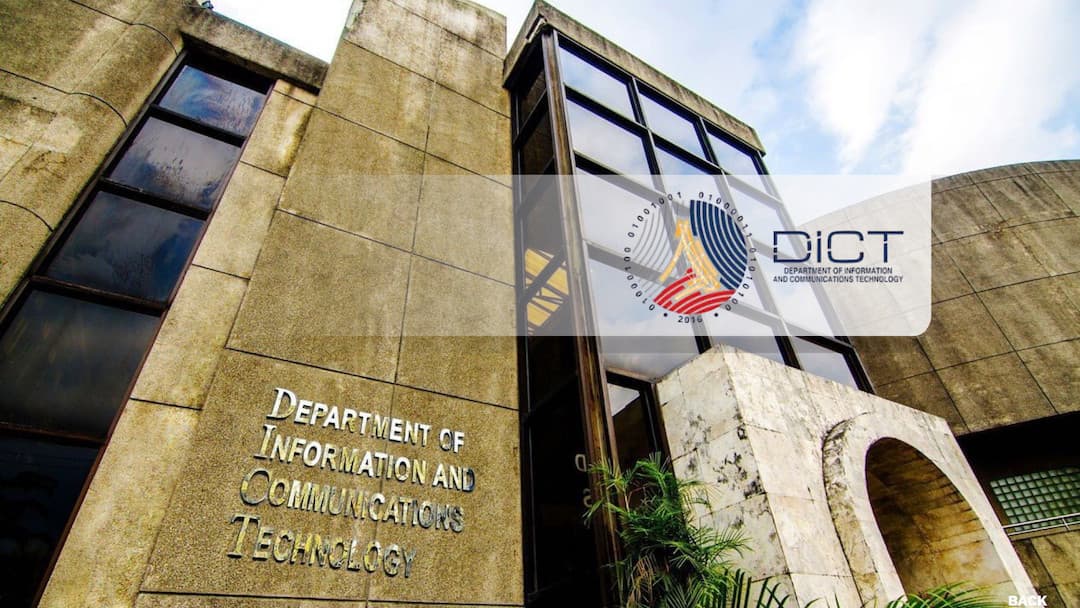
The provincial government of South Cotabato has formally asked the Department of Information and Communications Technology (DICT) and the Philippine National Police Anti-Cybercrime Group (PNP-ACG) to investigate an online community reportedly joined by the minor behind the September 18 shooting at Banga National High School — the country's third deadly school shooting since June.
What happened in Banga
The shooting took place in a classroom at Banga National High School in Banga, South Cotabato, shortly after 1 p.m. on Friday, September 18. In its official statement, the provincial government said three people were killed and six others were wounded, with classes suspended and the injured brought to hospitals across the province. Some initial reports carried different figures — BusinessMirror reported three students dead, including the gunman, while other accounts counted two 14-year-old students killed and at least eight wounded. The numbers had not been fully reconciled as of writing.
The shooter was a student and a minor, and authorities have withheld his identity. Investigators say he reportedly took part in an online "true crime" community and had posted material glorifying past school shooters.
The governor's request to DICT and the police
Governor Reynaldo Tamayo Jr. asked DICT and the PNP-ACG to look into the nature and activities of that online community and determine whether it played any role in the attack. "We have asked the DICT to look into the online community reported" to be connected to the student, Tamayo said, while urging the public not to spread unverified information. Authorities stress that no connection between the community and the shooting has been established yet — that is precisely what the investigation is meant to find out.
Meta takes down videos of the attack
Footage of the shooting spread on social media within hours. The Cybercrime Investigation and Coordinating Center (CICC) said it worked directly with Meta to remove it. "Through the CICC's ongoing coordination with Meta, videos of the incident circulating on their social media platforms were immediately taken down," CICC Executive Director Renato "Aboy" Paraiso said, adding that accounts sharing the material were blocked. Paraiso warned that circulating this kind of content "can cause heightened fear and confusion, and potentially inspire copycat violence."
DICT condemned the violence, said it stands ready to assist other agencies with communications and technical support, and asked the public not to share graphic content from the scene.
The bigger fight over violent content online
This is the third school shooting since June, and each incident has pushed the government's online-safety campaign further. Telcos have already blocked more than 100 sites streaming school shootings and violent content at DICT's direction, Congress is weighing a bill that would fine platforms millions and jail executives over graphic content, and DICT and Meta have agreed to form a working group on harmful content rather than pursue a Facebook ban.
The Banga case adds a new dimension to that debate: it is no longer only about who hosts violent videos after an attack, but about what online spaces may be shaping a young person before one. What investigators find about the community the shooter allegedly joined — and whether platforms could reasonably have flagged it — will likely feed directly into the platform-accountability measures now moving through Congress and DICT.