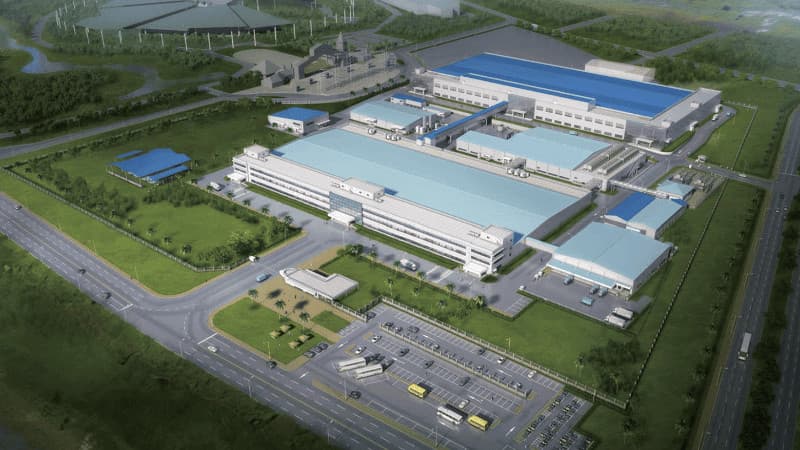
Samsung Electronics is moving DDR5 memory module testing and assembly to the Philippines. Equipment from the company's Onyang campus in South Korea is being transferred to SFA Semicon's plant in the Clark Freeport Zone in Pampanga, with the first phase of operations set to begin in November 2026 and a second phase to follow in the second quarter of 2027, South Korean outlet The Elec reported.
The reason is AI. Samsung is reallocating space and equipment at its Cheonan and Onyang packaging plants to advanced lines for high-bandwidth memory (HBM) — the stacked memory chips that AI accelerators depend on — and handing all additional production of conventional DDR5 modules and solid-state drives to outside partners.
What the Clark plant will do
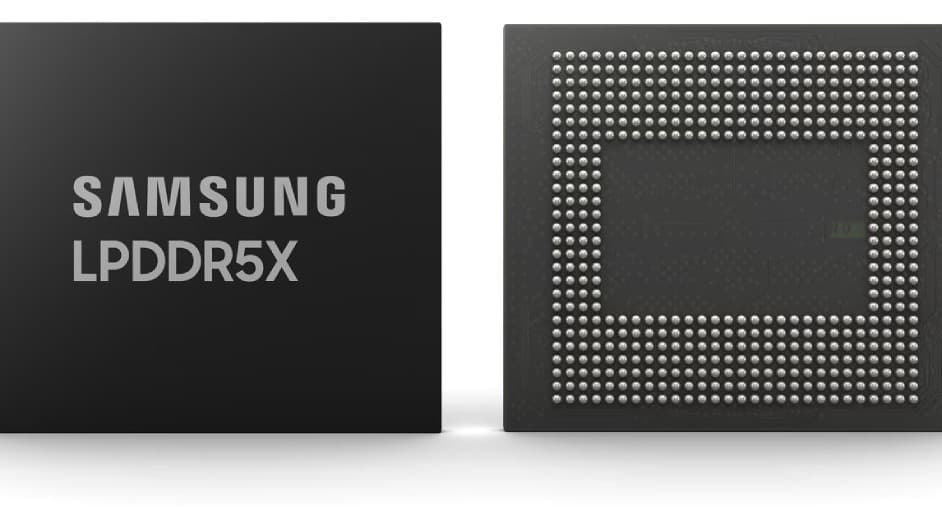
DDR5 is the current generation of DRAM, the main working memory in new PCs and servers. Under the new setup, SFA Semicon handles fine-pitch ball grid array (FBGA) packaging — sealing the bare memory dies into finished chips — at its Cheonan plant in South Korea, while its Philippine facility takes the final stage: mounting the chips onto circuit boards, assembling them into finished DDR5 modules, and testing them, GizGuide reported. The actual chip fabrication stays in Samsung's own fabs; what Clark gains is the last, quality-critical step before modules ship to PC and server makers.
Three partners, three countries
SFA Semicon is one of three outsourcing partners taking over Samsung's conventional DDR5 output:
| Partner | Country | Role |
|---|
| SFA Semicon | Philippines (Clark, Pampanga) | DDR5 final testing and module assembly; Phase 1 from November 2026, Phase 2 in Q2 2027 |
| Dreamtech | India (Noida) | Memory module production targeting more than 50 million units a year; plant conversion completing September 2026 |
| Hanyang Digitech | Vietnam | Invested ₩31.5 billion (around ₱1.4 billion) in new machinery and automation in the first half of 2026 |
Of the three, Dreamtech is furthest along — it began mass production in November 2025 and approved an equipment investment in June to convert its Noida Plant 1 from smartphone board assembly to memory module production, with the conversion targeted for completion this September. The Clark transfer is the newest piece, and the one that brings the work to the Philippines.
Samsung's own money is going the other way. Construction of a ₩6-trillion (around ₱272 billion) HBM plant at Onyang begins this month, and a separate $1.5-billion (around ₱94 billion) back-end facility in Thai Nguyen, Vietnam will handle older memory products such as DDR4, LPDDR4, NAND and UFS. HBM stacks multiple DRAM dies vertically and sells at far higher margins than conventional modules, which is why Samsung wants its best in-house packaging capacity pointed at it.
A bigger Philippine role in the memory supply chain
For the Philippines, this lands more high-value semiconductor work in Clark at a useful moment. Electronics are already the country's biggest export earner — electronics accounted for nearly 59% of all Philippine export revenue in July — and final assembly and testing of a current-generation memory product deepens that base rather than just extending it.
The timing also connects to prices. Memory is getting more expensive as AI demand eats manufacturing capacity — Samsung has locked in DRAM price increases of 30–40% for 2027 — and outsourced assembly lines like Clark's are how Samsung keeps conventional DDR5 flowing to PC and server makers while its own plants chase HBM margins. Neither Samsung nor SFA Semicon has announced how many jobs the expansion will add at the Clark plant, and there is no official Philippine government statement on the transfer yet; the concrete, dated commitment so far is the November start of Phase 1.