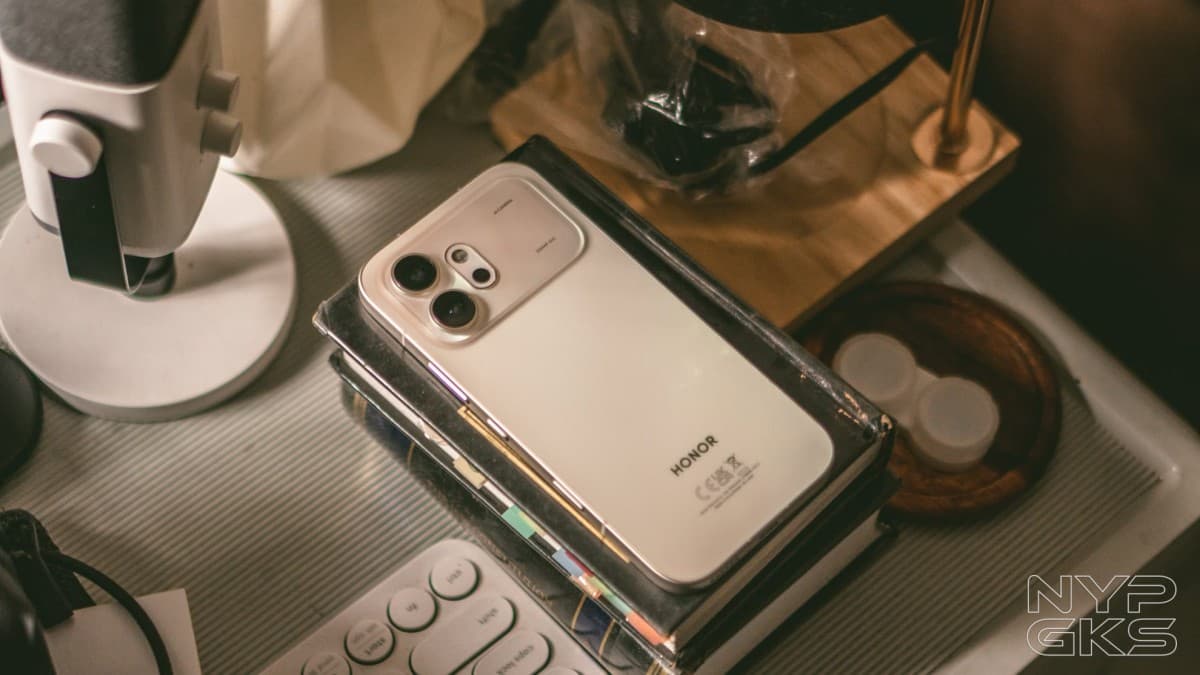
HONOR's June MagicOS update (version 10.0.0.160) ships with a privacy feature that takes a different approach to permission management: rather than blocking a request outright, it fulfills it with fabricated data.
The feature, called Virtual Permissions, works by intercepting app permission calls and returning empty or spoofed information in their place. An app that asks for call log access gets a blank list. A messaging-reading service receives an empty inbox. A location-hungry app gets a fake position. From the app's perspective, it has been granted what it asked for; the user's actual data is never exposed.
This sidesteps one of the recurring frustrations with standard permission blocking: many apps refuse to function if a permission is denied. Virtual Permissions removes that standoff by letting the app proceed uninterrupted. Because the feature operates at the system level, it works across most third-party applications without requiring changes from developers.
The rollout covers call logs, messages, calendar data, and location. Users can enable it per-app through Settings > Privacy & Security > Virtual Permissions. HONOR hasn't published a list of specific device models receiving the update — only that all eligible MagicOS 10 handsets will be covered over the coming weeks.
Whether the feature will eventually reach HONOR's global devices outside China has not been confirmed, but several observers have flagged Virtual Permissions as a capability that Android competitors don't currently offer natively in their UI.
Sources: