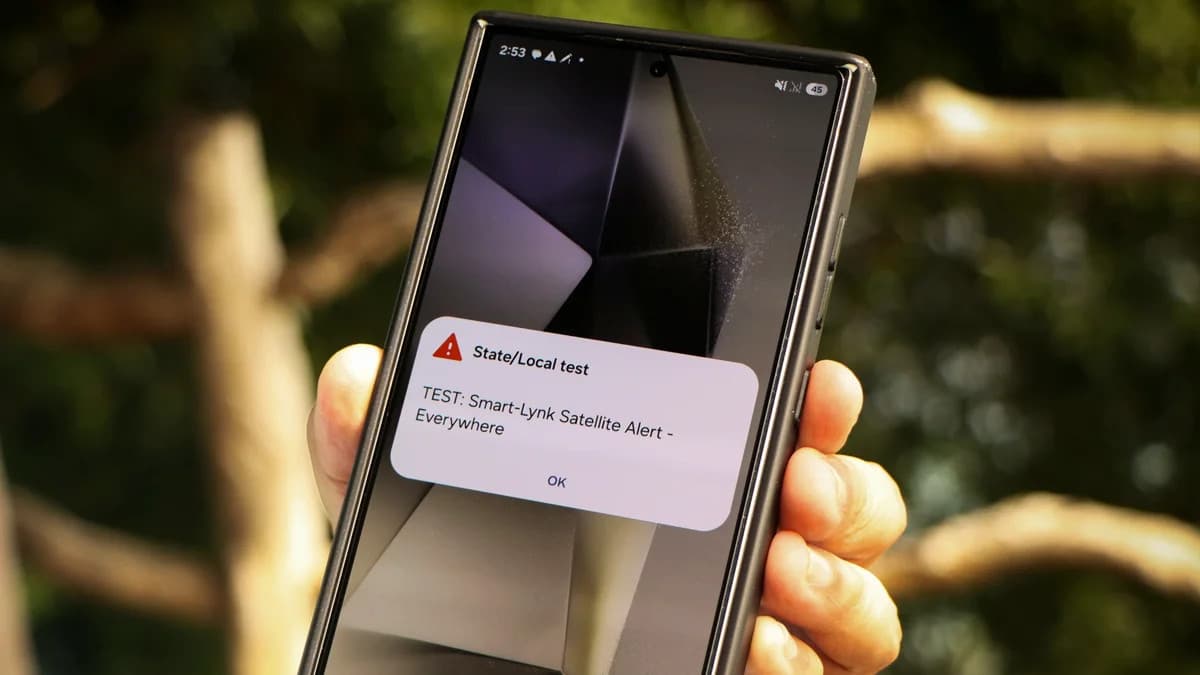
Smart Communications and US-based satellite operator Lynk Global have expanded their direct-to-device (D2D) satellite connectivity tests to Batangas, moving the Philippines a step closer to phones that stay connected even when cell towers go down. The trials, announced on August 19, focused on disaster scenarios: delivering emergency alerts and two-way text messages to ordinary mobile phones straight from satellites in orbit, with no ground network in between.
What direct-to-device satellite means
D2D technology lets a regular smartphone connect directly to a satellite passing overhead. The satellite acts like a cell tower in space. Unlike older satellite phones, no special handset, antenna, or extra hardware is needed — the service is designed to work with the standard phones Filipinos already own.
That design choice matters in emergencies. When a typhoon or earthquake damages towers or cuts power, the people affected are unlikely to have dedicated satellite equipment on hand. A service that reaches everyday phones can reach far more people.
What the Batangas tests covered
Newsbytes.ph reported that the trials simulated disaster conditions in which terrestrial networks are knocked out. The tests examined:
- Satellite-enabled cell broadcasts — pushing emergency alerts and public safety messages to phones in an affected area even with towers offline
- Two-way SMS over satellite — letting users send and receive text messages when no ground network is available
- Coverage extension — reaching rural communities, hard-to-access areas, and maritime zones that terrestrial networks struggle to serve
- Standard-phone compatibility — confirming the service works without dedicated satellite hardware
From Catanduanes to a commercial service
Batangas is the latest stop in a testing program that began with pilots in Catanduanes in January 2026 and later Ilocos Norte — provinces regularly hit by strong typhoons. Smart's parent company PLDT has been working with Lynk Global on the technology since the partnership was formed in 2025.
"Reliable communication is essential in times of crisis," said Menardo G. Jimenez Jr., PLDT chief operating officer and network head, adding that the company's mission is to be there for all Filipinos when it matters most.
Once Lynk's low-earth-orbit satellite constellation becomes fully operational, Smart says it expects to offer full mobile voice and data connectivity over satellite — not just alerts and SMS. No commercial launch date or pricing has been announced yet, so for now this remains a testing program rather than a service subscribers can sign up for.
What this means when the next typhoon hits
The Philippines sits in the path of some of the world's most destructive storms, and communication blackouts routinely slow down rescue and relief work. A satellite fallback that reaches ordinary phones could keep emergency broadcasts flowing and let families confirm each other's safety even in so-called dead zones. It also complements other satellite moves in the local market, such as Cebu Pacific's planned Starlink inflight Wi-Fi. Smart has been widening its portfolio for connectivity beyond the usual coverage map — the operator's premium arm recently launched an annual roaming wallet for frequent travelers — and satellite-to-phone service would extend that reach to places no roaming agreement can cover. The honest caveat: until Lynk's constellation is complete and a commercial offer is on the table, Filipinos should treat this as promising infrastructure work, not a product they can rely on this typhoon season.