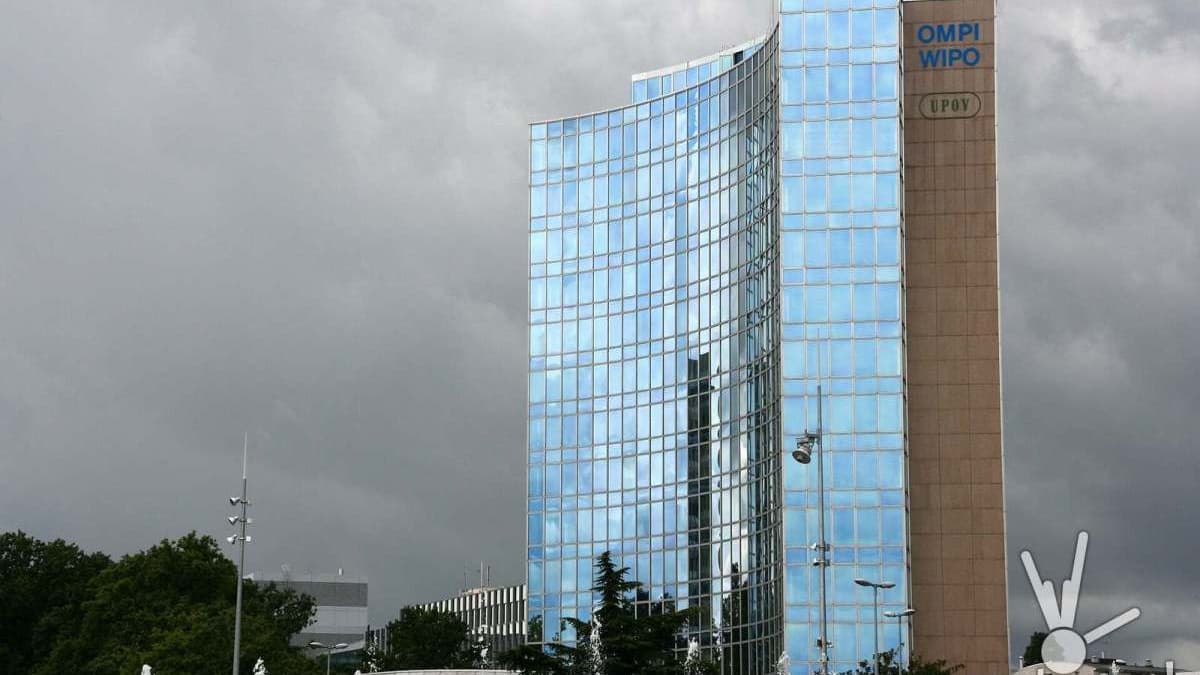
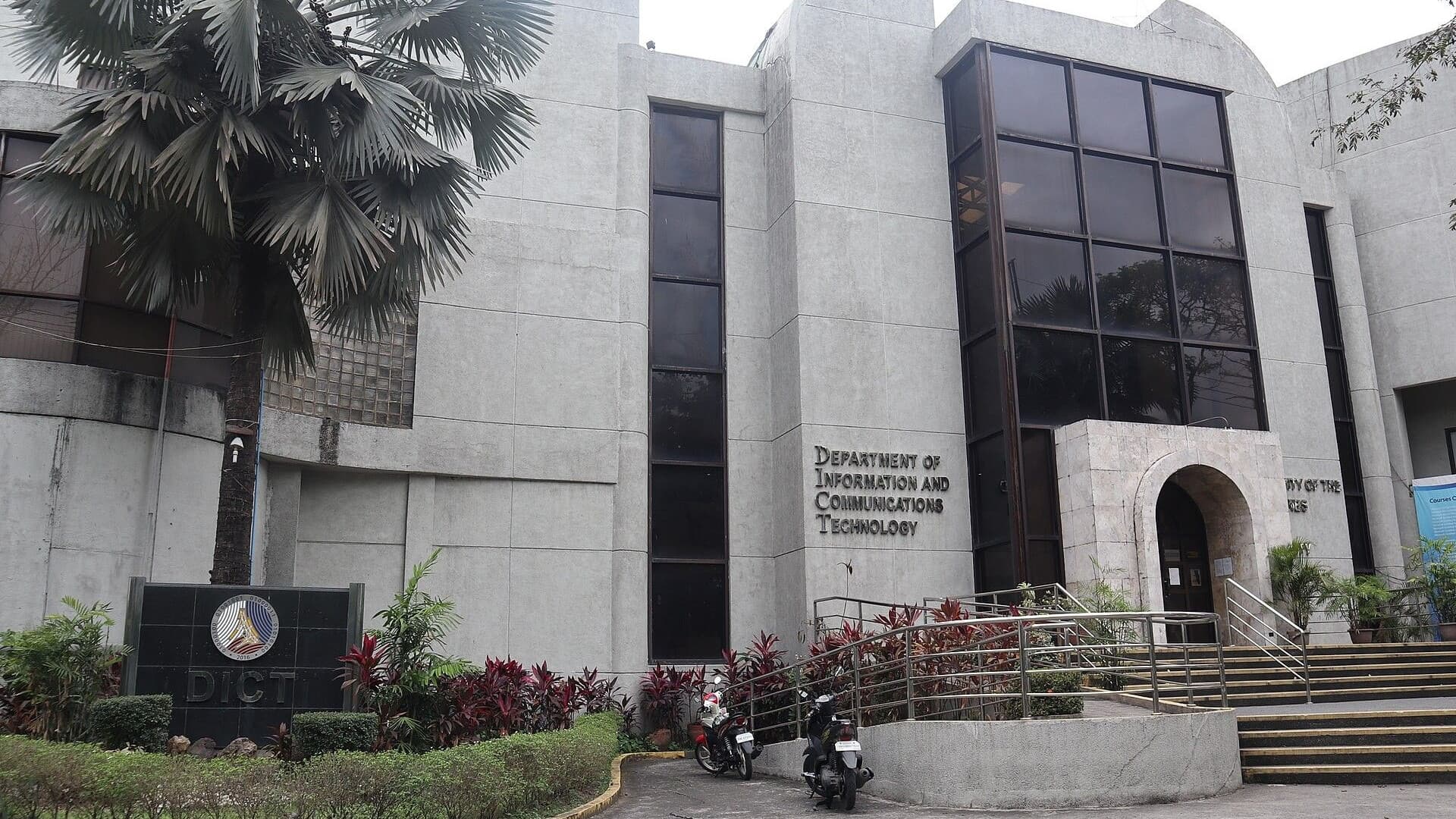
The Philippines dropped to 52nd place among 139 economies in the 2026 Global Innovation Index (GII), down two spots from 50th last year and short of the government's own target of 49th. The annual ranking by the World Intellectual Property Organization (WIPO) — the United Nations agency for intellectual property — measures how well countries turn resources like research spending and education into innovation outputs like patents and high-tech exports.
Where the slide came from
The headline number hides a split story. The country's innovation outputs rank held steady at 49th, but its innovation inputs — the schools, research funding and infrastructure that feed innovation — fell hard, from 59th to 69th, the Manila Times reports. That 20-place gap between inputs and outputs cuts both ways: the Philippines squeezes unusually strong results out of limited resources, but it is underinvesting in the foundations that sustain them.
The country still ranks 3rd among 36 lower-middle-income economies, and it has climbed a long way from 90th in 2013. Within Southeast Asia, East Asia and Oceania, however, it sits 11th of 17 economies.
The bright spots
The Philippines' strongest individual indicators remain trade-driven:
- High-tech exports — 4th in the world
- High-tech imports — 6th
- Utility models by origin — 12th
- Creative goods exports — 15th
Some output categories improved outright: Knowledge and Technology Outputs rose to 37th, Creative Outputs gained six places to 55th, and patents by origin inched up to 65th from 68th. IPOPHL Director General Teodoro C. Pascua said the country must "connect and scale these gains across the innovation value chain" so that more Filipino research actually becomes commercial products in global markets. The gains land as IPOPHL also works on harder questions — including the country's first rules on AI and copyright.
How the neighbors did
WIPO's 2026 results put Switzerland at No. 1 for the 16th straight year, followed by Sweden and the United States. In Southeast Asia:
| Economy | 2026 GII rank |
|---|
| Singapore | 5th |
| Malaysia | 34th |
| Vietnam | 43rd |
| Thailand | 44th |
| Philippines | 52nd |
| Indonesia | 55th |
Vietnam and Thailand — the two neighbors the Philippines most often benchmarks against — now sit eight to nine places ahead.
The 2028 target just got steeper
The Philippine Development Plan commits the country to reaching 43rd place by 2028, which now means climbing nine spots in two editions. WIPO's own assessment, cited in the Manila Times report, is blunt about what that takes: broader research capacity, stronger business R&D and more domestic knowledge creation — exactly the input side where the country just slipped. Weak spots flagged this year include knowledge-base generation, overall R&D capacity, scientific publication output and venture capital funding — all input-side measures. Innovation inputs cover the raw ingredients of an innovative economy: institutions, human capital and research, infrastructure, and the sophistication of markets and businesses. A drop there tends to show up in the output rankings a few years later, which is what makes this year's slide more worrying than a two-place dip suggests.
For the Philippine tech scene, the report reads less like a verdict than a to-do list. The export engine and the creative sector — the country recently produced a James Dyson Award-winning home dialysis machine from UP Diliman — keep delivering. What slipped is public and private investment in research, and that is a policy choice, not a market outcome. The next two budget cycles will decide whether the 2028 target is a plan or a wish.