The Philippines' Cybercrime Investigation and Coordinating Center (CICC) has ordered a temporary block on the video game GoreBox following a deadly school shooting at San Jose National High School in Tacloban City, Leyte, on June 22, 2026. The attack killed three students and injured more than 20 others, and has sparked a broader government conversation about violent games and their accessibility to minors.
What Happened in Tacloban
Philippine National Police investigations revealed that one of the Grade 9 students linked to the shooting was a regular player of GoreBox. Authorities subsequently described the incident as a planned attack — reports from the Philippine News Agency indicate it was planned for over a month — and the Department of Justice is separately reviewing whether the attack could be classified as extremism under existing law.
Two suspects have been arrested. The PNP has not established any formal causal link between the game and the shooting at this point.
The CICC's Response: Temporary Block, Not a Formal Ban
The CICC, led by Undersecretary Aboy Paraiso, characterized the GoreBox block as a precautionary measure while investigators assess whether the game may have played a role in the suspects' behavior or mindset. Paraiso was explicit that no direct connection between GoreBox and the shooting has been established — the temporary block exists to allow time for a thorough review rather than as a conclusion.
The distinction between a temporary block and a formal ban matters: the former can be lifted once the investigation concludes without adverse findings, while the latter would require a separate legal process.
What Is GoreBox?
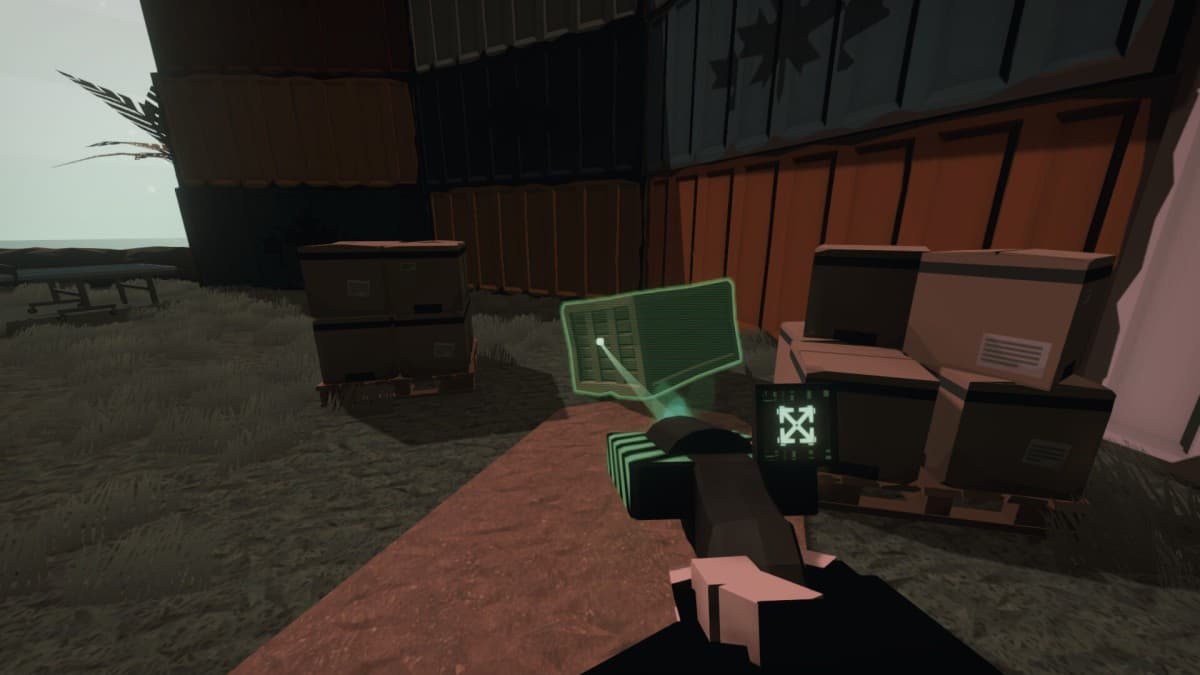
GoreBox is a sandbox-style video game developed by Swedish independent studio F²Games, released in 2023. The game emphasizes player-created scenarios involving physics-based weapons, blood effects, and dismemberment mechanics. It gained significant popularity among younger audiences — particularly in the Philippines and Southeast Asia — through clips shared on short-form video platforms like TikTok and YouTube.
The title has attracted criticism from parents' groups and child safety advocates in multiple countries for its graphic content, though it faced few formal regulatory actions prior to the CICC's move.
Government Reaction and Broader Implications
President Ferdinand Marcos Jr. was reported to be open to proposals that would restrict or ban violent online games accessible to minors in the Philippines. This signals that the CICC's action may be a precursor to broader policy discussion rather than an isolated incident response.
The Tacloban shooting has reignited a longstanding debate in the Philippines and across Southeast Asia about age ratings for video games, parental controls, and whether regulatory bodies have the authority and capacity to enforce restrictions on digital content accessed primarily through mobile devices.
What Happens Next
The CICC's temporary block on GoreBox will remain in place while the investigation continues. If investigators find no credible link between the game and the attack, the block could be lifted. If authorities determine that content regulation is warranted — independently of the specific incident — a formal process for permanent restriction would need to follow through legislative or executive channels.
For the tech and gaming industry, the case underscores the ongoing sensitivity around violent game content in markets with younger demographic profiles and evolving digital regulation frameworks.
Sources: