At least three Philippine shipping companies have stopped accepting electric vehicles (EVs) and hybrids on their ferries, in the fallout from the MV June Aster fire off Coron, Palawan that killed 77 people on September 9. The bans arrived before investigators have established what actually started the fire — and they leave the country's growing number of EV owners with fewer ways to move their cars between islands.
Who has banned what
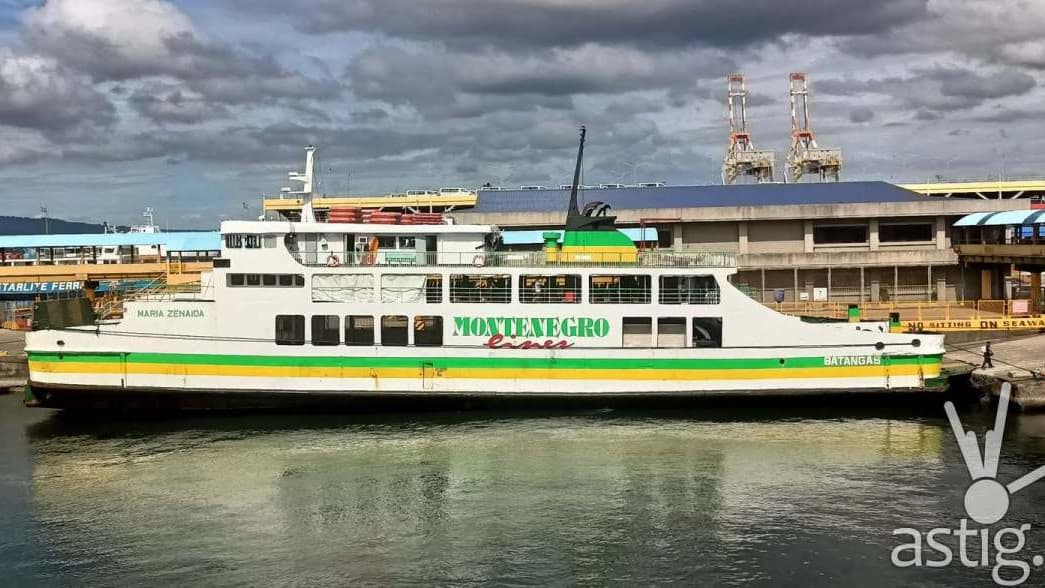
Montenegro Shipping Lines moved first. In a memorandum effective September 16, the company instructed that "effective immediately, all Masters are hereby instructed NOT to allow any Electric Vehicle (EV) or Hybrid Electric Vehicle (HEV)" aboard any of its vessels, on any route, whether carried as a passenger's vehicle or as cargo. The memo — signed by safety and quality assurance manager Capt. Romeo Region and operations manager Dennis Berania, and noted by company president Vicente Montenegro — orders crews to inspect every vehicle before boarding, and stays in force until management issues a revised directive. The company called it a precaution "to minimize the risk of fire, explosion, thermal runaway and other potential hazards associated with electric and hybrid vehicle batteries during vessel operation."
Starhorse Shipping Lines followed on September 18, saying the batteries in today's electric and hybrid vehicles present risks that domestic roll-on/roll-off (RORO) service is not yet equipped to handle. Island Water has imposed a similar restriction on its passenger vessels.
The June Aster fire — and what investigators actually know
The MV June Aster caught fire in its cargo hold on September 9 while sailing for Coron, Palawan. The toll stands at 77 dead, 8 missing, and 43 survivors. The hold carried one electric vehicle, five motorcycles, a forklift, and a pickup truck, and survivors reported hearing explosions before the fire spread. The vessel's captain, Roel Sarmiento, surfaced on September 14 and has faced questioning.
Crucially, no cause has been established. The Department of Energy (DOE) has cautioned against blaming the electric vehicle while the investigation continues. "There was an electric vehicle in the vessel... But there were also internal combustion engines. That's why there's no finding yet," the department said of the early findings. The bans, in other words, are precautionary — imposed on a possibility, not a conclusion.
No rules existed — now the first ones are being written
The bigger revelation is regulatory: no nationwide Philippine rule governs how EVs travel on inter-island ferries. Each operator sets its own policy, which is why three companies could impose three separate bans overnight.
That gap is now being closed. "Right now, the existing regulations do not specifically prohibit the transport of electric vehicles. So we are now working with MARINA with the issuance of specific regulations, so our shipping lines will be properly guided," said Patrick Aquino, director of the DOE's Energy Utilization Management Bureau, referring to the Maritime Industry Authority. The Bureau of Fire Protection is separately folding lithium-ion battery risks into the implementing rules of the 2026 Fire Code.
Energy Secretary Sharon Garin framed the goal plainly: "We want Filipinos to trust that riding a ferry with an electric vehicle is just as safe as riding with any other vehicle."
What this means for Filipino EV owners
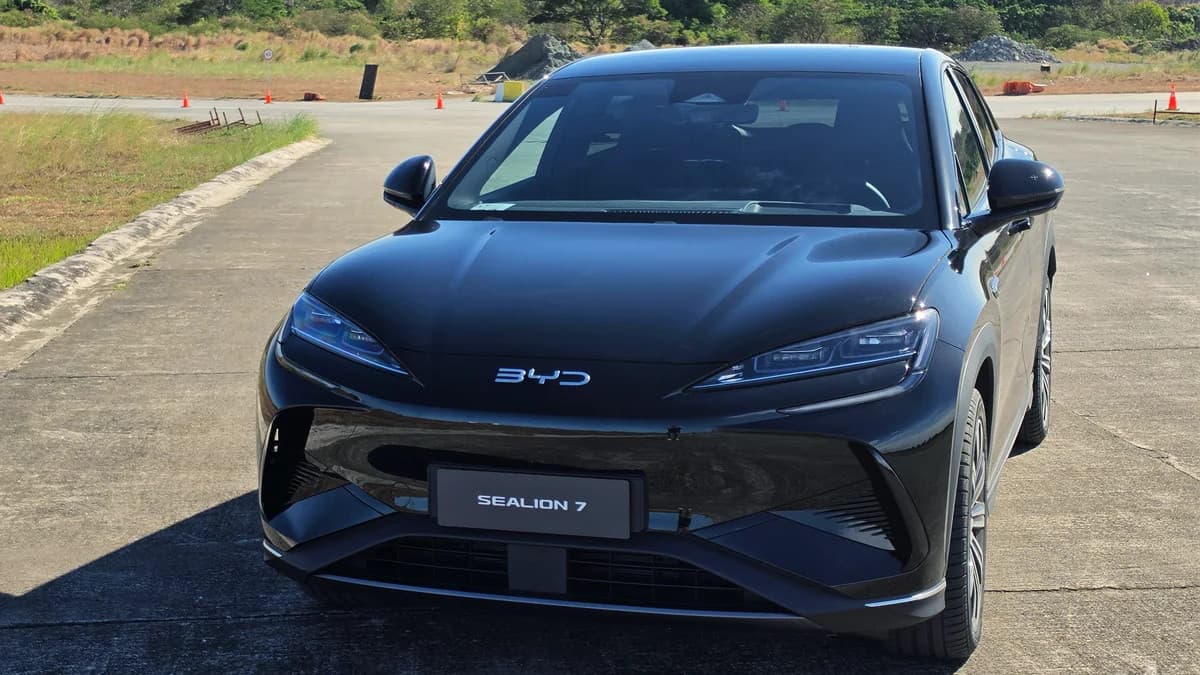
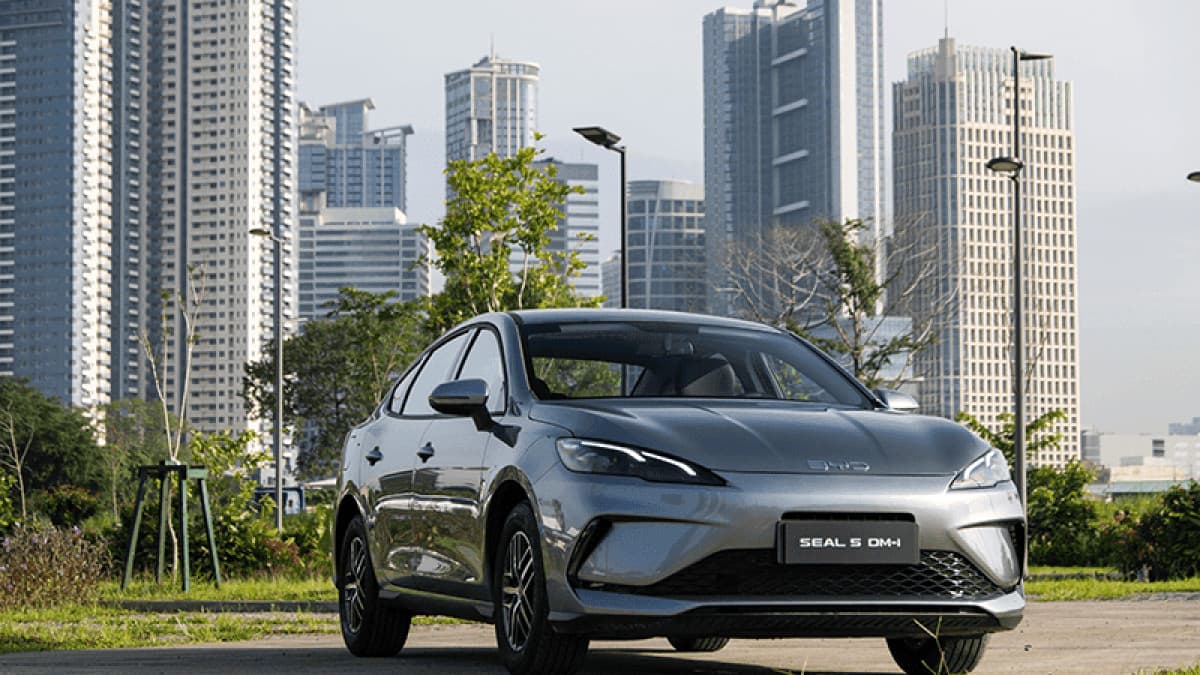
The practical hit is immediate. The Philippines is an archipelago; RORO ferries are how private vehicles cross between islands, and EV adoption here has been accelerating — from mainstream launches like the BYD Atto 2 at ₱998,000 to homegrown projects like Francisco Motors' ₱1,947,000 Elektron electric SUV. Until the DOE-MARINA rules land, an EV or hybrid owner planning an inter-island trip should call the shipping line before booking, because acceptance now varies by company and can change overnight.
The concern the operators cite is real physics: lithium-ion battery fires can enter "thermal runaway" — a self-sustaining chain of overheating cells that is hard to extinguish at sea. But the DOE's point cuts the other way: nothing yet ties the June Aster tragedy to the EV in its hold. The coming regulations will decide whether Philippine ferries handle EVs with specific safety requirements, as the DOE wants — or whether blanket bans harden into the default while the science is still unsettled.