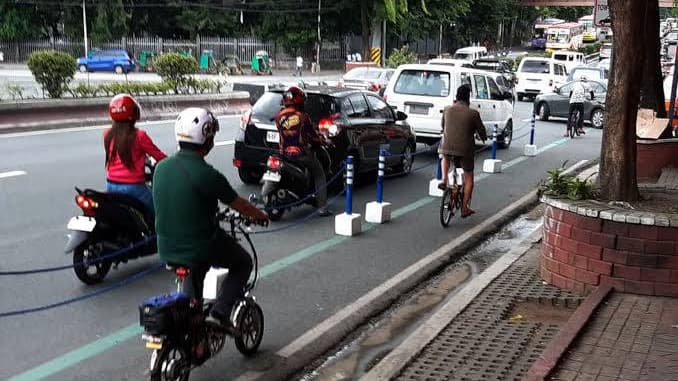
If you are saving up for an e-bike or e-scooter, a DTI draft rule would, 24 months after taking effect, bar the sale of any model or battery that lacks a government safety mark. The Department of Trade and Industry (DTI) wants light electric vehicles (LEVs) and their batteries certified before they reach Philippine stores, citing the risk of electrical faults, overheating and fires. The public can comment until December 13.
The draft is listed on the Bureau of Philippine Standards (BPS) comment platform as the "Draft DAO for Light Electric Vehicle and Batteries for LEV Applications 2026", dated October 14. A DAO is a Department Administrative Order. The full text was not available to us, so the details below come from news reports of the draft and of the public consultation, credited on each point.
What the DTI e-bike certification draft covers
The BPS presented the draft, formally titled the "Technical Regulation Concerning the Mandatory Certification of Micromobility", at a public consultation on October 14 at Seda BGC in Taguig, the Daily Tribune reported. Industry groups, testing bodies, e-commerce platforms, local manufacturers and trade representatives attended.
Products that would need certification:
- electric bicycles (e-bikes)
- personal e-mobility devices, such as e-scooters
- electrically propelled mopeds
- electric motorcycles
- the batteries made to power all of these
Products left out of the draft:
- charging stations and other EV charging equipment
- battery-swapping stations
- stationary home or grid battery storage
- electrical parts not specifically listed, although they can still be tested as part of a complete vehicle
Batteries would be certified separately from the vehicle. A certified e-bike would not cover a replacement battery sold on its own.
How certification would work: PS mark or ICC sticker
The draft uses the DTI's two existing certification routes. Context.ph's summary of the draft gives these details:
- Manufacturers would need a Philippine Standard (PS) license. It is valid for three years and comes with yearly factory audits.
- Importers without a PS license would need an Import Commodity Clearance (ICC) for every shipment.
- Each unit would carry a physical PS or ICC mark, so buyers can see it is certified.
- Violations could bring penalties, suspended operations and product recalls.
Context.ph is so far the only outlet we found reporting the licence terms, the shipment rule and the penalties. Treat them as the draft's current wording, which can change after consultation.
When the rule could start
The draft gives sellers a 12-month voluntary period before certification becomes mandatory. Full enforcement in the market would come 24 months after the order takes effect, according to Context.ph.
No signing date has been set. By our math, the earliest plausible timeline looks like this: comments close on December 13, 2026. If the DTI signed the order soon after and it took effect in early 2027, mandatory certification would start around early 2028. Full market enforcement would follow around early 2029. Any delay in signing pushes both dates back.
For buyers, this means e-bikes on sale today, and through most of 2027, will not need a PS or ICC mark.
The safety standards behind the draft
At the consultation, UL Standards & Engagement, a safety-science group, presented three international benchmarks, the Daily Tribune reported:
| Standard | What it covers |
|---|
| UL 2271 | The battery pack of a light electric vehicle |
| UL 2272 | The electrical system of personal e-mobility devices, such as e-scooters |
| UL 2849 | The full electrical system of an e-bike |
The difference matters. Tern's guide to UL claims on e-bikes explains that UL 2271 tests only the battery, including overcharging, short circuits and temperature changes. UL 2849 tests the battery, charger, motor, wiring, display and controller together. A bike can have a UL 2271 battery and still not be UL 2849-certified as a whole.
The DTI draft would require compliance with Philippine National Standards (PNS). Reports so far do not say which PNS numbers apply or whether they will mirror the UL standards.
What you can do before the rule exists
Until the order takes effect, no certification mark is required. Some checks still help when you shop:
- Read the safety claim closely. Tern's guide notes that "tested to" or "compliant with" a standard is weaker than "certified to" one, which means an accredited lab certified the product and audits the maker.
- Look for the standard number on the label. A clear claim names the standard, such as UL 2849, on a sticker on the bike or battery.
- Verify a UL number. If a seller says the product is certified by UL itself, Tern says the label number can be checked in UL's Product iQ database.
- Buy batteries with the same care as the bike. The draft treats them as a separate risk for a reason.
How to send a comment to the DTI
Comments on the draft are open until December 13, 2026, according to Context.ph's report. Comments go through the BPS comment platform linked above. On the platform, pick the light electric vehicle draft from the issuance list. Then enter the clause you are commenting on and your proposed change.
The rule would also arrive as the EV market grows. Vingroup's plan for a local factory, covered in our report on its ₱31.7-billion EV plant, is one sign of that.