If you are weighing an electric car, nothing changes at the showroom yet: the $500 million (around ₱31.7 billion) plant that Vingroup plans to build in the Philippines will not break ground until the first quarter of 2027, and the Department of Trade and Industry (DTI) says construction will take 12 to 18 months. The earliest a locally built car could roll out is 2028. What the October 21 announcement does change is the shape of the Philippine EV market, because 200,000 vehicles a year is roughly twenty times the number of battery-electric cars the country bought at this year's pace.
What the DTI announced
The figures come from a DTI news release issued on Wednesday, as reported by GMA News. Vingroup, the Vietnamese conglomerate behind the VinFast car brand, will put $500 million into a manufacturing facility with an initial capacity of 200,000 vehicles a year, serving both the domestic market and exports. Construction is targeted for the first quarter of 2027 and should take one year to 18 months. The group also plans to bring its electric scooters to the Philippines.
The DTI said the plant follows Vingroup's existing operations in Jakarta and India, and that the plan was discussed with Nguyen Quoc Tuan, Vingroup's vice chairman and the chairman of GSM Global, the group's taxi arm. In those talks the DTI presented two incentive routes: tax incentives under the CREATE MORE Act (Republic Act 12066) and faster permits through the Green Lanes mechanism under Executive Order 18. Trade Secretary Cristina Roque said the investment "underscores the Philippines' rising status as Southeast Asia's destination of choice for advanced manufacturing and green technology," and that the DTI is "fully mobilized to provide end-to-end facilitation."
One caveat on sourcing: every number above comes from the DTI. None of the outlets that carried the story, including the Inquirer, BusinessMirror and Context.ph, quoted a Vingroup statement, and we could not find the release itself on the DTI website at the time of writing.
What is still unknown
The gaps are large. As Context.ph and BusinessMirror both point out, the DTI has not disclosed the plant's location, how many jobs it would create, which vehicle models it would build, local parts-sourcing targets or the export markets it would serve. GMA's report adds that no agreement or memorandum was described as signed, and that no production start date was given. It is also unclear whether Vingroup will enrol in the government's Electric Vehicle Incentive Strategy (EVIS), the ₱60-billion programme meant to attract exactly this kind of factory. The Inquirer notes that if it does, it would be only the third manufacturer to express interest, and the programme's implementing rules are still being finalised. BusinessMirror quotes Roque saying those rules are expected "soon".
How big 200,000 vehicles a year is
Some arithmetic puts the capacity in context. Members of the Chamber of Automotive Manufacturers of the Philippines (CAMPI) sold 105,642 vehicles in the first quarter of 2026, according to Top Gear Philippines, which works out to about 420,000 a year at that pace. A 200,000-unit plant is therefore close to half the size of the entire CAMPI-member market. Battery-electric vehicles were a much smaller slice: 2,289 units in the quarter, or roughly 9,000 a year. By our math, the plant's capacity is more than twenty times the current battery-EV market, which is why the DTI's own description stresses exports.
VinFast's Philippine track record is short but steep. BusinessMirror cites CAMPI data showing VinFast Auto sold 115 vehicles in all of 2025. Top Gear Philippines puts it at 1,171 units in the first quarter of 2026, the top battery-EV brand ahead of Tesla's 469. The Inquirer reports 5,417 units in the first nine months of 2026, a 4,610 percent jump that made VinFast the country's eighth best-selling car brand. Note that CAMPI's tally excludes BYD, which reports separately.
Why now: fuel prices and ₱60 billion in incentives
Two things pushed the market this year. The first is the fuel bill. NoypiGeeks reported on October 21 that gasoline prices in the Philippines have risen 68.3 percent since the strikes on Iran in late February, citing globalpetrolprices.com, and that EV registrations including hybrids jumped 130 percent year on year to more than 67,000 in the eight months to August, a figure attributed to Patrick Aquino of the Department of Energy's Energy Utilization Management Bureau. ACMobility's Carla Buencamino, quoted in the same report, said EVs took almost 25 percent of car sales this year, up from 12 percent in 2025. The same report says the duty-free treatment of imported EVs expires in 2028 and the energy department wants it extended.
The second is policy. President Marcos signed Executive Order 121 on July 29, creating the EVIS programme with a ₱60-billion budget, as Newsbytes.PH reported. It will enrol up to four manufacturers, each able to register two models, with fiscal support capped at ₱15 billion per model through either Fixed Investment Support or Production Volume Incentives. Participants must bring locally built EVs to the domestic or export market within three years of registering, and the Board of Investments leads implementation, according to the Daily Tribune's summary. Vingroup's plan is the kind of commitment the programme was written for, but the DTI has not said whether it will apply.
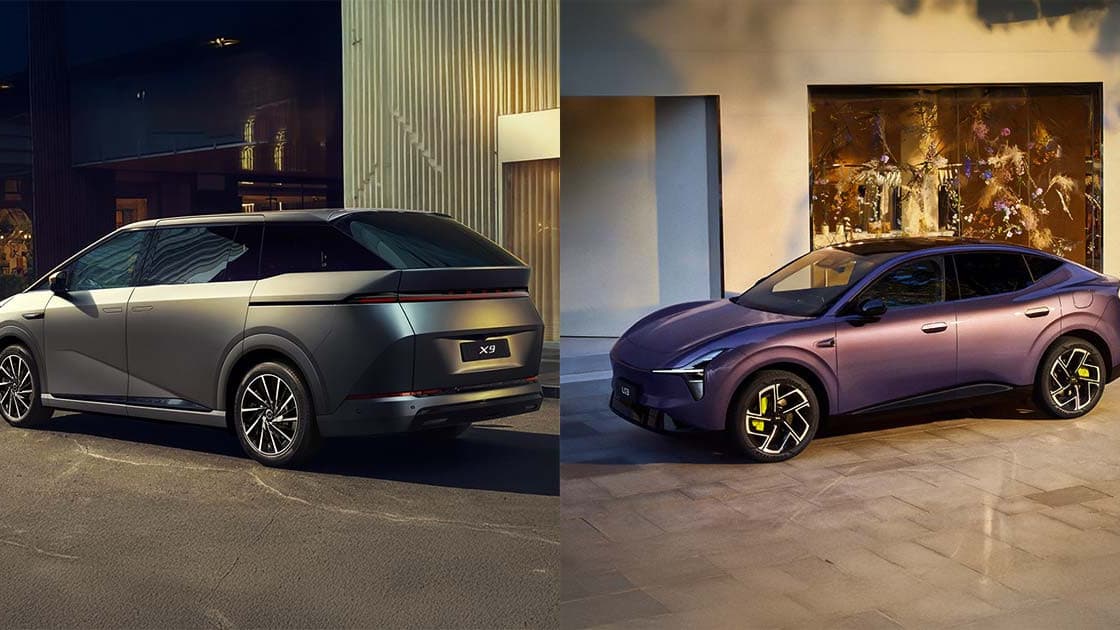
The plant announcement also lands in a year when EV brands have kept arriving as importers; XPeng launched in the Philippines in September with deliveries starting this quarter.
From "no plans" to a plant in six months
The shift is sharp. In April, Context.ph reported that Roque told a congressional hearing she had urged VinFast executives to "manufacture or assemble here" because "we need jobs for our people". VinFast's Philippines and Southeast Asia chief executive, Antonio Zara, said in an earlier interview that "at this point, there are no plans yet to manufacture in the Philippines". Six months later the commitment comes from the parent, Vingroup, rather than from VinFast Philippines, and with the incentive programme now law.
What changes for you at the showroom
For now, nothing. VinFast and every other EV brand sold here will keep importing cars, and the duty-free window on those imports runs to 2028. Whether a Philippine-built EV ends up cheaper than an imported one depends on details the DTI has not released: which models, whether Vingroup joins EVIS, and whether any of the incentive money reaches the sticker price rather than the factory. The dates to watch are the first quarter of 2027, when construction is supposed to start, and the release of the EVIS implementing rules that Roque says are due soon.