Nvidia is putting $3.5 billion (around ₱219 billion) into MediaTek, and the most interesting consequences may show up far from any data center — in the kind of affordable phones most Filipinos actually buy. Nvidia announced on August 31 that it will buy $3.5 billion in convertible bonds issued by MediaTek — debt that can later be swapped for shares — while the two companies deepen a partnership spanning AI infrastructure, consumer computing, and cars.
What the Nvidia-MediaTek deal covers
The agreement has three parts:
- AI infrastructure. MediaTek adopts NVLink Fusion, Nvidia's platform for connecting chips together at very high speed. That lets MediaTek's customers design custom AI accelerators (called XPUs) that slot into Nvidia's rack-scale "AI factory" systems, using Nvidia's chip-to-chip links and customized high-bandwidth memory.
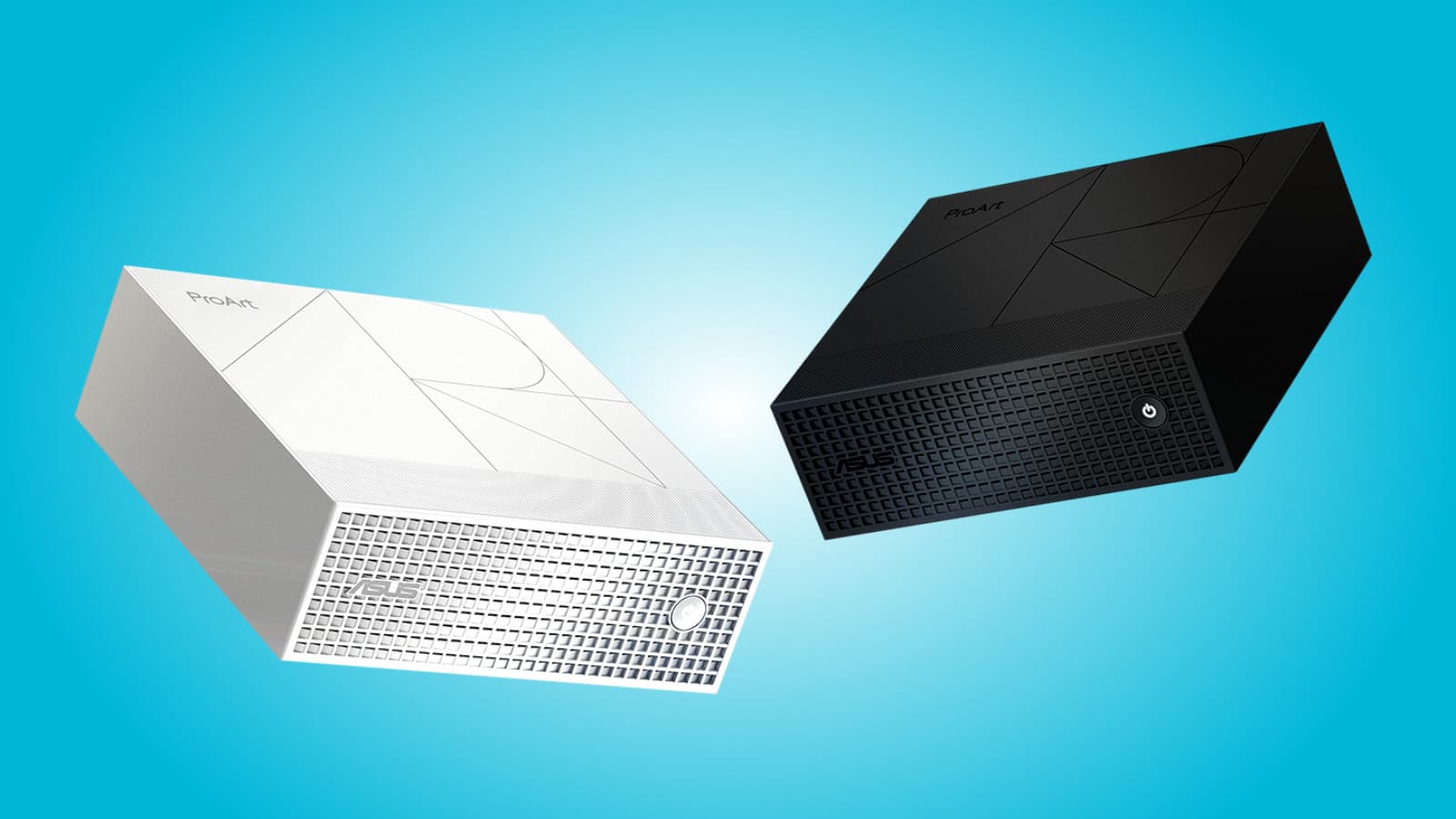
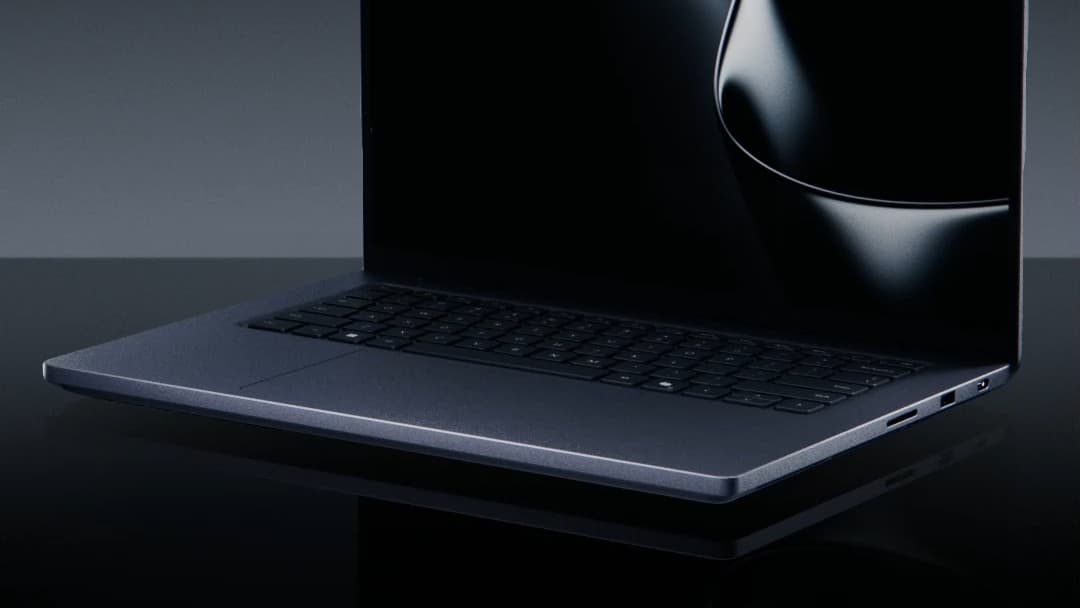
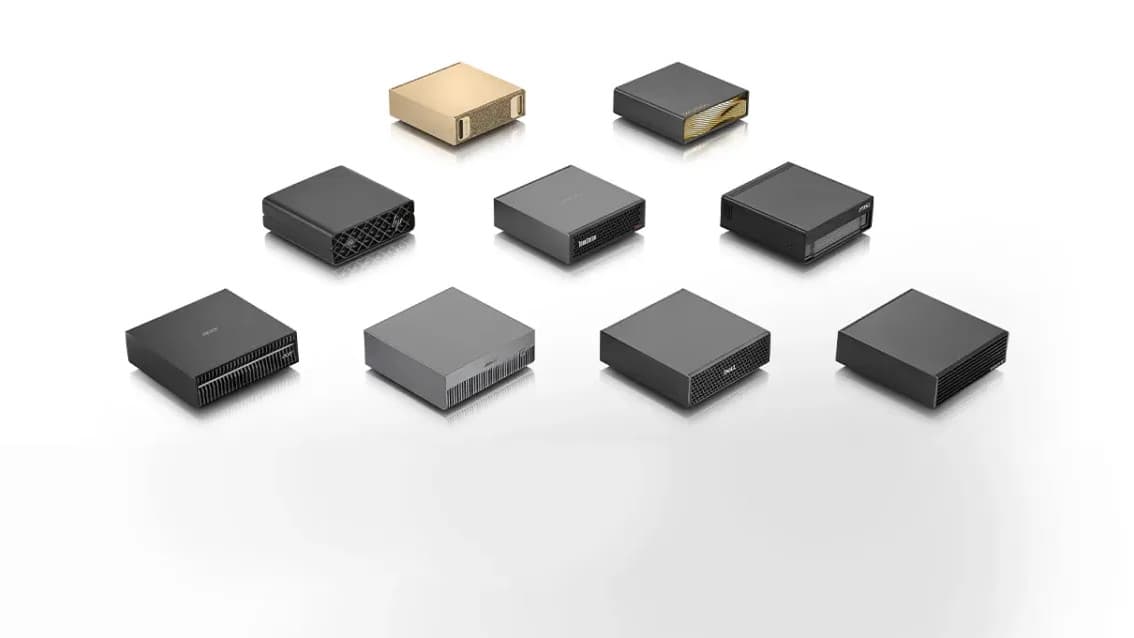
- Local AI computing. The companies will build multiple generations of RTX Spark and DGX Spark chips that pair Nvidia graphics processors with MediaTek SoCs — a system-on-chip, the single main processor that runs a device — for consumer PCs, AI developer systems, and enterprise workstations.
- Automotive. MediaTek's Dimensity Auto in-car platforms will integrate Nvidia technology for AI-powered, software-defined vehicles.
"Together, we're building platforms that bring NVIDIA accelerated computing to new markets," Nvidia founder and CEO Jensen Huang said in the announcement. MediaTek vice chairman and CEO Rick Tsai said combining Nvidia's accelerated computing with MediaTek's custom silicon expertise "can accelerate innovation."
Markets read it as a major win for MediaTek
Investors treated the announcement as a coronation. MediaTek's Taipei-listed shares surged the full 10% daily limit — at which point trading in the stock was halted — and closed at NT$4,315, about $136 (around ₱8,500) per share, Light Reading reported. Analysts at securities firm Yuanta called the NVLink Fusion piece the most critical part, since it pulls MediaTek into data-center infrastructure alongside its consumer chip business.
The deal also fits a pattern. Nvidia, now valued at about $5 trillion (around ₱312 trillion), has been anchoring strategic partners with capital — including a $2 billion (around ₱125 billion) NVLink Fusion partnership with chip designer Marvell, and its reported $129-billion agreement to acquire Hugging Face.
Why this matters for the phones Filipinos buy
Nothing in the announcement is Philippine-specific, and no phone product was announced — the first RTX Spark and DGX Spark chips target PCs and workstations, not handsets. But MediaTek's position in the Philippine market makes this deal worth watching locally.
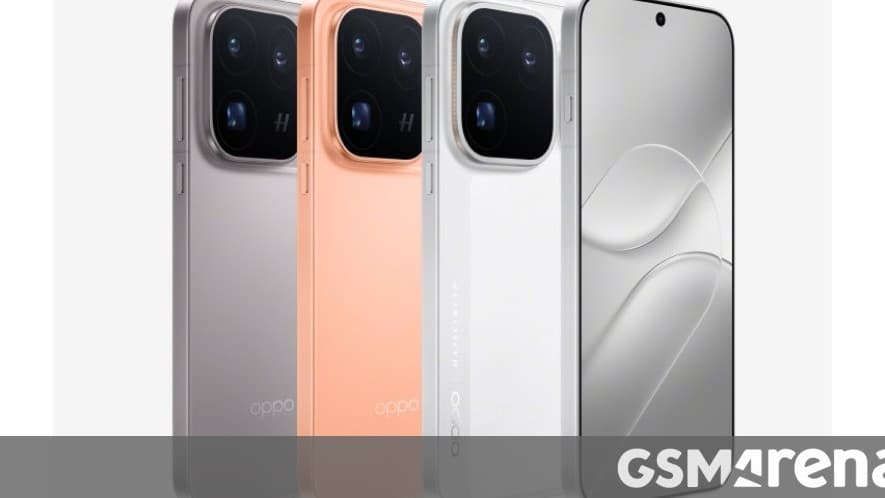
Omdia's Q2 2026 figures put Transsion — the group behind Infinix, TECNO, and itel — at 33% of Philippine smartphone shipments, with Xiaomi at 22%, Samsung at 16%, and HONOR and OPPO at 10% each; the top five brands hold a combined 91% of the market. Those budget-heavy lineups lean substantially on MediaTek silicon, from entry-level Helio chips to Dimensity 5G processors.
That makes MediaTek the most direct route by which on-device AI — features that run on the phone itself instead of sending data to the internet — could reach the ₱5,000 to ₱15,000 price tier that dominates Philippine sales. An Nvidia-backed MediaTek with access to Nvidia's AI technology stack is better placed to push those capabilities into low-cost chips. To be clear, that is a direction, not a promise: no Dimensity phone chip with Nvidia technology inside has been announced.
What to watch next
The near-term signals will be MediaTek's next flagship Dimensity launches, the first RTX Spark consumer PCs to reach retail, and whether NVLink Fusion custom accelerators win cloud customers. For Filipino consumers, the longer-term question is simpler: how quickly the AI features now marketed on ₱60,000 flagships trickle down to the budget phones that 9 in 10 local buyers choose.