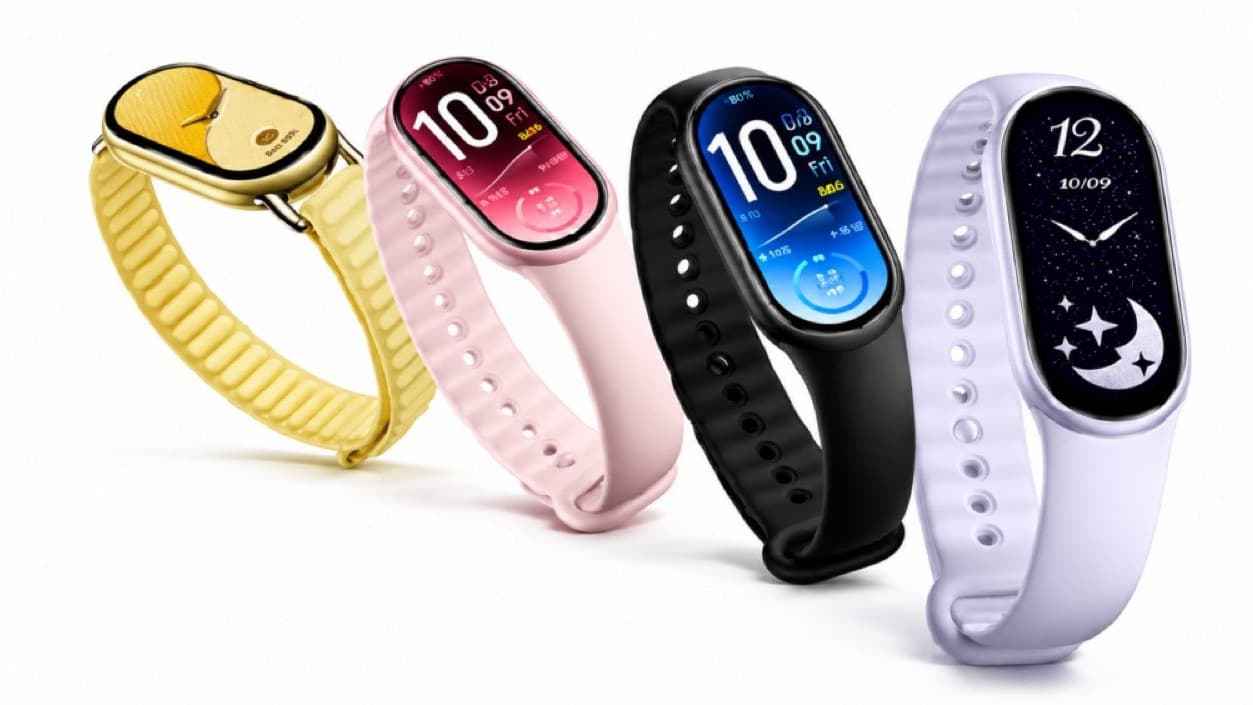
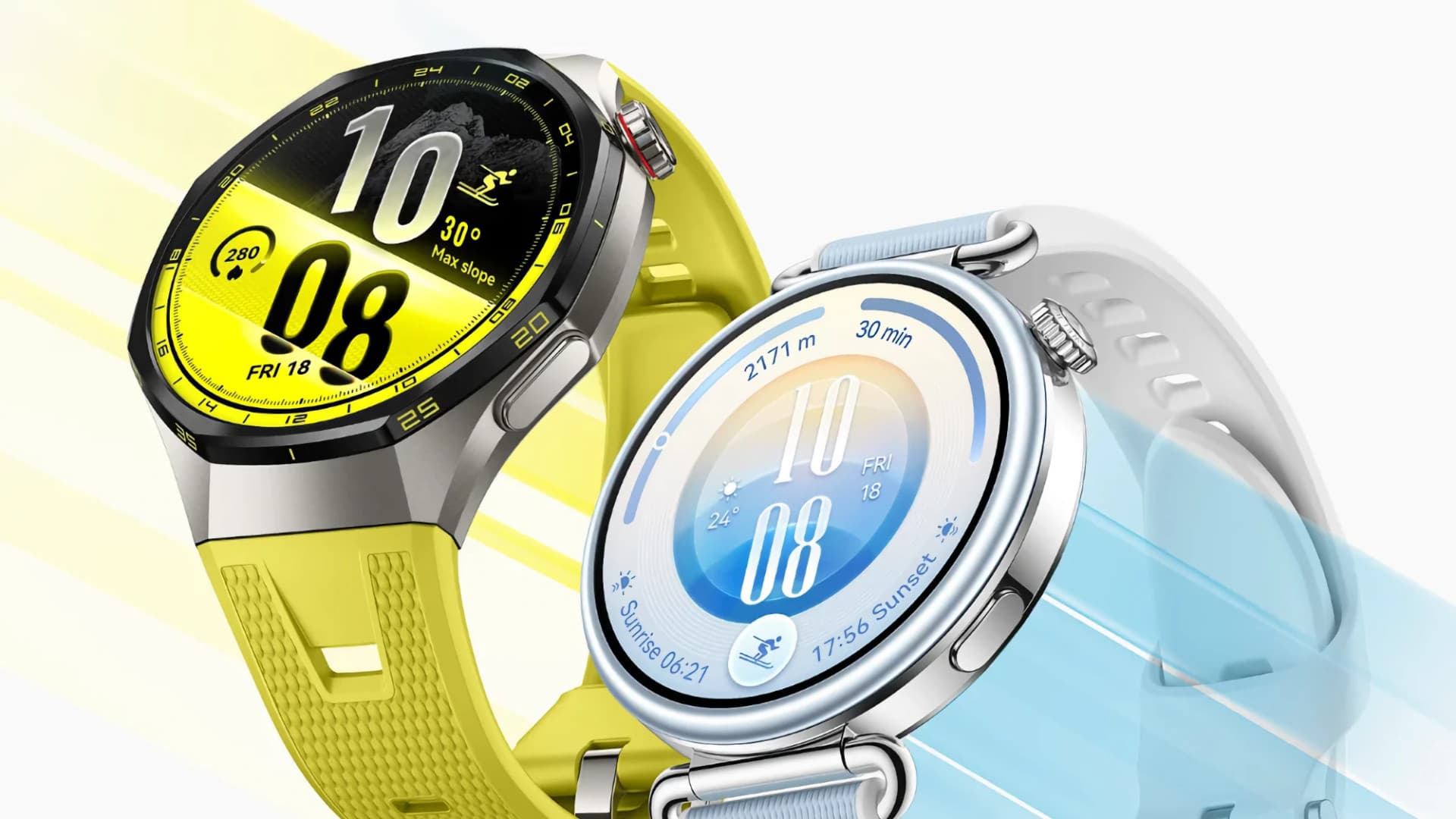
Xiaomi's budget fitness band — the one that put activity tracking on millions of wrists that would never pay smartwatch money — has a new generation. The Smart Band 11 went official in China with a brighter screen, a slimmer body, and a longer battery rating than the Smart Band 10 it replaces.
What's new over the Smart Band 10
The 1.72-inch AMOLED display now peaks at 2,000 nits, up from 1,500 nits on the previous model — the difference between squinting at your wrist under noon sun and just reading it. The refresh rate is 60Hz, and an always-on display mode is available. The core module slims down to 9.99mm thick and weighs 15.58 grams before straps, and the software moves to Xiaomi's HyperOS 4, with companion-app support for both Android and iOS.
Battery and health tracking
Xiaomi rates the battery at up to 21 days of typical use, dropping to around 9 days with the always-on display active. Magnetic charging refills it in about an hour.
The health stack covers the usual sensors — heart rate, blood-oxygen (SpO2), and stress monitoring — plus over 150 sports modes and 5ATM water resistance for swimming. The headline addition is sleep-focused: the band now tracks heart rate variability (HRV, the beat-to-beat variation that reflects how well your body is recovering) overnight and pairs it with AI-generated sleep analysis that turns the raw data into written recommendations. Female health tracking is included as well, and the sensor set includes an accelerometer, a gyroscope, and an electronic compass for workout and navigation data.
Variants and China pricing
- Standard: ¥289 (about $43, or around ₱2,700)
- NFC edition: ¥339 (about $50, or around ₱3,100)
- Ceramic and all-metal Special Editions: ¥399 (about $60, or around ₱3,800)
Reservations are open through Xiaomi's own channels and major Chinese e-commerce platforms. The NFC edition matters mostly in China, where the band doubles as a transit and payment card; the ceramic and metal editions dress the same internals in premium cases. The peso figures above are conversions at current exchange rates, not official prices — Xiaomi typically sets Philippine pricing separately at launch.
When can Filipinos buy it?
Not yet — the Smart Band 11 is currently sold only through Chinese channels, and neither a global nor a Philippine release has been announced. International availability is expected to follow in the coming months, going by how the line has rolled out before, but that is an expectation rather than a commitment from Xiaomi.
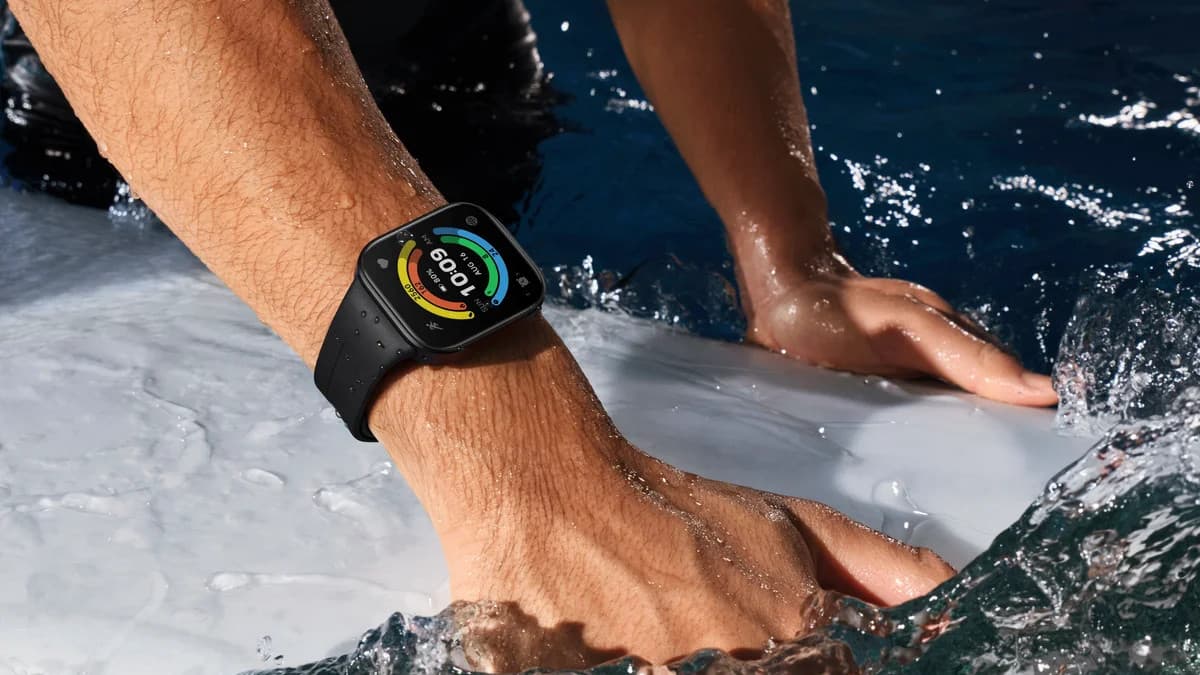
Xiaomi's wearables do reliably reach official Philippine retail, usually within a couple of months of a China debut — the Redmi Watch 6 Active landed locally at ₱2,399 in August — so the wait is more likely a matter of when than if. If the China pricing carries over at current rates, the Smart Band 11 would slot into the same under-₱3,000 bracket where its predecessor has been one of the default fitness-tracker picks in local stores.
For buyers choosing between a band and a cheap smartwatch, the trade is the usual one: the Smart Band 11 gives longer battery life and a smaller footprint, while entry-level smartwatches offer bigger screens for roughly similar money. What the new model changes is the screen-visibility argument — at 2,000 nits, the band's traditional weakness outdoors is largely gone.