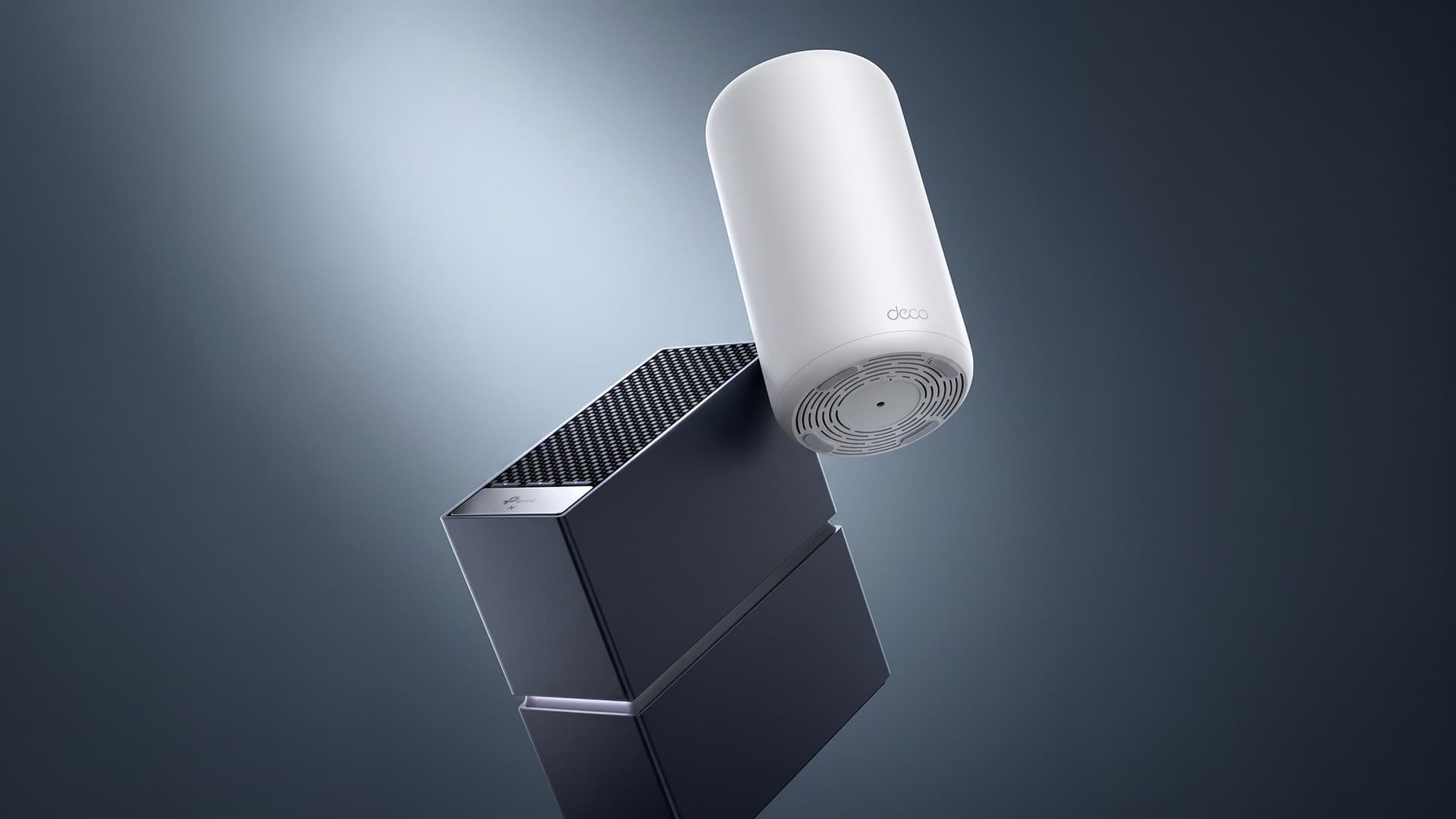
Wi-Fi 8 has moved from slideware to shipping hardware. TP-Link used IFA 2026 in Berlin to show what it calls the world's first complete Wi-Fi 8 lineup, led by the Archer 8 Ultra router and the Deco 8 Ultra mesh system, with pre-orders for the Archer 8 Ultra opening in select regions on September 30, per TP-Link's official announcement. There is no Philippine price or availability yet — but because TP-Link routers are everywhere on Philippine shelves, its launch cycle is the clearest signal so far of when Wi-Fi 8 reaches Filipino homes.
What Wi-Fi 8 actually improves
Wi-Fi 8 is built on the draft IEEE 802.11bn standard, and its pitch is different from every generation before it: stability instead of raw speed. Where Wi-Fi 7 chased peak throughput, 802.11bn carries an "Ultra High Reliability" designation — it targets the weak spots users actually complain about: dead zones at the edge of coverage, congested networks with many devices, and interference from neighbors.
TP-Link packages these under a "StabilityEngine" banner, built on chipsets from Broadcom, Qualcomm, and MediaTek:
- Enhanced Long Range (ELR) — better throughput at the far edges of coverage
- Distributed Resource Units (DRU) — improved efficiency for devices far from the router
- Non-Primary Channel Access (NPCA) — eases congestion by using secondary channels
- Unequal Modulation (UEQM) — keeps throughput consistent under interference
The first Wi-Fi 8 hardware
| Model | Type | Wireless speed | Wired | Notable |
|---|
| Archer 8 Ultra | Tri-band router | up to 19 Gbps | 10 Gbps | 18 internal antennas |
| Deco 8 Ultra | Tri-band mesh | up to 22 Gbps | 10 Gbps | 3-pack covers ~910 sq m, 200+ devices |
The Archer 8 Ultra opens for pre-order on September 30, the same day as TP-Link's global online launch event, where pricing is expected. The rest of the roadmap stretches into 2027: the Deco 8 Ultra mesh and a cheaper Deco 8 in the first quarter, then a Roam 8 travel router, range extenders, and client adapters through the second quarter.
Buying draft-standard hardware is a bet
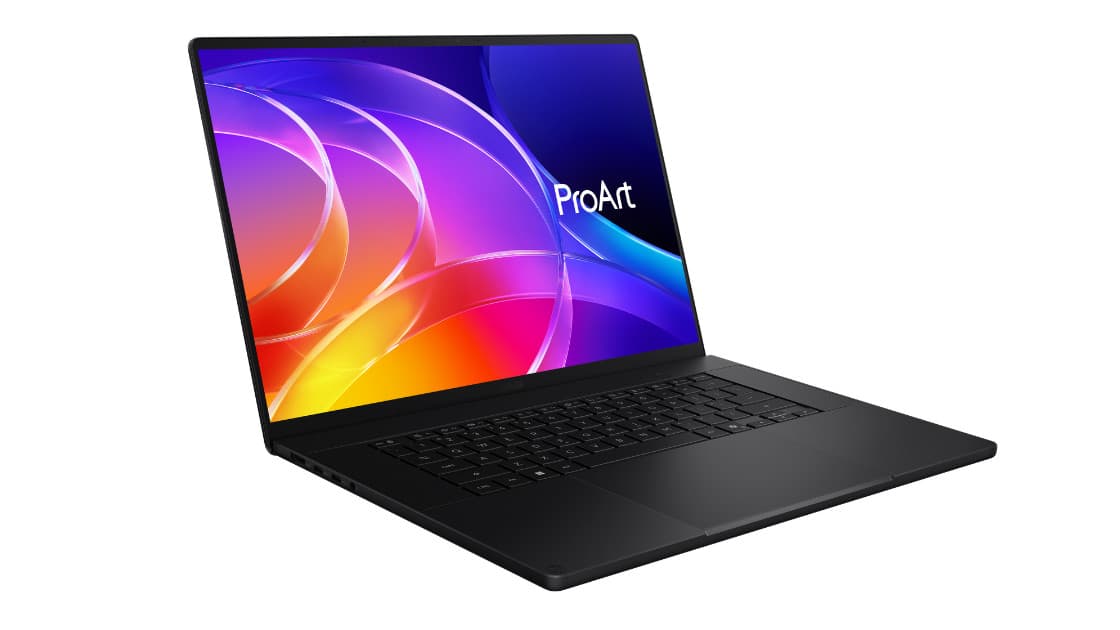
One caution before anyone lines up: the 802.11bn specification is not finished. The standard sits at Draft 2.0, with final publication expected in May 2028 — roughly two years after this hardware ships, Wi-Fi NOW's analysis notes. Early Wi-Fi 6 and Wi-Fi 7 gear shipped on draft specifications too and generally aged fine, but a draft-standard purchase always carries some risk that late changes leave first-generation products behind. TP-Link is also not strictly first: ASUS announced Wi-Fi 8 products on August 25. TP-Link's claim is breadth — a complete portfolio rather than a single router.
What this means for Filipino homes
Nothing announced so far includes the Philippines: the September 30 pre-order regions have not been named, and no peso pricing exists. Realistically, Wi-Fi 8 will arrive here first as premium hardware priced well above what most households pay for a router, the way early Wi-Fi 7 flagships did. There is also a practical mismatch to consider: a 19 Gbps router does nothing for a 300 Mbps fiber plan. The stability features are the genuinely interesting part for crowded Philippine households running dozens of devices — but for now, this is a story to watch, not a purchase to make. Wi-Fi 8 client devices — phones and laptops that can actually use the new features — barely exist yet, and the ecosystem will take years to fill in.