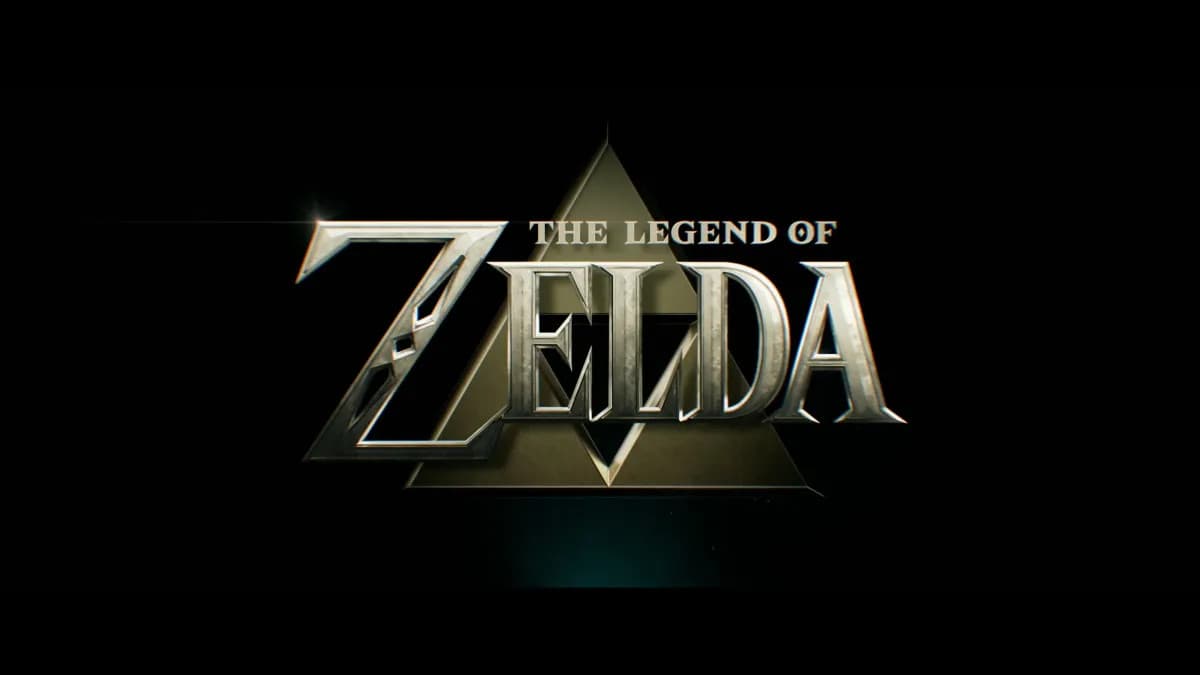
The live-action The Legend of Zelda film now has an official title and a locked release date. Nintendo confirmed during its Legend of Zelda 40th Anniversary Direct on September 8 that the movie is called simply The Legend of Zelda, with no subtitle, and that it opens in cinemas worldwide on April 30, 2027, Game Informer reported. Shigeru Miyamoto, the series' creator and one of the film's producers, told viewers the lack of a subtitle would make sense once they see it.
What Nintendo confirmed
- Title: The Legend of Zelda
- Release: April 30, 2027, worldwide theatrical
- Director: Wes Ball
- Studio and distribution: Sony Pictures Entertainment handles worldwide theatrical release; Nintendo and Sony co-finance, with Nintendo putting in more than 50% of the budget, per Yahoo Entertainment's report
- Cast: Benjamin Evan Ainsworth as Link, Bo Bragason as Princess Zelda, Uli Latukefu as Ganondorf, Dichen Lachman as Impa
Yvonne Strahovski, Sam Neill and Lydia Peckham are also attached to the film, though their roles have not been confirmed.
No trailer was shown. Game Informer notes that a separate Nintendo Direct for the film's first trailer is expected.
An original story, not an adaptation of one game
Miyamoto described the film as an original story built from the many ideas and concepts the series has accumulated over 40 years of games, rather than a retelling of a single title. He said Nintendo's own development team was involved alongside him, and called the result an artistic work worthy of the series, according to Game Informer's account of his remarks.
He also dropped one story hint. Raising the Triforce, the three-part golden relic at the center of the series' lore, Miyamoto asked viewers what role they thought it would play in the film and promised more details later.
Why the plain title is notable
Every mainline Zelda game since the 1986 original has carried a subtitle: Ocarina of Time, Breath of the Wild, Tears of the Kingdom and so on. Dropping that convention for the film is a deliberate break, and Miyamoto's comment suggests the reason is tied to the story itself.
The rest of the 40th anniversary Direct
The film announcement was one part of a roughly 30-minute presentation marking the series' anniversary. The official Nintendo Direct page lists the other headline items:
- The Legend of Zelda: Ocarina of Time for Nintendo Switch 2, releasing November 5, 2026 and now available for pre-order, billed as the legend reborn for a new generation.
- The Legend of Zelda 40th Anniversary Concert Series, live orchestral performances of music from the games.
- Support for watching Directs inside the Nintendo Today! smartphone app.
The film's date therefore sits roughly six months after the Ocarina of Time re-release, giving Nintendo a long anniversary window.
Nintendo's second film after Mario
This is Nintendo's second major theatrical project, following the animated Super Mario Bros. films made with Illumination and Universal. The Zelda film is a different kind of bet: live action, a different studio partner in Sony, and Nintendo carrying most of the financing itself. That last point means Nintendo, not the studio, has the most riding on the April 2027 opening.
Will it screen in the Philippines?
Sony Pictures is handling worldwide theatrical distribution, and the April 30, 2027 date is described as a global release. No Philippine-specific release date, distributor announcement or cinema listing has been published yet. Filipino Zelda fans should expect the film to reach local cinemas in the same window, but that is an inference from the global date, not a confirmed schedule. Nintendo also has no official retail presence in the Philippines, so any anniversary hardware or merchandise would come through third-party sellers.
For local gamers, the nearer date is the Ocarina of Time release on November 5, 2026, which will be purchasable digitally on Switch 2 from the Philippines. Game-to-screen adaptations have proven they can drive interest back into the games themselves, as the surge in GTA 6 pre-orders after its Netflix showcase showed earlier this year.