Key Takeaways
- Samsung raised prices for some advanced contract chipmaking (foundry) services by up to 15 percent for new orders, effective July 2026
- The 4-nanometre SF4 process rose 10–15 percent for customers in China and the US, and 5–10 percent for customers in Taiwan; 5nm SF5 rose 10–15 percent; even the older 8nm line went up nearly 10 percent
- The hikes are driven by AI chip demand that has saturated rival TSMC's advanced capacity
- Samsung's foundry business has been loss-making since 2022 — an analyst says the increases could make it profitable as early as next year
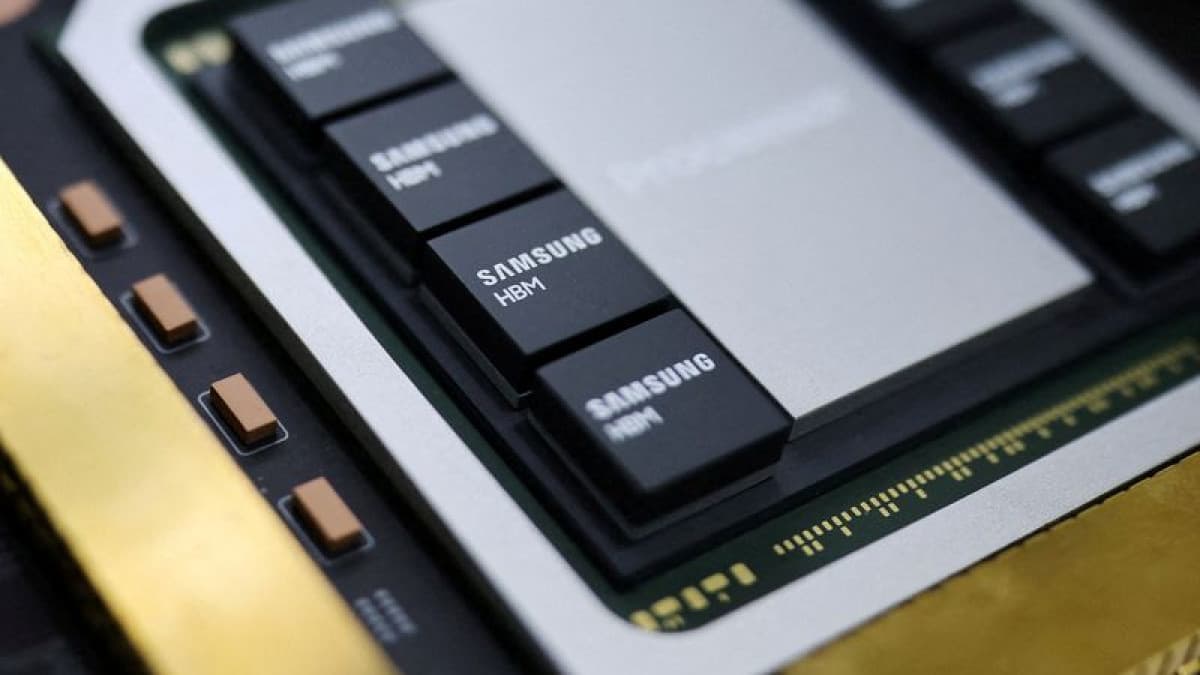
Samsung has raised the prices of its advanced contract chipmaking services by as much as 15 percent, according to a Reuters report published August 19 citing industry sources. The increases, which took effect for new orders in July, mark a turning point for a foundry business that has spent years discounting to win customers away from Taiwan's TSMC.
A foundry, in this context, is a factory business that manufactures chips designed by other companies — the way TSMC builds processors for Apple and Qualcomm.
The increases, node by node
The price adjustments are not uniform. Per the Reuters report:
| Process | Increase | Who pays it |
|---|
| SF4 (4nm) | 10–15% | Customers in China and the US |
| SF4 (4nm) | 5–10% | Customers in Taiwan |
| SF5 (5nm) | 10–15% | Across customers |
| 8nm | ~10% | Across customers |
Chinese customers are reportedly accepting the steepest increases. US export restrictions on advanced chipmaking equipment have limited what Chinese chipmakers can produce at home, pushing local firms toward overseas foundries — and Samsung cannot meet all of that demand because it must also serve US customers and reserve capacity for its own chips.
Why Samsung can suddenly charge more
For years Samsung's foundry arm was the industry's discount option, and it still lost ground: analysis by TECHi notes Samsung's share of global foundry revenue fell to 7.3 percent in the second quarter of 2026, down from 11.5 percent a year earlier, while TSMC's climbed past 70 percent. What changed is scarcity. Demand for AI chips has effectively sold out TSMC's advanced capacity, leaving customers with few alternatives — so even the number-two player can raise prices. The division has operated at a loss since 2022. "If Samsung raises prices from here, its foundry business could potentially become profitable as early as next year, earlier than previously expected," BNK Investment & Securities analyst Lee Min-hee told Reuters.
Will your next phone cost more?
No Philippine-specific price impact has been announced, and foundry contracts are several steps removed from retail shelves. But the direction of travel is clear, and it is not in the buyer's favor. Qualcomm has already confirmed a Snapdragon chip price hike starting September 1, and the same AI-driven capacity crunch has been pushing up memory prices — the force behind the MacBook Air shortage at Apple stores and this week's PS5 Pro price increase at local retailers. When the companies that make the chips, and the companies that buy them, are both raising prices, the phones, laptops, and consoles sold in the Philippines eventually reflect it. If there is a practical takeaway for local buyers, it is that 2026's hardware prices are unlikely to drift back down soon.