President Ferdinand Marcos Jr. is open to banning Facebook and gaming apps that harm young Filipinos, Malacanang said on August 25 — the strongest signal yet in a standoff between the government and online platforms over violent content and fake news. Presidential Communications Office Undersecretary Claire Castro delivered the message at a Palace briefing, and stressed that any ban would first need study and would depend on how platforms respond to government requests.
What the Palace actually said
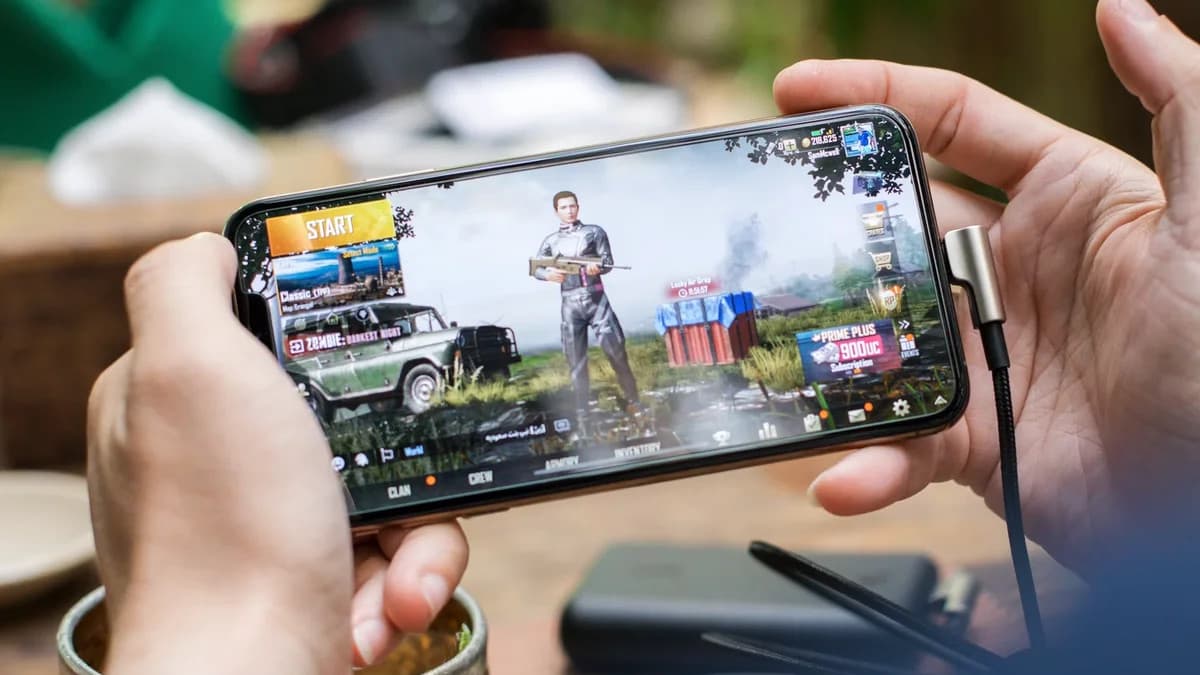
Castro said the President is open to removing "everything that can harm our youth and our country," including gaming apps, The Manila Times reported. She framed the threshold around accountability: if a platform ignores government requests to protect citizens against violence and fake news, she said, "it is worth considering whether they should remain."
Castro was careful to say the government is not targeting criticism of officials or legitimate free speech. The target, she said, is deliberate disinformation and harmful content that puts public safety and young people at risk.
The conditions for a ban
No platform has been banned, and no order has been issued. Based on the briefing, a ban would be considered only if studies show a platform:
- Harms the youth or the country
- Proliferates violent content
- Contributes to the spread of fake news
- Lacks accountability for that content
- Ignores or responds too slowly to government requests
The Palace also indicated that restrictions could reach apps and sites that endanger children or national security. Castro repeatedly returned to one point: proposals of this scale require study, particularly on whether platforms refuse to cooperate, and no study has yet concluded that a ban is warranted.
How the standoff escalated
The Palace statement is the third escalation in about two weeks. It follows the Cybercrime Investigation and Coordinating Center's (CICC) move to study a possible Facebook ban after a school shooting at Ateneo de Zamboanga University, where two students were killed — an attack authorities linked to violent content circulating online.
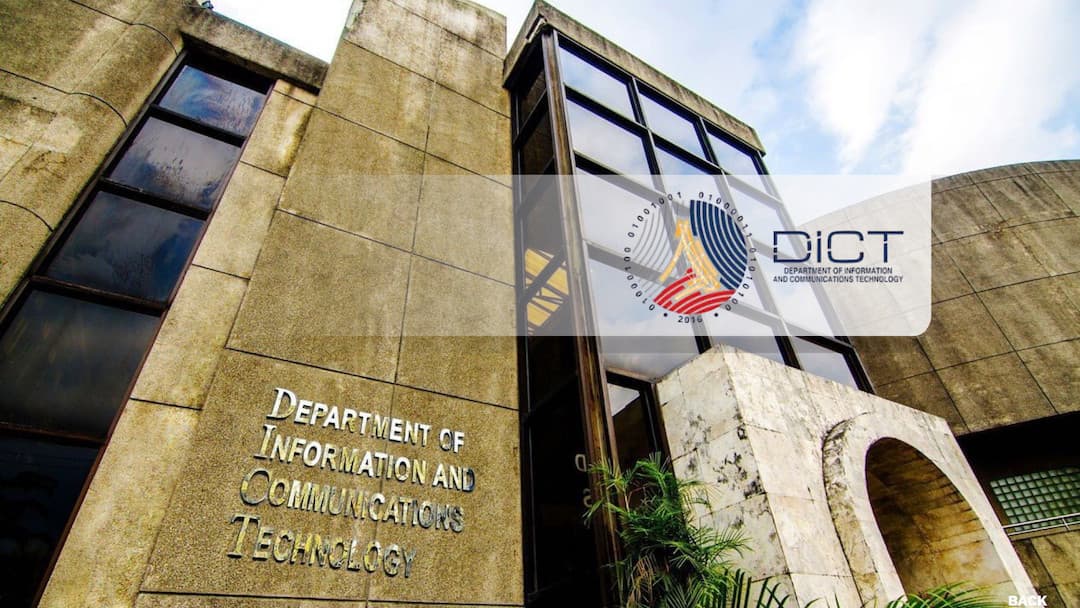
At the same time, the Department of Information and Communications Technology (DICT) has been coordinating with telcos on network-level filtering. Globe, PLDT, and Smart have already blocked more than 100 sites streaming school shootings and violent content, and Converge has since joined the effort.
The stakes are unusually large. Facebook has roughly 95 million users in the Philippines, which would make any ban or restriction one of the most consequential digital-policy moves the country could take.
Could Facebook actually go dark in the Philippines?
Nothing announced so far commits the government to a ban. The Palace consistently framed it as conditional — dependent on studies and on whether Meta and other platforms demonstrate accountability. What has changed is the direction of travel: in two weeks, the conversation moved from a CICC study, to telco-level blocking of specific sites, to the President's office saying a full platform ban is on the table. The CICC has also asked Congress for jurisdiction over social media and streaming platforms, which would give regulators a firmer legal footing than they have today.
The Philippines is not moving alone. New Zealand is pushing a law to ban under-16s from social media entirely, with fines of up to 10% of global revenue — part of a wider shift toward governments forcing platform accountability rather than requesting it.
What happens next
Castro said discussions will continue among government agencies and with the telcos. For now, the practical effect on users is the ongoing site blocking, not a platform ban. No timetable has been given for the studies, and neither the CICC nor the DICT has published criteria for what would trigger an actual ban order. But for the 95 million Filipinos on Facebook — and for the businesses, sellers, and communities that run on it — the message from the Palace is that continued access now depends on how Meta and its fellow platforms respond.