TikTok owner ByteDance and the Motion Picture Association — the trade group behind Hollywood studios such as Disney, Warner Bros., and NBCUniversal — have signed an agreement putting intellectual property guardrails on ByteDance's generative AI tools. The memorandum of understanding, announced on August 17, 2026, is one of the first formal accords between a major AI platform operator and the film industry over deepfakes and copyrighted content.
What the ByteDance-MPA agreement covers
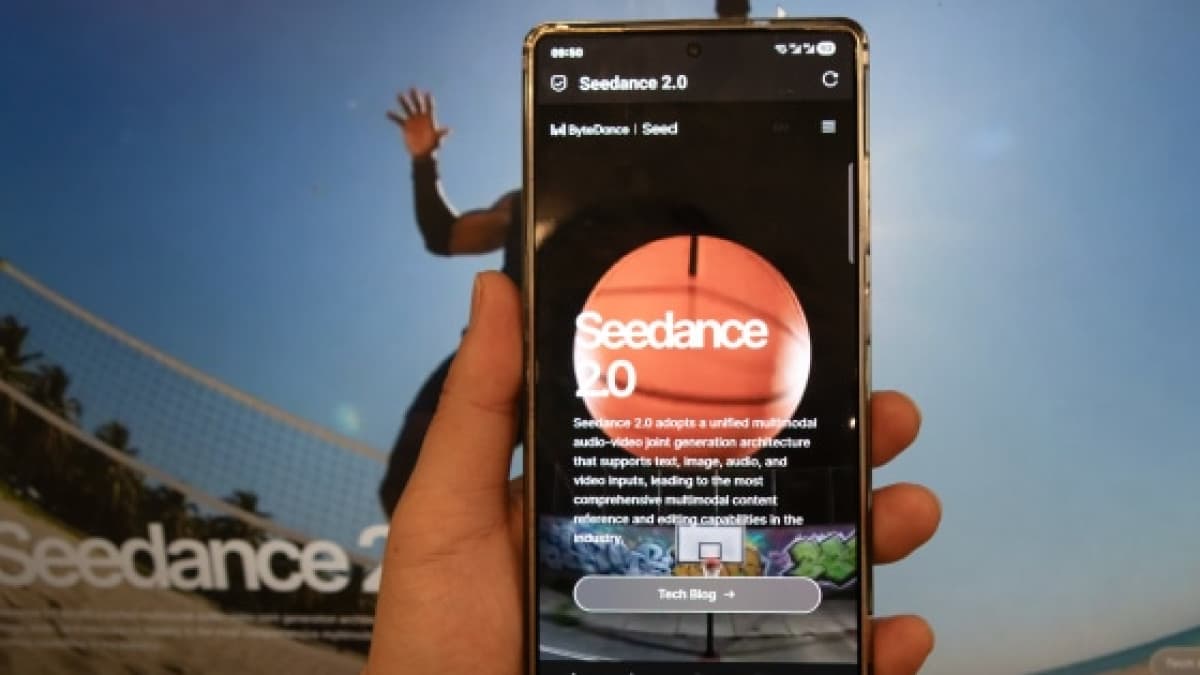
The deal covers ByteDance's Seedance video-generation and Seedream image-generation models, as offered through TikTok, the TikTok USDS joint venture (the separately governed US arm of TikTok), CapCut, and Dreamina, according to CGTN. NBC News reports that newer versions of the models include stronger protections designed to prevent unauthorized generation of copyrighted content, and that both parties will keep collaborating on safeguards as the technology evolves.
That list matters because these are not niche research models. Seedance and Seedream power the AI video and image features that ordinary users reach through TikTok's creation tools, the CapCut editor, and the Dreamina generation app — the consumer-facing surfaces where a copyrighted character or a celebrity face is most likely to be conjured casually, at scale.
Neither side has published a detailed technical protocol — there is no public list of what the models will now refuse, or how enforcement will be checked. A memorandum of understanding is a framework and a commitment to keep talking, not a binding rulebook, and that distinction will decide how much actually changes inside the apps.
From a viral Tom Cruise deepfake to a cease-and-desist
The agreement did not come out of nowhere. Earlier in 2026, a fully AI-generated video of Tom Cruise fighting Brad Pitt spread widely on social media, becoming a symbol of how convincing AI video had become. In February 2026, the MPA sent ByteDance a cease-and-desist letter over the handling of copyrighted works, with studios warning that the tools could generate content featuring their characters and celebrity likenesses without authorization.
"Today's agreement illustrates our belief that copyright is a cornerstone of the film and television industry," MPA Chairman and CEO Charles Rivkin said in the announcement. ByteDance General Counsel John Rogovin said the company "respects the intellectual property rights that underpin creative industries around the world."
The bigger copyright fight is not over
The pact settles one front in a much larger conflict. Disney, Warner Bros., and NBCUniversal are still pursuing a copyright lawsuit against AI image generator Midjourney, and studios continue to press other AI companies over training data and output controls. The ByteDance deal may become a template for those disputes — or a one-off truce with the platform Hollywood needs most for marketing its films.
What it means for Filipino TikTok and CapCut users
Few countries have more at stake in how TikTok's AI behaves than the Philippines. DataReportal's Digital 2026: The Philippines report counts 64 million Filipino TikTok users aged 18 and above — about 82 percent of the adult population — and CapCut is a standard editing tool for local creators. The guardrails ByteDance builds to satisfy Hollywood will directly shape what the AI features inside those apps will and will not generate for Filipino users, from famous faces to studio characters. Local rules are moving in the same direction: the National Privacy Commission has already warned that AI images of real people can break Philippine law, so tighter platform-side controls arrive as regulators here are watching the same problem.