The United States is considering a second round of chip tariffs that would reach far beyond semiconductors themselves. Under the plan, import duties would also cover finished products built with chips — laptops, gaming consoles, and the servers that fill data centers. Politico first reported the discussions on August 27, citing eight people familiar with the talks, and Yahoo Finance and other outlets carried the story within a day. For the Philippines, where electronics make up more than half of all export revenue, the stakes are unusually direct.
What the expanded chip tariffs would cover
Today's tariff talk centers on chips. The new approach would widen the target list to the devices those chips go into. As Kotaku summarized from the Politico report, one option under consideration would "dramatically expand the number of tech products subject to the duties, hitting not just chips but potentially many of the goods made with them, such as laptops, gaming consoles or the servers that fill data centers."
The plans are described as preliminary and fluid. Any eventual tariffs are expected to be phased in gradually rather than switched on all at once, and details could change significantly over the coming months.
January's exemptions may not carry over
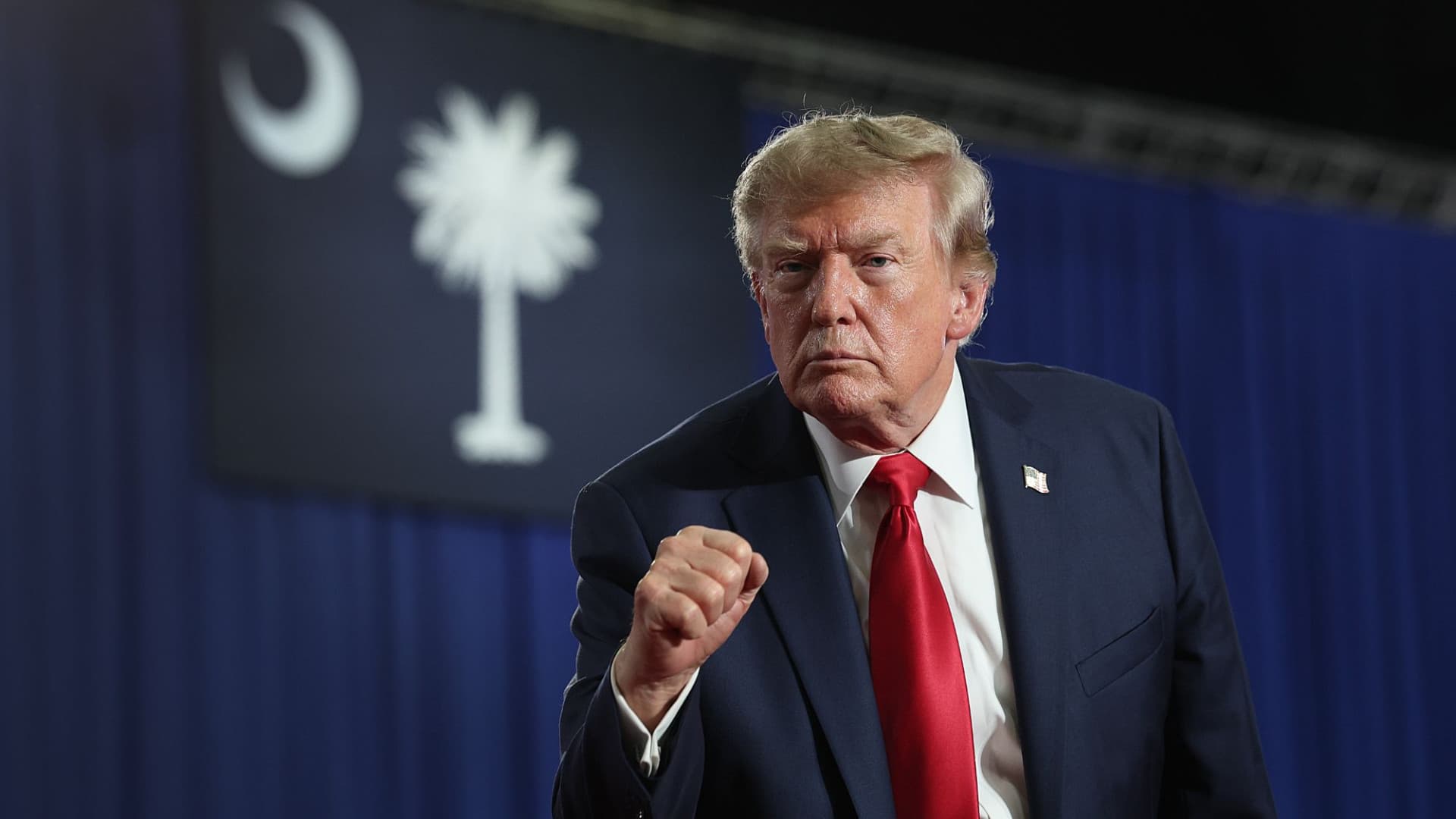
In January, the US imposed a 25% tariff on certain AI chips. President Donald Trump had also floated tariffs of around 100% on semiconductors, alongside a promise of exemptions for companies that manufacture on US soil — a promise that, per Yahoo Finance's report, "never came to fruition." The concern now is that the carve-outs the industry assumed were settled may not survive a second round.
The White House, for its part, says its trade posture has "already secured hundreds of billions of dollars of investments in this key sector." The administration reportedly views the new duties as leverage to push companies into building chip manufacturing inside the United States.
There is also a legal backdrop. Kotaku notes that an earlier "reciprocal tariffs" regime was struck down by the US Supreme Court in a 6-3 decision earlier this year, which ruled the president cannot unilaterally impose import taxes without congressional authorization — and that console makers received substantial refunds afterward. Any new tariff push would land in that contested legal environment.
Devices are already getting more expensive
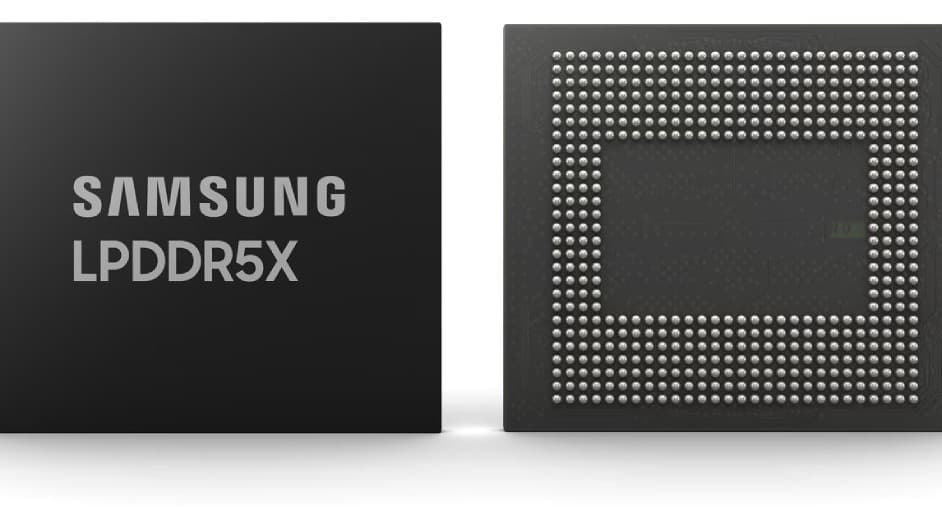
Even before tariffs, hardware prices are climbing. A global memory shortage — driven by AI companies buying up RAM and storage capacity — has pushed up costs across the industry, from Samsung's foundry price increases to the PS5 Pro's price climbing to ₱64,995 in the Philippines. Tariffs on finished laptops, consoles, and servers would stack a second cost pressure on top of the first.
Why the Philippines has more to lose than most
Electronics are the Philippines' single biggest export. Philippine Statistics Authority data cited by the Inquirer puts electronic products at $39.09 billion (around ₱2.4 trillion) in 2024 — 53.4% of the country's total exports. The US is also the top destination for Philippine goods, taking 16.6% of exports worth $12.14 billion (around ₱750 billion) in 2024.
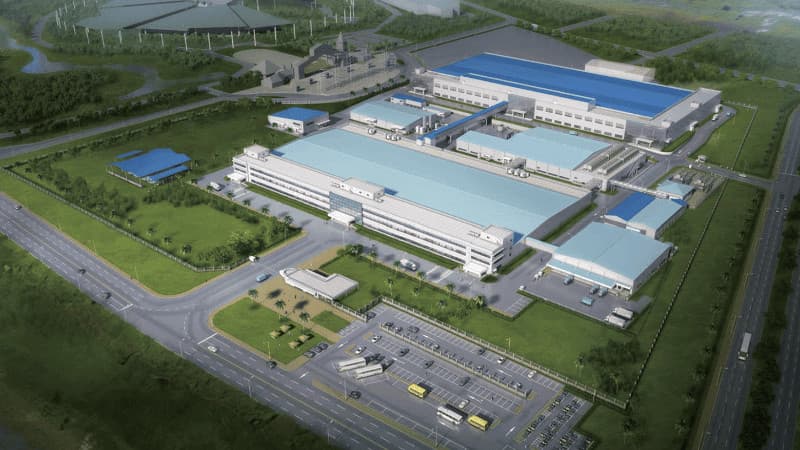
Manila has been working this problem since the first 100% chip-tariff threat surfaced. As early as August 2025, Special Assistant to the President for Investment and Economic Affairs Frederick Go was lobbying the US Trade Representative for a semiconductor exemption, arguing that assembly, testing, and packaging — the Philippines' specialty — is work American chipmakers "would probably want to outsource" anyway. Extending duties from chips to finished laptops, consoles, and servers would widen the exposure of exactly those local assembly and testing plants.
For Filipino consumers, the effect would arrive through prices. Tariffs are paid on goods entering the US, but manufacturers tend to spread higher costs across global price lists — so the same laptops and consoles sold here could carry part of the burden.
What happens next
Nothing is final. The proposal is in its early phases, subject to significant change, and would roll out in stages if it proceeds. As of publication, the Philippine government has not publicly responded to this specific proposal, and no new tariff rates for finished devices have been announced. The next signals to watch are formal notices from the US Commerce Department and whether January's exemptions are renewed or scrapped.