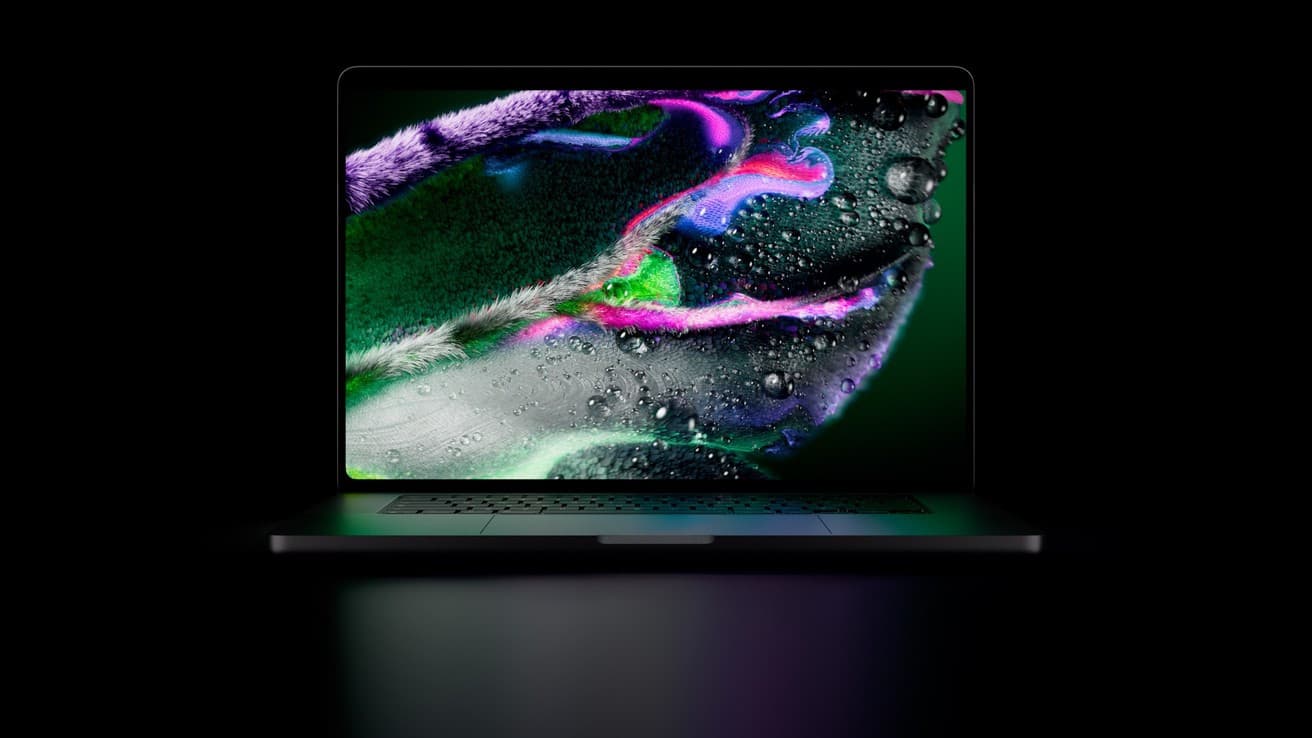
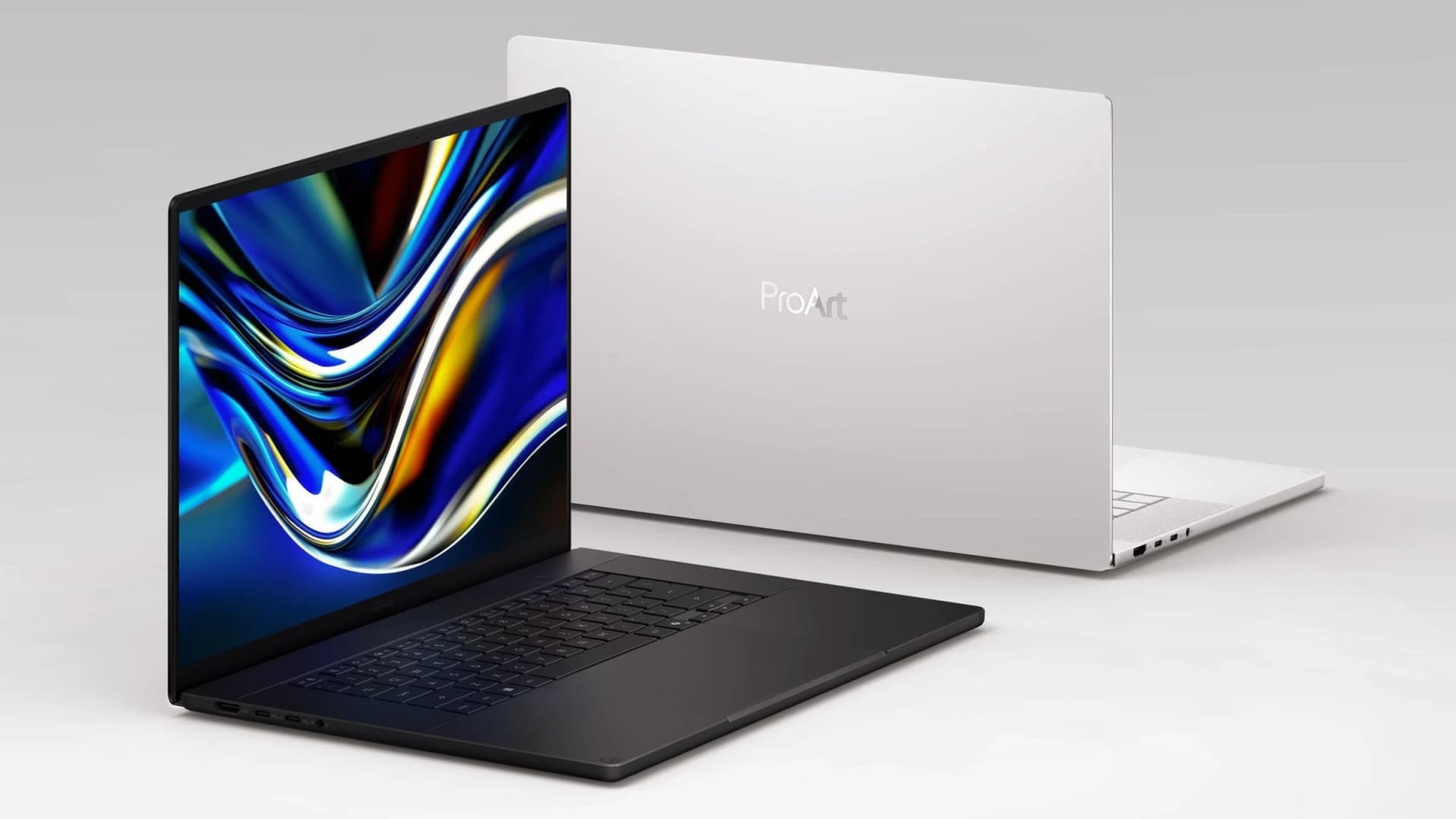
Adding touch to a MacBook Pro costs ₱35,000 in the Philippines. Apple's new 14-inch MacBook Pro with PROLED XDR Display starts at ₱214,990, while the same M5 Pro configuration with the regular screen sells for ₱179,990 on Apple's Philippine online store. That ₱35,000 gap holds across almost every matching model.
The touchscreen MacBook Pro is Apple's first Mac you can control by touching the screen. Apple announced it on October 28, and its Philippine newsroom post lists four starting prices for the local market. It does not give a Philippine release date yet.
Touchscreen MacBook Pro prices in the Philippines
Apple sells the new model in 14-inch and 16-inch sizes, each with an M5 Pro or M5 Max chip. These are the official starting prices, with Apple's education price for students and teachers:
| Model | Regular price | With education savings |
|---|
| 14-inch, M5 Pro | ₱214,990 | ₱203,990 |
| 16-inch, M5 Pro | ₱249,990 | ₱234,990 |
| 14-inch, M5 Max | ₱329,990 | ₱307,990 |
| 16-inch, M5 Max | ₱344,990 | ₱322,990 |
The Philippine store page for the new model shows the base 14-inch unit with a 15-core CPU, 16-core GPU, 24GB of unified memory (memory shared by the CPU and graphics) and 1TB of storage. A nano-texture glass option, which cuts glare, adds ₱9,750 on that model.
In the US, the same four models start at $2,899 (around ₱185,100), $3,399 (around ₱217,000), $4,499 (around ₱287,200) and $4,799 (around ₱306,400), according to Apple's US announcement. By our math, at ₱63.84 to the dollar, the base 14-inch costs about ₱29,900 more here than the converted US price.
Touch vs. regular display: the ₱35,000 question
Apple did not replace the older design. It still sells MacBook Pro models with the regular Liquid Retina XDR screen alongside the new one, so you can price the touchscreen directly against a non-touch twin. We compared matching chip, memory and storage configurations on Apple's Philippine store:
| Configuration | Regular display | PROLED XDR with touch | Difference |
|---|
| 14-inch, M5 Pro (15-core CPU, 24GB, 1TB) | ₱179,990 | ₱214,990 | ₱35,000 |
| 16-inch, M5 Pro (18-core CPU, 24GB, 1TB) | ₱214,990 | ₱249,990 | ₱35,000 |
| 14-inch, M5 Max (32-core GPU, 36GB, 2TB) | ₱294,990 | ₱329,990 | ₱35,000 |
| 16-inch, M5 Max (32-core GPU, 36GB, 2TB) | ₱309,990 | ₱344,990 | ₱35,000 |
Note that the 14-inch touch model costs exactly the same as the 16-inch regular one, ₱214,990. You choose between a bigger screen and a touchscreen at that price.
If you do not need M5 Pro power, the cheapest MacBook Pro is the 14-inch with the new M6 chip at ₱144,990, as Apple's M6 MacBook Pro announcement confirms. We broke down that model and the new iMac and iPad mini in our M6 MacBook Pro price guide. The M6 model has no touch option.
What the extra ₱35,000 buys
Apple lists these differences for the new model:
- Tandem OLED screen. OLED lights each pixel on its own, and a tandem panel stacks two layers for more brightness. Apple rates it at up to 2,000 nits for both regular (SDR) and HDR content, with a 10,000,000:1 contrast ratio and a 10Hz to 120Hz ProMotion refresh rate.
- Touch input. The touch sensor is built into the display panel itself. Apple also redesigned the hinge so the screen wobbles less when you tap it.
- Dynamic Island. The iPhone's pill-shaped status area comes to the Mac, where it holds Spotlight search, Live Activities and Siri AI.
- Lighter and thinner body. Apple's Philippine site lists the 14-inch M5 Pro touch model at 1.38kg, against 1.60kg for the regular 14-inch with the same chip. Apple says the 14-inch is half a millimetre thinner and the 16-inch nearly 1mm thinner than before.
- Pro display tools. Apple lists Adobe RGB colour support, calibration tools, reference modes and genlock (a feature that keeps the screen in sync with film cameras) for video and photo work.
The touch model has three Thunderbolt 5 ports, HDMI, an SD card slot, MagSafe charging and Wi-Fi 7. It is rated for up to 24 hours of battery life, and Apple says it charges to 50% in 30 minutes.
How touch works on the Mac
Touch adds to the trackpad and keyboard; it does not replace them. MacStories' launch report notes that Apple's demos showed the same multitouch gestures as on an iPad. It also notes that the laptop does not support the Apple Pencil, so this is not a drawing tablet.
Apple's own apps already work with touch, and MacStories lists Notion, Canva, Zoom, Microsoft's office apps and creative tools from Adobe and Blackmagic Design as coming later this year. Its editor John Voorhees wrote that he does not expect touch to become his main way of using a Mac. He added that tapping and dragging images and files directly feels natural for many people.
Should you wait for it or buy the regular model?
The answer depends on how you work:
- Photo and video editors, designers and colourists get the most from the brighter OLED panel and Adobe RGB support. For them, the ₱35,000 premium buys a better working screen, with touch as a bonus.
- Developers, students and office users gain little from OLED or touch. The regular 14-inch M5 Pro at ₱179,990 has the same chip for less, and the M6 model at ₱144,990 is cheaper still.
- Students and teachers should check Apple's education price first. It cuts ₱11,000 off the base 14-inch touch model.
As of October 30, Apple's Philippine store shows "Check back later for availability" on the new model, and the local announcement only says it will be available "soon" at apple.com/ph and Apple Authorized Resellers. In the US, orders opened on October 28 and deliveries start on November 6. Apple has not said when Philippine orders will open.
Before the launch, we looked at whether Philippine buyers should wait for Apple's October 28 event.