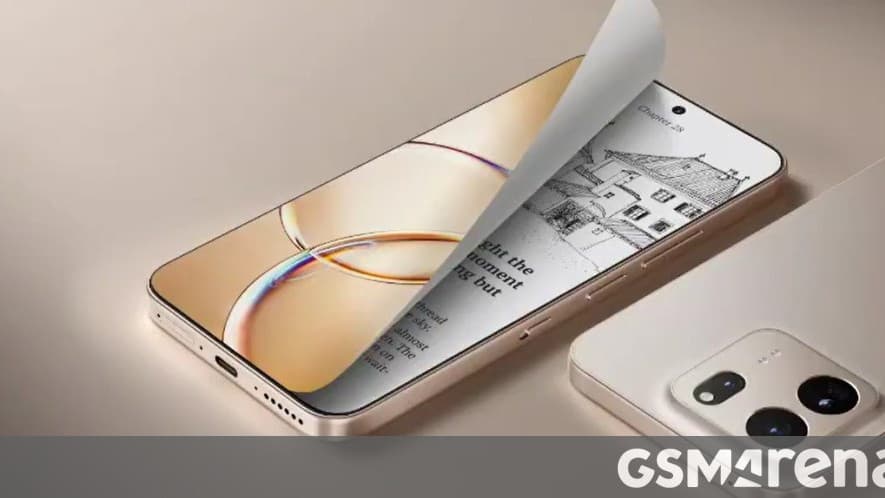
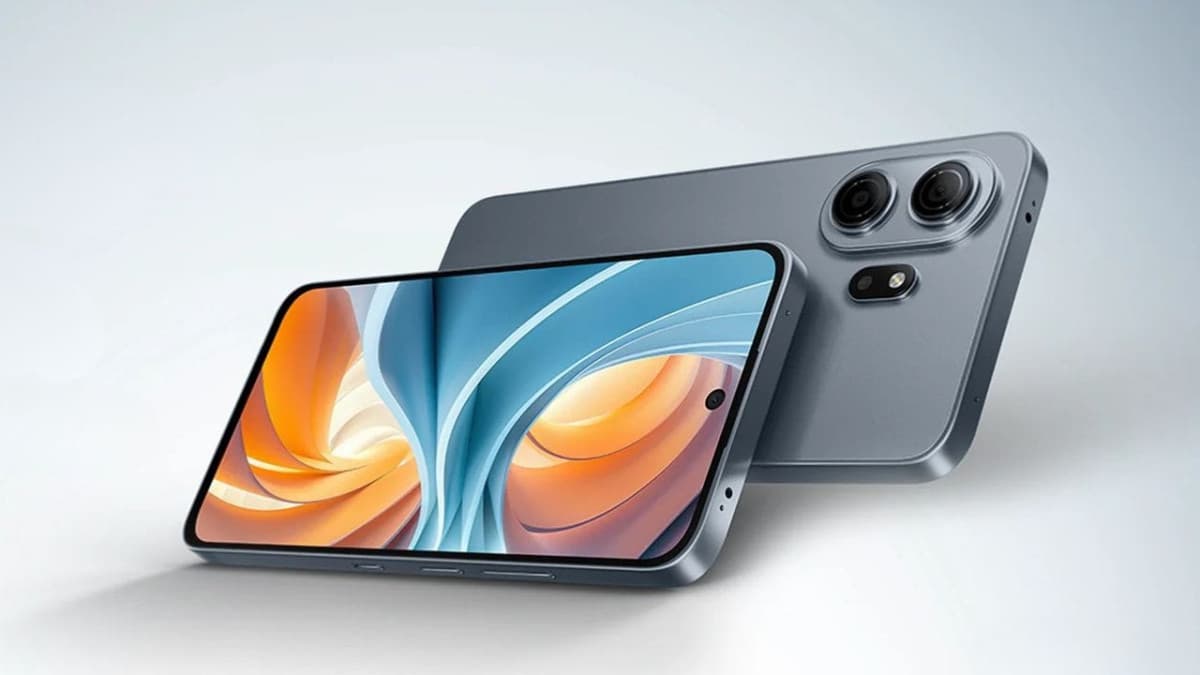
For years, TCL's NxtPaper phones asked buyers to accept a trade: a paper-like, eye-friendly screen in exchange for the washed-out contrast of an LCD panel. At IFA 2026 in Berlin, that trade ended. The new TCL P80 Ultra and P80 Pro are the first phones to combine NxtPaper technology with an AMOLED display, pairing OLED contrast and color with the matte, low-glare finish the line is known for.
What an OLED NxtPaper screen actually is
NxtPaper is TCL's stack of display treatments designed to make a phone screen easier on the eyes: a matte anti-glare layer TCL calls Nano Crystal Shield Glass, circular polarization (which also makes the screen readable through polarized sunglasses), and blue-light emission cut to 2.9%. Until now it had only been applied over LCD panels — including on the tablets and phones TCL already sells in the Philippines.
On the P80 Ultra and P80 Pro, that stack sits on top of a 6.83-inch 1.5K AMOLED with a 120Hz refresh rate, 3,200 nits of peak brightness, and full DCI-P3 color coverage. On paper, that is a flagship-grade panel wearing an e-reader's finish.
Max Ink Mode: a Kindle button on a phone
A dedicated NxtPaper button switches the phone into Max Ink Mode, which turns the display monochrome like an e-ink reader, silences app notifications apart from calls and messages, and puts background apps to sleep. TCL claims up to seven days of reading time in this mode, and preloads access to a library of over 500 books.
Ultra vs Pro: what your extra euros buy
| Spec | P80 Ultra | P80 Pro |
|---|
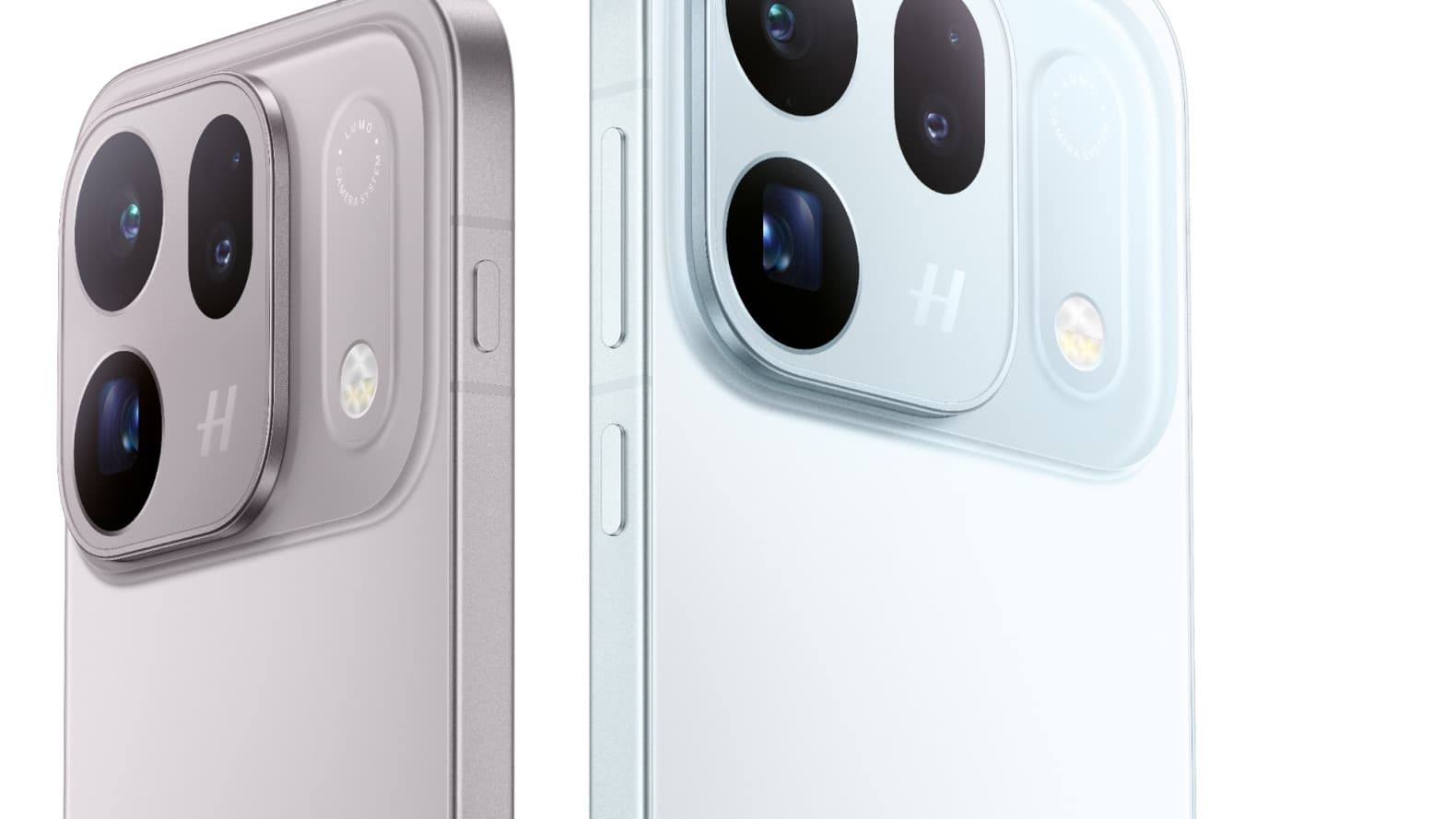
| Rear cameras | 50MP main (OIS) + 50MP 3x periscope (OIS) + 8MP ultra-wide | 50MP main (OIS) + 8MP ultra-wide |
| Selfie camera | 32MP | 32MP |
| Chipset | Dimensity 7400 Elite | Dimensity 7400 Elite |
| RAM / storage | 8GB, 256GB or 512GB | 8GB, 256GB or 512GB |
| Battery | 5,800mAh, 45W wired | 5,800mAh, 45W wired |
| Software support | 4 OS upgrades, 7 years of patches | 3 OS upgrades, 7 years of patches |
Both phones carry IP68 water and dust resistance. A standard P80 rounds out the series with the same 6.83-inch AMOLED and chipset but without the NxtPaper layer, a 5,000mAh battery, and 128GB base storage.
Pricing and availability
The P80 Ultra starts at €549 (around ₱39,900) for 256GB, with the 512GB model at €599 (around ₱43,600); it is already listed on Amazon Germany. The P80 Pro starts at €429 (around ₱31,200), and the standard P80 at €349 (around ₱25,400). Software support of seven years of security patches is unusually long for this price band.
No Philippine launch yet — but TCL has a runway here
TCL has not announced a Philippine release date or pricing for the P80 series. The honest read: nothing is confirmed for this market. What makes a local launch plausible is that TCL only just built its NxtPaper phone channel here — the NXTPAPER 70 Pro and 60 Ultra launched in the Philippines in August from ₱22,995, sold through Shopee. If the P80 series follows that same path, it would arrive as the first phone in the market to offer an e-reader mode without giving up an AMOLED panel.