Globe Telecom says thieves have hit its network 1,245 times as of September 2026 — and it now wants the national government to treat the problem as an attack on critical infrastructure. In a statement released on October 5, Globe and its tower company partners asked the National Telecommunications Commission (NTC), the Department of the Interior and Local Government (DILG), and the Philippine National Police (PNP) to mount a coordinated national response against the theft and resale of network equipment, which the company blames for service outages across the country.
1,245 theft cases and counting
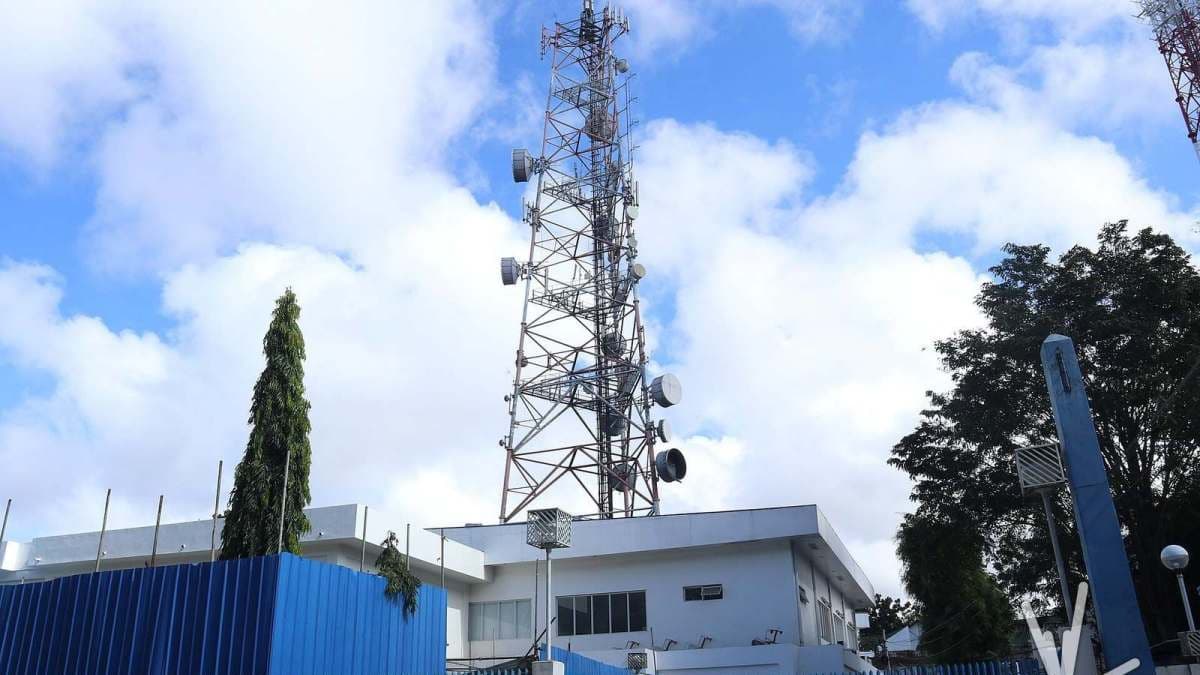
The 1,245 figure covers theft of cables and other telecommunications equipment recorded by Globe and its tower partners as of September this year. The incidents have caused service outages nationwide, cutting off communities that depend on mobile and data services for work, school, business, and emergency communication.
"This is no longer simply a matter of stolen equipment. When critical telecommunications infrastructure is damaged or taken, communities can lose connectivity," said Globe general counsel Froilan Castelo.
The Daily Tribune's report frames the thefts as a direct hit on Globe's investment plans: money meant for network expansion, service quality upgrades, and resilience is being rerouted to replacing stolen equipment and restoring damaged sites instead.
What Globe wants the government to do
Globe's appeal is for coordination, not just more arrests — prevention at the barangay level, enforcement at the national level, and coordination through the regulator, as one package. Specifically, the company asked:
- the NTC to convene telecommunications operators, tower companies, and government agencies so the response is organized industry-wide;
- the DILG and PNP to take a stronger role in preventing thefts and pursuing the people behind them;
- local government units and barangays to monitor vulnerable facilities, report suspicious activity, and verify that crews working on cell sites are actually authorized; and
- law enforcers to go after the buyers and sellers of stolen cables and network materials, using the Revised Penal Code and the Anti-Fencing Law, which makes buying or reselling stolen goods a crime in itself.
That last point matters because stolen telecom cable is rarely kept — it is sold on, often for the copper inside. Cutting off the resale market removes the reason to steal in the first place.
Why stolen cable means slower internet for everyone
When a cell site is stripped of cable or equipment, the site goes dark until crews can replace what was taken. Each restoration costs money that operators had budgeted for new coverage and faster service. Globe says the pattern is now widespread enough that it undermines investments intended to expand coverage, improve service quality, and strengthen network resilience.
For users, the arithmetic is simple: every peso spent replacing stolen equipment is a peso not spent on the network upgrades regulators and customers are demanding. The stakes scale quickly, too — Philippine telcos' combined capital spending is projected by the DICT to reach ₱153 billion in 2026, and that investment program is exactly what repeated theft quietly bleeds.
A network already under pressure
The appeal lands at a tense moment for Philippine connectivity. The NTC is already fining Globe, Smart, and DITO ₱100,000 a day over poor mobile internet quality, with enforcement widening nationwide — penalties the telcos are disputing. And the industry only just restored full service after the October 2 Philippines–Singapore subsea cable cut slowed international traffic for days.
Equipment theft adds a third drag on the same networks: regulators demanding better signal, undersea accidents cutting capacity, and now thieves physically removing the infrastructure. If the NTC takes up Globe's request, the next step would be a convening of operators, tower companies, and agencies to agree on site monitoring and enforcement — though as of the announcement, no agency had publicly committed to a timeline.